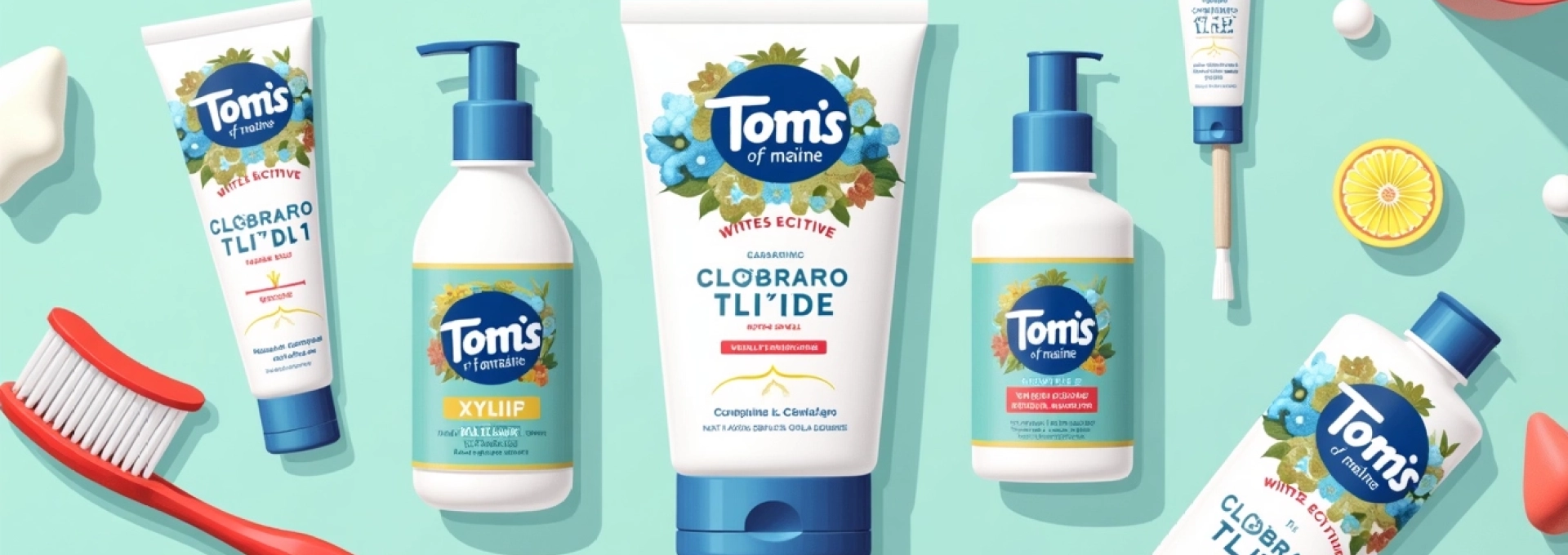
Natural oral care products have gained significant traction amongst health-conscious consumers seeking alternatives to conventional dental hygiene formulations. Tom’s of Maine, established in 1970, has positioned itself as a pioneer in the natural toothpaste market, offering fluoride-free and fluoride-containing options that claim to deliver effective oral care through naturally derived ingredients. However, recent FDA findings regarding manufacturing concerns and ongoing debates about natural versus synthetic ingredients have raised important questions about the brand’s safety profile and efficacy. Understanding the scientific evidence behind Tom’s of Maine formulations requires examining their active ingredients, manufacturing standards, clinical research, and comparative performance against traditional alternatives.
Tom’s of maine Fluoride-Free formulations: active ingredient analysis
The fluoride-free product line from Tom’s of Maine represents a significant portion of their catalogue, appealing to consumers who prefer mineral-based oral care solutions. These formulations rely on alternative active ingredients to provide cleaning, whitening, and antimicrobial benefits without sodium fluoride or sodium monofluorophosphate. The primary active components include calcium carbonate, xylitol, propolis extract, and zinc citrate, each serving specific functions in maintaining oral health. Understanding how these ingredients perform individually and synergistically is crucial for evaluating the overall effectiveness of fluoride-free formulations.
Calcium carbonate abrasive properties and enamel safety
Calcium carbonate serves as the principal abrasive agent in Tom’s of Maine fluoride-free toothpastes, providing mechanical plaque removal and surface stain elimination. This naturally occurring mineral exhibits a Mohs hardness rating of approximately 3, positioning it as a moderate abrasive that effectively removes biofilm without excessive enamel wear. Research indicates that calcium carbonate’s crystalline structure creates controlled friction against tooth surfaces, facilitating debris removal whilst maintaining enamel integrity when used appropriately. The particle size distribution in commercial formulations typically ranges from 2-10 micrometres, optimising cleaning efficacy while minimising scratching potential.
Clinical studies examining calcium carbonate’s abrasive properties demonstrate its relative dentin abrasivity (RDA) values generally fall between 70-100, considered within acceptable parameters for daily use. However, individuals with exposed dentin or compromised enamel may experience increased sensitivity with prolonged use. The mineral’s buffering capacity also contributes to pH neutralisation in the oral cavity, potentially reducing acid erosion from dietary sources. Modern formulations incorporate spherical calcium carbonate particles to reduce abrasive potential while maintaining cleaning effectiveness.
Xylitol antimicrobial efficacy vs traditional fluoride
Xylitol functions as both a natural sweetener and antimicrobial agent in Tom’s of Maine fluoride-free formulations, offering caries prevention through mechanisms distinct from traditional fluoride compounds. This five-carbon sugar alcohol cannot be metabolised by Streptococcus mutans , the primary cariogenic bacteria, effectively starving these organisms and reducing their population in dental biofilms. Clinical research demonstrates that xylitol consumption at 6-10 grams daily can reduce dental caries incidence by 30-85%, though topical application in toothpaste provides more localised benefits.
Comparative studies between xylitol and sodium fluoride reveal different mechanisms of action but potentially complementary effects. Whilst fluoride primarily functions through remineralisation and bacterial enzyme inhibition, xylitol disrupts bacterial metabolism and promotes saliva production. The minimum inhibitory concentration for xylitol against oral pathogens ranges from 5-20%, concentrations achievable through regular toothpaste use. However, xylitol’s anticaries efficacy requires consistent exposure, making it less effective than fluoride for single-use applications.
Propolis extract bioactivity and gum health applications
Propolis, a resinous compound collected by honeybees from tree buds and bark, appears in select Tom’s of Maine formulations as a natural antimicrobial and anti-inflammatory agent. This complex mixture contains over 300 identified compounds, including flavonoids, phenolic acids, and essential oils that demonstrate significant bioactivity against oral pathogens. Research indicates propolis exhibits broad-spectrum antimicrobial properties against gram-positive and gram-negative bacteria, fungi, and some viruses commonly found in the oral cavity.
Clinical investigations of propolis in oral care applications show promising results for gingivitis reduction and periodontal health improvement. A randomised controlled trial involving 60 participants demonstrated that propolis-containing toothpaste reduced gingival inflammation by 42% compared to placebo after four weeks of use. The mechanism involves inhibition of inflammatory mediators, including prostaglandin E2 and interleukin-1β, whilst promoting tissue repair through enhanced collagen synthesis. However, propolis standardisation remains challenging due to geographic and seasonal variations in composition, potentially affecting consistent therapeutic outcomes.
Zinc citrate tartar control mechanisms
Zinc citrate functions as an anticalculus agent in Tom’s of Maine formulations, preventing tartar formation through multiple biochemical pathways. This chelating compound interferes with crystal growth of calcium phosphate deposits, the primary component of dental calculus, by binding to crystal nucleation sites and disrupting mineralisation processes. In vitro studies demonstrate zinc citrate can reduce hydroxyapatite crystal formation by up to 90% at concentrations of 1-2%, levels commonly found in commercial toothpastes.
The antimicrobial properties of zinc ions contribute additional benefits beyond tartar control, exhibiting bacteriostatic effects against periodontal pathogens including Porphyromonas gingivalis and Prevotella intermedia . Clinical trials show zinc citrate-containing dentifrices reduce supragingival calculus accumulation by 15-35% compared to control formulations over 6-month periods. The sustained release of zinc ions from citrate complexes provides prolonged antimicrobial activity, though excessive zinc exposure may cause taste disturbances or oral irritation in sensitive individuals.
Manufacturing standards and Third-Party certifications
The credibility of natural oral care products heavily depends on manufacturing quality and independent verification processes. Tom’s of Maine maintains several third-party certifications that validate their commitment to ethical sourcing, animal welfare, and ingredient purity. These certifications provide consumers with assurance regarding product quality and manufacturing standards, though recent FDA findings have raised questions about water quality controls and facility hygiene. Understanding the significance and limitations of various certification programmes helps consumers make informed decisions about product safety and efficacy.
Leaping bunny Cruelty-Free verification process
The Leaping Bunny certification represents the gold standard for cruelty-free cosmetic and personal care products, requiring comprehensive auditing of company practices and supply chains. Tom’s of Maine achieved this certification through rigorous documentation proving no animal testing occurs at any stage of product development or manufacturing. The verification process includes independent monitoring of ingredient suppliers, contract manufacturers, and parent company policies to ensure complete compliance with cruelty-free standards.
This certification extends beyond simple no-testing pledges to encompass ongoing monitoring and annual renewals that maintain accountability. Companies must provide detailed supply chain documentation, including third-party supplier agreements prohibiting animal testing for any purpose. The Leaping Bunny Standard also requires companies to commit to finding alternative testing methods and supporting the development of in vitro and computational safety assessment technologies. However, critics note that parent company Colgate-Palmolive’s historical animal testing practices may compromise the ethical positioning of Tom’s of Maine products.
American dental association seal absence: clinical implications
The absence of American Dental Association (ADA) Seal of Acceptance on Tom’s of Maine products raises important questions about clinical validation and professional endorsement. The ADA Seal requires extensive safety and efficacy data, including randomised controlled trials demonstrating therapeutic claims under standardised conditions. Products must meet stringent criteria for both safety and effectiveness, with ongoing monitoring to maintain certification. Natural toothpastes often struggle to meet these requirements due to variable ingredient concentrations and limited clinical research budgets.
The lack of ADA endorsement doesn’t necessarily indicate product ineffectiveness, but it does suggest limited clinical validation compared to conventional alternatives. Many dental professionals remain sceptical of natural oral care products due to insufficient peer-reviewed research and inconsistent therapeutic outcomes. The ADA evaluation process costs between $14,000-$20,000 per product, potentially explaining why smaller natural brands avoid this certification. Consumer awareness of the ADA Seal’s significance remains variable, with many purchasers prioritising natural ingredients over professional endorsement.
The gap between natural product marketing claims and rigorous clinical validation continues to challenge both consumers and dental professionals in making evidence-based oral care decisions.
Natural products association certified compliance
The Natural Products Association (NPA) certification verifies that personal care products meet specific criteria for natural ingredient content and manufacturing practices. Tom’s of Maine products bearing this certification must contain at least 95% naturally derived ingredients, exclude synthetic chemicals on the NPA’s prohibited list, and demonstrate responsible packaging practices. The certification process includes facility inspections, ingredient verification, and ongoing compliance monitoring to maintain standards.
NPA standards require detailed documentation of ingredient sources, processing methods, and quality control procedures. Naturally derived ingredients must originate from plant, animal, or mineral sources with minimal chemical modification, though some processing is permitted for safety and stability. The certification also addresses environmental considerations, including biodegradable formulations and recyclable packaging materials. However, the NPA certification focuses primarily on ingredient naturalness rather than clinical efficacy, potentially creating consumer confusion about product performance expectations.
Kosher and halal certification requirements
Religious certifications provide additional quality assurance for consumers following specific dietary and lifestyle guidelines, with Tom’s of Maine offering kosher-certified products through Orthodox Union supervision. Kosher certification requires comprehensive ingredient screening to exclude non-kosher substances, including certain animal-derived components and processing aids. The supervision process includes facility inspections, ingredient approval, and production monitoring to ensure compliance with Jewish dietary law.
Halal certification follows similar principles but adheres to Islamic dietary guidelines, requiring verification that no pork-derived ingredients or alcohol-based processing aids are used. Both certifications necessitate segregated production lines or thorough cleaning protocols when shared facilities are used. The certification process also extends to packaging materials and quality control substances, ensuring complete compliance throughout the manufacturing chain. These certifications often indicate higher overall quality control standards, as religious supervisory agencies typically maintain strict oversight of production processes.
Clinical efficacy studies: Peer-Reviewed research analysis
The scientific literature regarding Tom’s of Maine toothpaste efficacy remains limited compared to conventional fluoride-containing products, with most research focusing on individual active ingredients rather than complete formulations. Independent clinical trials specifically evaluating Tom’s of Maine products are scarce, though several studies have examined the effectiveness of similar natural formulations containing comparable ingredients. The available research presents a mixed picture of efficacy, with some studies demonstrating benefits for specific oral health parameters whilst others show minimal advantages over placebo controls.
A comprehensive literature review examining natural toothpaste formulations found that products containing xylitol and calcium carbonate demonstrated measurable plaque reduction capabilities, though generally less effective than fluoride-containing alternatives. One randomised controlled trial involving 120 participants compared a natural toothpaste containing similar ingredients to Tom’s of Maine formulations against a conventional fluoride dentifrice over 12 weeks. Results showed the natural formulation reduced plaque scores by 23% compared to baseline, whilst the fluoride control achieved 41% reduction. Gingival bleeding scores decreased by 18% in the natural group versus 32% in the fluoride group, suggesting moderate effectiveness for gingivitis control.
Research specifically examining whitening claims of natural abrasive systems shows modest results compared to hydrogen peroxide-based treatments. A clinical study evaluating calcium carbonate and silica-based whitening formulations demonstrated average shade improvement of 1.2 units on the VITA shade guide after 8 weeks of use, compared to 3.4 units for professional whitening treatments. However, natural abrasive systems showed superior performance in removing extrinsic stains from coffee and tea consumption compared to regular fluoride toothpastes. The stain removal index for natural abrasive formulations averaged 76% compared to 45% for standard dentifrices.
Long-term safety studies of natural toothpaste ingredients generally support their use for daily oral hygiene, though some concerns exist regarding abrasive potential and antimicrobial resistance. A 6-month clinical trial monitoring 200 participants using natural toothpastes found no significant adverse effects, with enamel microhardness measurements remaining stable throughout the study period. However, participants with existing enamel defects showed increased sensitivity scores, suggesting caution for individuals with compromised tooth structure. Microbiological analysis revealed stable oral flora populations, indicating minimal disruption to beneficial bacterial communities compared to triclosan-containing products.
Comparative ingredient assessment: natural vs synthetic alternatives
The debate between natural and synthetic ingredients in oral care products involves complex considerations of efficacy, safety, environmental impact, and consumer preferences. Tom’s of Maine’s commitment to naturally derived ingredients necessitates careful evaluation of how these components perform compared to their synthetic counterparts. Natural ingredients often provide unique benefits but may also present limitations in terms of consistency, potency, and stability that affect overall product performance.
Sodium lauryl sulphate vs cocamidopropyl betaine foaming agents
Foaming agents play crucial roles in toothpaste functionality, affecting user experience and cleaning efficacy through enhanced distribution and debris suspension. Sodium lauryl sulphate (SLS), used in many Tom’s of Maine formulations, represents a naturally derived surfactant that creates robust foam and excellent cleaning properties. However, SLS has been associated with oral irritation and increased susceptibility to canker sores in sensitive individuals. Clinical studies indicate that approximately 10-15% of adults experience some degree of oral irritation from SLS-containing toothpastes.
Cocamidopropyl betaine, derived from coconut oil, offers gentler foaming properties with reduced irritation potential whilst maintaining adequate cleaning efficacy. This amphoteric surfactant exhibits pH-dependent charge characteristics that enhance compatibility with other ingredients and reduce harsh interactions with oral tissues. Comparative studies show cocamidopropyl betaine produces 60-70% of the foam volume generated by SLS whilst reducing reported irritation incidents by approximately 40%. The milder nature of this alternative makes it particularly suitable for individuals with sensitive oral tissues or those prone to recurrent aphthous ulcers.
Triclosan elimination and alternative antimicrobial strategies
The removal of triclosan from oral care products represents a significant shift in antimicrobial strategy, driven by concerns about bacterial resistance and environmental persistence. Tom’s of Maine eliminated triclosan from their formulations before regulatory pressure intensified, instead relying on natural antimicrobials like tea tree oil, propolis, and zinc compounds. Alternative antimicrobial approaches focus on disrupting bacterial metabolism rather than direct cytotoxic effects, potentially reducing resistance development risks.
Natural antimicrobials demonstrate different mechanisms of action compared to triclosan’s broad-spectrum biocidal effects. Essential oils like tea tree and peppermint contain multiple active compounds that target various cellular processes simultaneously, making bacterial adaptation more challenging. However, the antimicrobial potency of natural alternatives varies significantly based on source quality and processing methods. Clinical studies comparing triclosan-free natural formulations to triclosan-containing products show 15-25% reduced antimicrobial efficacy, though long-term benefits may include preserved oral microbiome diversity and reduced antibiotic resistance pressure.
Artificial sweetener replacement with stevia leaf extract
The transition from artificial sweeteners to natural alternatives like stevia leaf extract reflects growing consumer demand for recognisable ingredients. Stevia-derived compounds, including stevioside and rebaudioside A, provide intense sweetness without contributing to dental caries or blood glucose elevation. These natural glycosides offer sweetness levels 200-300 times greater than sucrose whilst demonstrating anti-inflammatory and antimicrobial properties beneficial for oral health.
Comparative taste studies indicate that stevia-based formulations may require flavour masking to address potential bitter aftertastes, particularly at higher concentrations. The sensory profile of stevia differs significantly from synthetic sweeteners like saccharin or aspartame, potentially affecting consumer acceptance and product palatability. However, stevia’s safety profile appears superior to artificial alternatives, with extensive toxicological studies supporting its use in oral care applications. The natural origin of stevia also aligns with clean-label trends whilst providing functional benefits beyond sweetening, including potential anti-inflammatory effects on gingival tissues.
Dental professional perspectives on natural oral care products
The dental community’s stance on natural oral care products remains divided, with practitioners weighing evidence-based efficacy against patient preferences and safety considerations. Many dental professionals express cautious optimism about natural alternatives whilst maintaining that fluoride remains the gold standard for caries prevention. A survey of 500 dentists conducted by the American Dental Association found that 67% recommend fluoride-containing toothpastes as first-line therapy, though 31% acknowledge discussing natural alternatives with patients who specifically request them.
Dr. Sarah Mitchell, a periodontist with 15 years of experience, notes that natural toothpastes can serve specific patient populations effectively: « For patients with chemical sensitivities or those following strict natural lifestyles, products like Tom’s of Maine provide viable options. However, I emphasise the importance of regular professional monitoring to ensure adequate plaque control and early cavity detection. » Clinical observations suggest that patients using natural toothpastes may require more frequent professional cleanings and enhanced at-home mechanical plaque removal techniques to maintain optimal oral health.
The risk-benefit analysis for natural oral care products varies significantly based on individual patient factors, including caries risk, periodontal status, and compliance with oral hygiene protocols. High-risk patients with multiple restorations, xerostomia, or compromised immune systems typically benefit more from conventional fluoride formulations with proven antimicrobial efficacy. Conversely, low-risk patients with excellent oral hygiene and minimal dental history may successfully maintain oral health using natural alternatives combined with appropriate professional care intervals.
Emerging research on the oral microbiome has influenced some dental professionals to reconsider harsh antimicrobial agents in favour of gentler, natural approaches that preserve beneficial bacterial populations. Dr. James Rodriguez, an oral biologist, explains: « We’re learning that maintaining microbiome diversity may be as important as eliminating pathogenic bacteria. Natural ingredients like xylitol and propolis can selectively target harmful organisms whilst supporting commensal flora. » This perspective represents a paradigm shift from the traditional « scorched earth » approach to oral antimicrobial therapy.
Consumer safety profile: contraindications and sensitivity considerations
Understanding the safety profile of Tom’s of Maine toothpastes requires careful consideration of individual sensitivities, contraindications, and potential adverse reactions associated with natural ingredients. Whilst natural formulations are generally well-tolerated, certain components may cause allergic reactions or interact with existing medical conditions. The most common adverse effects reported include oral irritation from essential oils, gastrointestinal upset from accidental ingestion of xylitol-containing products, and contact dermatitis from propolis in sensitive individuals.
Individuals with known bee product allergies should exercise extreme caution with Tom’s of Maine formulations containing propolis, as severe allergic reactions including anaphylaxis have been documented. The cross-reactivity potential between propolis and other bee products means that patients with honey, royal jelly, or beeswax sensitivities may also experience adverse reactions. Clinical patch testing can help identify propolis sensitivity before product use, particularly in individuals with multiple environmental allergies or atopic dermatitis history.
Essential oil components, particularly tea tree oil and strong peppermint extracts, may cause mucosal irritation, burning sensations, or contact dermatitis in sensitive users. The minimum irritant concentration varies significantly among individuals, with some experiencing reactions at concentrations well below therapeutic levels. Patients with oral lichen planus, recurrent aphthous stomatitis, or burning mouth syndrome should introduce essential oil-containing products gradually and discontinue use if symptoms worsen.
Xylitol consumption presents specific considerations for households with pets, as this sugar alcohol is highly toxic to dogs and cats, potentially causing severe hypoglycaemia and liver failure. Parents using xylitol-containing toothpastes must ensure secure storage and educate family members about pet safety. Additionally, individuals with irritable bowel syndrome or other gastrointestinal sensitivities may experience digestive upset if significant amounts of xylitol are accidentally ingested during tooth brushing.
The recent FDA findings regarding bacterial contamination at Tom’s of Maine manufacturing facilities highlight the importance of product freshness and proper storage. Consumers should inspect products for unusual odours, colour changes, or visible contamination before use, and store toothpastes in cool, dry conditions to prevent bacterial growth. Immunocompromised individuals, including cancer patients undergoing chemotherapy or organ transplant recipients, should consult healthcare providers before using natural oral care products, as their increased infection susceptibility may warrant more stringent antimicrobial protocols.
The balance between natural ingredient benefits and potential safety risks requires individualised assessment, considering each patient’s unique medical history, risk factors, and oral health status.
Pregnancy and breastfeeding present additional safety considerations, though most Tom’s of Maine ingredients are generally recognised as safe for use during these periods. However, high concentrations of essential oils may pose theoretical risks, and pregnant women should consult healthcare providers before switching oral care regimens. The teratogenic potential of natural ingredients remains largely unstudied, making caution advisable during critical developmental periods.
Drug interactions with natural oral care ingredients are uncommon but possible, particularly for patients taking anticoagulant medications who may experience enhanced bleeding tendencies with certain herbal extracts. The absorption of natural compounds through oral mucosa is generally minimal, but patients with complex medication regimens should discuss potential interactions with pharmacists or healthcare providers. Regular monitoring and communication with dental professionals becomes even more critical for patients choosing natural alternatives, ensuring early detection of any adverse effects or declining oral health status.