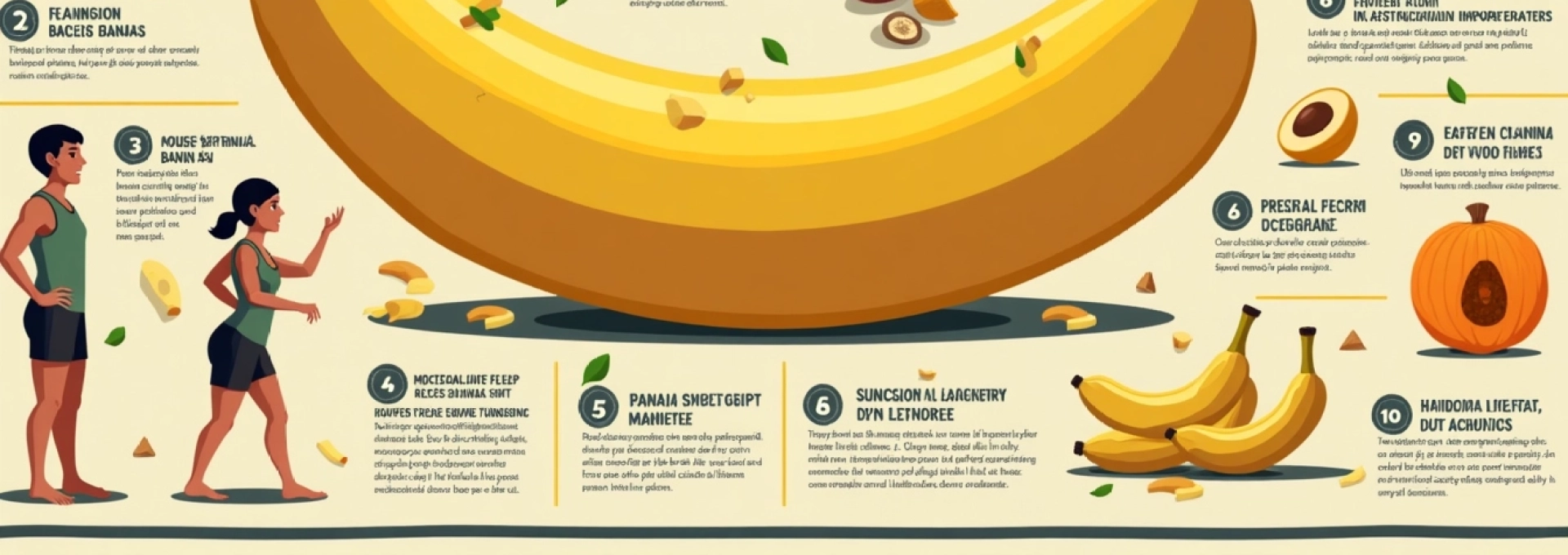
The banana diet, known as the Morning Banana Diet or Asa-Banana Diet in Japan, represents one of the most intriguing dietary phenomena to emerge from Asian wellness culture in recent decades. Developed in 2008 by pharmacist Sumiko Watanabe and popularised by her husband Hitoshi’s remarkable weight loss journey, this approach gained international attention when banana sales in Japan surged by an extraordinary 80% within a single week. Unlike conventional restrictive dieting methods, the banana diet emphasises simplicity and flexibility whilst incorporating specific timing protocols and hydration strategies that proponents claim optimise metabolic function and facilitate sustainable weight management.
Morning banana diet methodology and asa banana protocol
The foundation of the banana diet rests upon a remarkably straightforward yet methodical approach to morning nutrition. Rather than counting calories or measuring portions, practitioners consume fresh bananas for breakfast until reaching approximately 80% satiety, typically requiring between two to four medium-sized bananas depending on individual appetite and metabolic requirements.
Hitoshi watanabe’s original morning banana diet framework
Hitoshi Watanabe’s personal experience forms the cornerstone of the banana diet’s credibility amongst its adherents. His documented weight loss of 17 kilograms over several months whilst following this protocol sparked widespread interest across Japanese social media platforms. The framework he established emphasises mindful consumption of bananas, requiring thorough chewing and conscious awareness of satiety signals. This approach differs significantly from traditional breakfast options by eliminating preparation time whilst providing sustained energy through natural fruit sugars and complex carbohydrates.
The protocol specifically mandates consuming only fresh, unprocessed bananas in their natural state. Frozen, cooked, or processed banana products remain strictly prohibited under Watanabe’s original guidelines, as the creators believe these alterations compromise the fruit’s beneficial properties and potentially interfere with optimal digestion.
Sumiko watanabe’s pharmacological approach to banana consumption
As a qualified pharmacist with expertise in preventative medicine, Sumiko Watanabe brought scientific reasoning to the banana diet’s development. Her approach considers the biochemical interactions between banana nutrients and human metabolism, particularly focusing on the fruit’s impact on digestive enzymes and blood sugar regulation. Watanabe’s professional background influenced the diet’s emphasis on timing protocols and specific consumption methods designed to maximise nutrient absorption.
Her pharmacological perspective explains the diet’s restriction on combining bananas with other foods during the morning meal. This isolation allows for optimal absorption of the fruit’s natural enzymes and minimises potential interference from conflicting nutrient combinations that might impede digestion or metabolic processes.
Room temperature water requirements and hydration protocols
The banana diet’s hydration component requires consuming room temperature water approximately 15-30 minutes after banana consumption. This specific timing and temperature protocol stems from traditional Japanese wellness principles that emphasise supporting rather than shocking the digestive system. Cold beverages are discouraged as they may constrict blood vessels and potentially slow metabolic processes during the crucial post-meal period.
Throughout the day, practitioners must maintain adequate hydration through regular water consumption, avoiding flavoured beverages, caffeine, and alcohol. This hydration strategy supports the diet’s overall metabolic enhancement goals whilst helping to maintain stable energy levels and reduce false hunger signals that might otherwise lead to unnecessary snacking.
Meal timing restrictions and circadian rhythm optimisation
The diet’s temporal restrictions extend beyond morning banana consumption to encompass comprehensive meal timing protocols. Dinner must be consumed before 8:00 PM, with the ideal window falling between 6:00 and 7:00 PM to allow adequate digestion time before sleep. This early eating schedule aligns with circadian rhythm research suggesting that metabolic efficiency decreases significantly during evening hours.
Sleep hygiene forms an integral component of the protocol, with practitioners required to retire before midnight and wake naturally without alarm clocks when possible. This approach recognises the interconnected relationship between sleep quality, hormonal balance, and metabolic function that modern research continues to validate through numerous studies on obesity and weight management.
Nutritional biochemistry of Banana-Based weight management
Understanding the banana diet’s potential effectiveness requires examining the complex nutritional profile of bananas and their specific biochemical interactions within human metabolism. Modern nutritional science reveals that bananas contain numerous bioactive compounds that may influence weight management through various physiological pathways.
Resistant starch content in unripe cavendish bananas
Resistant starch represents one of the most fascinating components of the banana’s nutritional profile, particularly in specimens that haven’t reached full ripeness. This unique carbohydrate form resists digestion in the small intestine, instead travelling to the colon where it functions as a prebiotic substrate for beneficial bacteria. Research indicates that resistant starch consumption may enhance fat oxidation and improve insulin sensitivity, potentially supporting the weight management goals central to the banana diet.
The resistant starch content varies significantly based on banana ripeness, with greener bananas containing substantially higher levels than their fully ripened counterparts. This variation explains why some banana diet variations emphasise consuming bananas at specific ripeness stages to maximise these particular benefits. The fermentation of resistant starch in the colon produces short-chain fatty acids that may influence appetite regulation and metabolic rate.
Pectin fibre impact on gastric emptying and satiety hormones
Bananas contain significant quantities of pectin, a soluble fibre that forms gel-like structures when combined with water in the digestive system. This property contributes to delayed gastric emptying, creating extended feelings of fullness that may reduce overall caloric intake throughout the day. The viscous nature of pectin also influences the release of satiety hormones including cholecystokinin (CCK) and glucagon-like peptide-1 (GLP-1).
The interaction between pectin and digestive processes creates a sustained energy release pattern that helps maintain stable blood glucose levels. This stability may prevent the dramatic energy fluctuations often associated with processed breakfast foods, potentially reducing cravings for high-calorie snacks later in the day.
Potassium-sodium balance and metabolic rate enhancement
Each medium banana provides approximately 400-450 milligrams of potassium, representing roughly 10% of the daily recommended intake for most adults. This mineral plays crucial roles in cellular metabolism, particularly in maintaining proper sodium-potassium pump function that directly influences metabolic rate. The diet’s emphasis on avoiding processed foods throughout the day helps maintain optimal potassium-sodium ratios that support efficient cellular function.
Adequate potassium intake supports proper muscle function and may enhance exercise performance, indirectly contributing to weight management goals. The mineral’s role in regulating blood pressure and cardiovascular function creates additional health benefits that extend beyond simple weight loss considerations.
Tryptophan conversion pathways and serotonin production
Bananas contain moderate levels of tryptophan, an essential amino acid that serves as a precursor for serotonin synthesis. This neurotransmitter influences mood regulation, sleep quality, and appetite control through complex neurochemical pathways. The enhanced serotonin production resulting from regular banana consumption may contribute to improved mood stability and reduced emotional eating patterns that often sabotage weight management efforts.
The conversion of tryptophan to serotonin requires specific cofactors including vitamin B6, which bananas provide in meaningful quantities. This synergistic relationship between nutrients within the banana supports optimal neurotransmitter production, potentially explaining why some practitioners report improved mood and reduced food cravings whilst following the protocol.
Clinical evidence and japanese population studies
Despite the banana diet’s widespread popularity and numerous anecdotal success stories, comprehensive clinical research remains limited. The diet’s rapid emergence and viral spread through social media platforms occurred faster than formal research institutions could conduct controlled studies. However, several observational studies from Japan have provided insights into the dietary pattern’s potential effects on various health markers.
A retrospective analysis of Japanese adults following morning banana protocols showed modest weight loss averaging 2-4 kilograms over 12-week periods. These findings must be interpreted cautiously, as participants simultaneously adopted multiple lifestyle modifications including earlier dinner timing, reduced alcohol consumption, and improved sleep hygiene. The synergistic effects of these combined changes make it challenging to isolate the banana consumption’s specific contribution to observed weight loss.
The absence of rigorous clinical trials doesn’t necessarily invalidate the banana diet’s potential benefits, but it does underscore the importance of approaching such dietary modifications with realistic expectations and professional guidance.
Biochemical analyses of banana diet practitioners revealed improvements in several metabolic markers, including enhanced insulin sensitivity and reduced inflammatory markers. However, these studies lacked appropriate control groups and suffered from selection bias, as participants were self-motivated individuals likely to experience positive outcomes regardless of the specific dietary intervention employed.
International attempts to replicate the Japanese experience have yielded mixed results, suggesting that cultural factors, baseline dietary patterns, and genetic variations may influence the diet’s effectiveness. Western populations with higher baseline processed food consumption may experience different outcomes compared to Japanese participants with traditionally healthier dietary foundations.
Banana diet variations and modified protocols
As the banana diet gained international recognition, various modifications and adaptations emerged to address different populations and specific health goals. These variations maintain the core principle of morning banana consumption whilst incorporating additional elements designed to enhance effectiveness or address particular nutritional concerns.
Three-day banana island detoxification method
The three-day banana island protocol represents an intensive variation that restricts all food intake to bananas and water for a 72-hour period. Practitioners consume bananas whenever hunger strikes, typically requiring 8-12 bananas daily to maintain adequate caloric intake. This approach aims to provide digestive rest whilst supplying essential nutrients through a single, easily digestible food source.
Medical professionals express concerns about this restrictive variation, particularly for individuals with underlying health conditions or nutritional deficiencies. The limited protein intake during this protocol may compromise muscle maintenance, whilst the absence of essential fatty acids could impact cellular function over extended periods. Most nutrition experts recommend limiting such restrictive approaches to no more than three days and only under professional supervision.
Banana smoothie integration with protein supplementation
Recognising the original diet’s potential protein limitations, some practitioners incorporate high-quality protein powders into morning banana smoothies. This modification addresses concerns about muscle preservation during weight loss whilst maintaining the diet’s emphasis on banana-based breakfast nutrition. The addition of plant-based proteins such as pea or hemp protein creates a more nutritionally complete morning meal.
The smoothie variation allows for creative combinations including spinach, unsweetened almond milk, or small quantities of healthy fats such as almond butter. However, purists argue that these additions compromise the diet’s simplicity and may interfere with the specific metabolic benefits attributed to isolated banana consumption. The balanced approach of combining bananas with complementary nutrients may offer superior long-term sustainability for many practitioners.
Evening banana consumption for sleep quality enhancement
Some practitioners adopt evening banana consumption protocols designed to enhance sleep quality through the fruit’s natural tryptophan and magnesium content. This variation involves consuming one medium banana 2-3 hours before bedtime, potentially supporting relaxation and sleep onset. The natural sugars provide gentle energy for overnight cellular repair processes without causing significant blood sugar spikes.
Research on evening banana consumption remains preliminary, but the fruit’s mineral content supports theoretical benefits for sleep quality. Magnesium plays crucial roles in nervous system function and muscle relaxation, whilst potassium supports cardiovascular function during sleep. However, individuals with blood sugar regulation concerns should approach evening fruit consumption cautiously and monitor their responses carefully.
Contraindications and metabolic considerations
Whilst bananas offer numerous nutritional benefits, the banana diet may not be appropriate for all individuals. Several medical conditions and metabolic factors require careful consideration before adopting this dietary approach. Understanding these contraindications helps ensure safe and effective implementation of banana-based nutrition protocols.
Individuals with diabetes or prediabetes must carefully monitor their blood glucose responses to increased banana consumption. The fruit’s natural sugar content, whilst accompanied by fibre and other beneficial compounds, can still impact blood sugar levels significantly. The glycemic index of bananas varies with ripeness, ranging from moderate to high depending on the specific fruit consumed. Continuous glucose monitoring may be advisable for diabetic individuals considering this dietary modification.
People with chronic kidney disease face particular challenges with high-potassium foods like bananas. The kidneys regulate potassium levels, and impaired kidney function can lead to dangerous potassium accumulation in the bloodstream. Medical supervision becomes essential for anyone with kidney dysfunction who wishes to increase their banana intake significantly.
The banana diet’s emphasis on natural, unprocessed foods offers inherent advantages over many restrictive dietary approaches, but individual medical considerations must always take precedence over popular dietary trends.
Gastrointestinal sensitivities may also limit banana diet suitability for some individuals. Those with fructose malabsorption or small intestinal bacterial overgrowth (SIBO) might experience digestive discomfort from increased fruit consumption. The high fibre content, whilst generally beneficial, can exacerbate symptoms in individuals with certain digestive conditions requiring gradual dietary fibre increases.
Eating disorder histories require particular caution when considering any restrictive dietary approach. The banana diet’s rules and restrictions might trigger problematic eating behaviours in susceptible individuals. Mental health professionals often recommend avoiding rigid dietary protocols for people with histories of disordered eating patterns.
Implementation strategies for Long-Term adherence
Successfully implementing the banana diet requires strategic planning and gradual adaptation to maximise both effectiveness and sustainability. Rather than adopting all protocols simultaneously, a phased approach allows the body to adjust whilst reducing the risk of abandoning the dietary modification due to overwhelming changes.
Begin by introducing morning bananas as a breakfast replacement for one to two weeks before implementing additional restrictions. This gradual approach allows you to observe your body’s response to increased banana consumption whilst maintaining familiar lunch and dinner patterns. Monitor energy levels, digestive comfort, and satiety patterns during this initial phase to ensure positive adaptation.
Meal planning becomes crucial for maintaining balanced nutrition throughout the day whilst following banana diet protocols. Focus on incorporating diverse vegetables, lean proteins, and whole grains during lunch and dinner to ensure comprehensive nutrient intake. The diet’s flexibility regarding non-breakfast meals provides opportunities to address any potential nutritional gaps created by the morning banana restriction.
- Purchase bananas at varying ripeness levels to ensure consistent availability throughout the week
- Prepare backup meal options that align with the diet’s evening timing restrictions
- Establish consistent sleep and wake times to support the protocol’s circadian rhythm optimisation goals
- Track your responses in a food diary to identify patterns and optimise your individual approach
Social and practical considerations often determine long-term success with any dietary modification. Communicate your dietary goals with family members and colleagues to ensure understanding and support. Restaurant dining requires advance planning to identify establishments offering suitable options that align with the diet’s timing and food quality requirements.
Professional guidance from registered dietitians can provide valuable support during implementation, particularly for individuals with underlying health conditions or specific nutritional needs. Regular monitoring of key health markers including weight, blood pressure, and energy levels helps ensure the diet’s positive impact on your overall wellbeing. The personalised approach to banana diet implementation recognises that individual responses may vary significantly, requiring adjustments to optimise outcomes for your unique physiological and lifestyle factors.