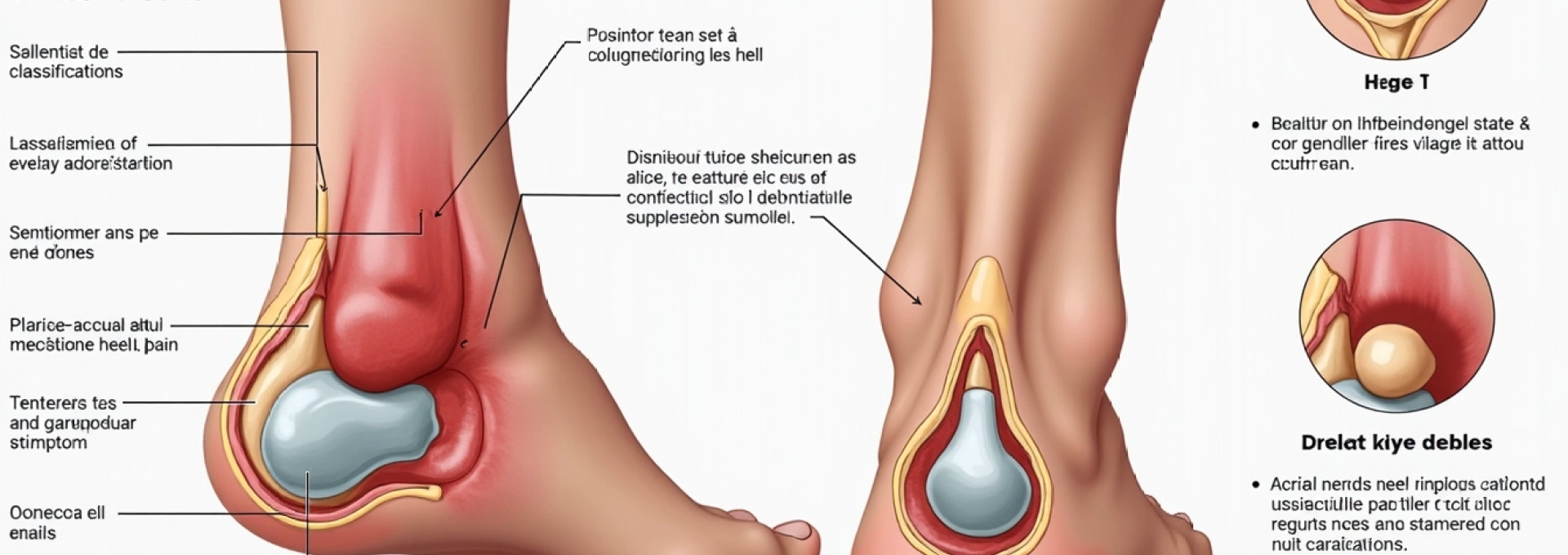
A sudden, sharp pain in your heel following a fall or traumatic impact can leave you wondering whether you’ve sustained a serious injury. The calcaneus, or heel bone, is the largest bone in your foot and bears the full weight of your body with every step. When this robust structure becomes compromised through fracture, the consequences can be severe and long-lasting. Understanding the distinctive symptoms of a calcaneal fracture versus other heel injuries is crucial for seeking appropriate medical attention and preventing potential complications such as chronic pain , arthritis, and permanent disability.
Heel bone fractures represent some of the most challenging orthopaedic injuries to diagnose and treat effectively. Unlike simple stress fractures or soft tissue injuries, calcaneal fractures often involve complex damage to joint surfaces, surrounding ligaments, and the intricate biomechanical structure of the foot. The severity of symptoms can vary dramatically depending on the mechanism of injury, the extent of bone displacement, and whether the fracture extends into joint spaces.
Calcaneal fracture classification and anatomical structure
The calcaneus functions as the foundation of the rear foot, connecting with both the talus bone above and the cuboid bone in front to form essential joints for normal foot function. This complex anatomical arrangement means that calcaneal fractures rarely occur in isolation, often involving multiple bone fragments and joint surfaces simultaneously. The bone itself has been compared to a hard-boiled egg, with a thin, dense outer cortex surrounding softer, more porous cancellous bone within.
Intra-articular vs extra-articular calcaneal fractures
The most critical distinction in calcaneal fracture classification involves whether the break extends into joint surfaces. Intra-articular fractures penetrate the subtalar joint, which forms the crucial connection between the calcaneus and talus bones. These injuries typically result from high-energy trauma such as falls from significant heights or motor vehicle accidents, where the heel bone becomes crushed and fragmented.
Extra-articular fractures, whilst still serious, do not involve joint surfaces and generally have more favourable outcomes. These may include stress fractures from repetitive loading, avulsion fractures where tendons or ligaments pull bone fragments away, or peripheral fractures that don’t compromise the central weight-bearing portion of the heel bone.
Sanders classification system for heel bone injuries
The Sanders classification system provides a standardised method for categorising intra-articular calcaneal fractures based on the number and location of fracture lines visible on coronal CT imaging. Type I fractures are non-displaced, whilst Types II through IV represent increasingly complex patterns with multiple fracture fragments. This classification directly correlates with treatment decisions and long-term prognosis, with Type IV fractures often requiring complex reconstructive surgery or even joint fusion procedures.
Sustentaculum tali and posterior facet involvement
The sustentaculum tali represents a crucial shelf-like projection of the calcaneus that supports the talus bone and maintains the medial longitudinal arch of the foot. Fractures involving this structure can significantly impact foot biomechanics and weight distribution. Similarly, damage to the posterior facet of the subtalar joint, which bears the majority of weight during standing and walking, often leads to post-traumatic arthritis and chronic functional limitations.
Bohler’s angle and gissane’s angle measurements
Radiographic measurements play a vital role in assessing the severity of calcaneal fractures and planning treatment approaches. Bohler’s angle, normally measuring between 20-40 degrees, often becomes decreased or even negative in significant calcaneal fractures, indicating collapse of the heel bone architecture. Gissane’s angle, or the critical angle of Gissane, typically ranges from 120-145 degrees and helps identify fractures involving the posterior facet of the subtalar joint.
Primary clinical signs of calcaneal fracture
Recognising the hallmark symptoms of a calcaneal fracture requires understanding how these injuries differ from other common heel problems such as plantar fasciitis, Achilles tendinopathy, or simple bruising. The presentation of a fractured heel bone is typically dramatic and unmistakable, particularly following high-energy trauma.
Heel pain intensity and weight-bearing inability
The pain associated with a calcaneal fracture is characteristically severe and immediate, often described as crushing or throbbing in nature. Unlike the gradual onset pain of overuse injuries , fracture pain typically reaches maximum intensity within minutes of the traumatic event. Most patients with significant calcaneal fractures find it impossible to bear weight on the affected foot, even for brief periods.
This inability to weight-bear distinguishes calcaneal fractures from stress fractures or minor heel injuries, where some degree of function may be preserved initially. The pain often extends beyond the heel itself, radiating into the ankle, midfoot, and sometimes up the leg due to altered biomechanics and muscle spasm.
Lateral heel swelling and bruising patterns
Distinctive swelling patterns often develop within hours of a calcaneal fracture, with particular prominence along the lateral (outer) aspect of the heel. This lateral heel swelling results from haematoma formation and tissue damage associated with the fracture. The swelling may be so severe that it obscures normal anatomical landmarks and makes wearing shoes impossible.
Bruising patterns in calcaneal fractures often follow predictable distributions, with ecchymosis (bruising) appearing first around the heel and subsequently extending towards the ankle and midfoot. A characteristic finding is bruising that extends plantar to the heel and along the medial arch, indicating significant soft tissue disruption and possible involvement of the sustentaculum tali.
Tenderness over calcaneal tuberosity
Physical examination reveals exquisite tenderness over the calcaneal tuberosity, the prominent posterior portion of the heel bone where the Achilles tendon attaches. This tenderness is typically more severe and localised compared to other heel conditions. Gentle palpation along the medial and lateral borders of the heel often elicits sharp pain, particularly if fracture lines extend to these areas.
The tenderness associated with calcaneal fractures extends beyond simple pressure sensitivity, often involving deep, aching pain that persists even at rest. This contrasts with conditions like plantar fasciitis, where pain is typically most severe with initial weight-bearing after periods of rest.
Altered heel shape and widening deformity
Significant calcaneal fractures often result in visible deformity of the heel shape, with the heel appearing wider and shorter than the uninjured side. This widening deformity occurs due to collapse and lateral displacement of fracture fragments, fundamentally altering the normal architecture of the heel bone. The heel may lose its normal height, creating a flattened appearance when viewed from the side.
These shape changes are not merely cosmetic concerns but represent underlying structural damage that can have long-lasting functional implications. The altered heel geometry affects the subtalar joint mechanics and can lead to difficulties with shoe fitting, walking on uneven surfaces, and maintaining normal foot biomechanics during daily activities.
Secondary symptoms and neurological complications
Beyond the immediate symptoms of pain, swelling, and deformity, calcaneal fractures can produce a range of secondary complications that may not become apparent until hours or days after the initial injury. These secondary symptoms often provide important clues about the severity of the fracture and the extent of associated soft tissue damage.
Plantar fascia tension and arch pain
The plantar fascia, a thick band of tissue that supports the arch of the foot, maintains intimate connections with the calcaneus through its attachment at the medial calcaneal tuberosity. Calcaneal fractures can significantly alter the tension and alignment of the plantar fascia, leading to secondary arch pain and midfoot discomfort. This pain may persist long after the initial fracture pain subsides and can contribute to chronic functional limitations.
Changes in heel bone geometry following fracture can create abnormal stress patterns along the plantar fascia, potentially leading to secondary plantar fasciitis or even plantar fascia rupture in severe cases. Patients may experience sharp, stabbing pain along the arch of the foot, particularly when attempting to stretch the foot or take first steps after periods of rest.
Sural nerve entrapment symptoms
The sural nerve, which provides sensation to the lateral border of the foot, can become entrapped or damaged during calcaneal fractures, particularly those involving lateral displacement of fracture fragments. Symptoms of sural nerve involvement include numbness, tingling, or burning sensations along the outer edge of the foot and into the little toe.
This neurological complication may develop immediately following the fracture or emerge gradually as swelling and scar tissue formation progress. Nerve entrapment symptoms can significantly impact quality of life and may require specific treatment approaches, including nerve decompression surgery in severe cases.
Achilles tendon shortening and stiffness
The Achilles tendon’s attachment to the posterior calcaneus means that calcaneal fractures can significantly affect tendon function and length. Collapse of the heel bone can create relative shortening of the Achilles tendon, leading to increased stiffness and reduced ankle dorsiflexion range of motion. This limitation can persist long after fracture healing and may contribute to altered gait patterns.
Patients may notice difficulty with activities requiring ankle flexibility, such as squatting, walking uphill, or climbing stairs. The combination of heel bone deformity and Achilles tendon tightness can create a complex biomechanical problem that requires comprehensive rehabilitation to address effectively.
Compartment syndrome warning signs
Compartment syndrome represents a serious complication that can develop following calcaneal fractures, particularly those associated with significant swelling and soft tissue damage. The foot contains multiple compartments bounded by fascia, and increased pressure within these compartments can compromise blood flow and nerve function.
Warning signs of compartment syndrome include severe pain that seems disproportionate to the injury, pain that worsens with passive stretching of muscles, numbness or tingling in the toes, and a feeling of tightness or pressure in the foot. This condition constitutes a surgical emergency requiring immediate fasciotomy to prevent permanent damage to muscles, nerves, and other soft tissues.
Clinical assessment techniques and physical examination
Proper assessment of a suspected calcaneal fracture requires systematic clinical evaluation combining careful history-taking, thorough physical examination, and appropriate imaging studies. The mechanism of injury provides crucial information about the likely severity and pattern of fracture, with high-energy trauma such as falls from height or motor vehicle accidents suggesting more complex injuries requiring urgent specialist evaluation.
During physical examination, healthcare providers assess multiple parameters including the overall appearance of the foot and ankle, presence and extent of swelling and bruising, ability to bear weight, range of motion limitations, and neurovascular status. The classic « squeeze test » involves gentle compression of the heel from both sides, which typically produces significant pain in the presence of a calcaneal fracture.
Imaging assessment begins with plain radiographs in multiple projections, including lateral, axial, and oblique views of the foot. However, the complex three-dimensional anatomy of the calcaneus often requires computed tomography (CT) scanning for definitive diagnosis and surgical planning. CT imaging provides detailed information about fracture patterns, joint involvement, and the degree of bone fragment displacement.
Advanced imaging techniques have revolutionised the diagnosis and treatment planning for calcaneal fractures, allowing surgeons to visualise complex three-dimensional fracture patterns and plan surgical approaches with unprecedented precision.
Additional assessment may include evaluation for associated injuries, as calcaneal fractures frequently occur alongside other traumatic injuries. Studies indicate that approximately 10% of patients with calcaneal fractures have associated spinal compression fractures, whilst bilateral calcaneal fractures occur in roughly 5-10% of cases following falls from significant heights.
Differential diagnosis from similar heel injuries
Distinguishing calcaneal fractures from other heel injuries requires careful consideration of symptom patterns, mechanism of injury, and clinical findings. Several conditions can present with similar heel pain and must be systematically excluded through appropriate assessment and investigation.
Achilles tendon rupture represents one of the most important differential diagnoses, particularly in middle-aged athletes or individuals with predisposing factors such as fluoroquinolone antibiotic use or corticosteroid injections. Unlike calcaneal fractures, Achilles rupture typically presents with a characteristic « pop » sensation, visible gap in the tendon, and positive Thompson test (absence of plantar flexion when the calf is squeezed).
Severe ankle sprains can occasionally mimic calcaneal fractures, particularly when associated with significant swelling and inability to bear weight. However, ankle sprains typically involve lateral ankle ligaments and present with tenderness over the lateral malleolus and anterior talofibular ligament, rather than the heel bone itself.
Plantar fascia rupture can produce sudden, severe heel pain but typically follows a period of chronic plantar fasciitis symptoms and occurs during activities involving forceful push-off or sudden dorsiflexion of the foot. The pain distribution differs from calcaneal fractures, being more localised to the plantar aspect of the heel and medial arch region.
Accurate differential diagnosis becomes particularly challenging in cases where multiple injuries coexist, requiring comprehensive clinical assessment and appropriate imaging to ensure no significant injuries are overlooked.
Fat pad atrophy or contusion can cause heel pain following trauma but typically lacks the severity and characteristic features of calcaneal fractures. These conditions usually allow some degree of weight-bearing and do not produce the dramatic swelling and deformity associated with bone fractures.
Immediate care protocols and when to seek emergency treatment
Immediate management of suspected calcaneal fractures focuses on pain control, immobilisation, and prevention of further injury whilst arranging appropriate specialist evaluation. The RICE protocol (Rest, Ice, Compression, Elevation) forms the foundation of initial care, though modifications may be necessary based on injury severity and associated complications.
Rest involves complete avoidance of weight-bearing on the affected foot, typically requiring crutches or other mobility aids. Ice application should be performed carefully, using a barrier such as a towel to prevent direct skin contact and limiting sessions to 15-20 minutes to avoid tissue damage. Compression should be gentle and adjustable, as excessive compression can compromise circulation in the presence of significant swelling.
Elevation of the injured foot above heart level helps reduce swelling and pain, though this may be challenging to maintain consistently. Temporary immobilisation using a well-padded splint or removable boot can provide comfort and prevent further displacement of fracture fragments during transport to medical facilities.
Certain situations require immediate emergency medical attention rather than delayed specialist referral. These include open fractures where bone fragments penetrate the skin, signs of compartment syndrome such as severe pain with passive toe movement, evidence of neurovascular compromise with absent pulses or numbness, and injuries associated with other traumatic conditions requiring urgent assessment.
The decision between emergency department evaluation and urgent orthopaedic referral depends on multiple factors including injury severity, associated complications, and local healthcare resources and protocols.
Pain management in the acute phase may require prescription analgesics, as over-the-counter medications are often insufficient for the severe pain associated with calcaneal fractures. However, patients should be aware that narcotic pain medications can mask important symptoms and should be used judiciously under medical supervision.
Early specialist evaluation, preferably by an orthopaedic surgeon with expertise in foot and ankle trauma, is essential for optimal outcomes. Even when immediate surgery is not required, prompt assessment allows for appropriate imaging, pain management, and development of a comprehensive treatment plan. Delays in diagnosis and treatment can result in complications such as malunion, chronic pain, and permanent functional limitations that significantly impact quality of life and return to normal activities.