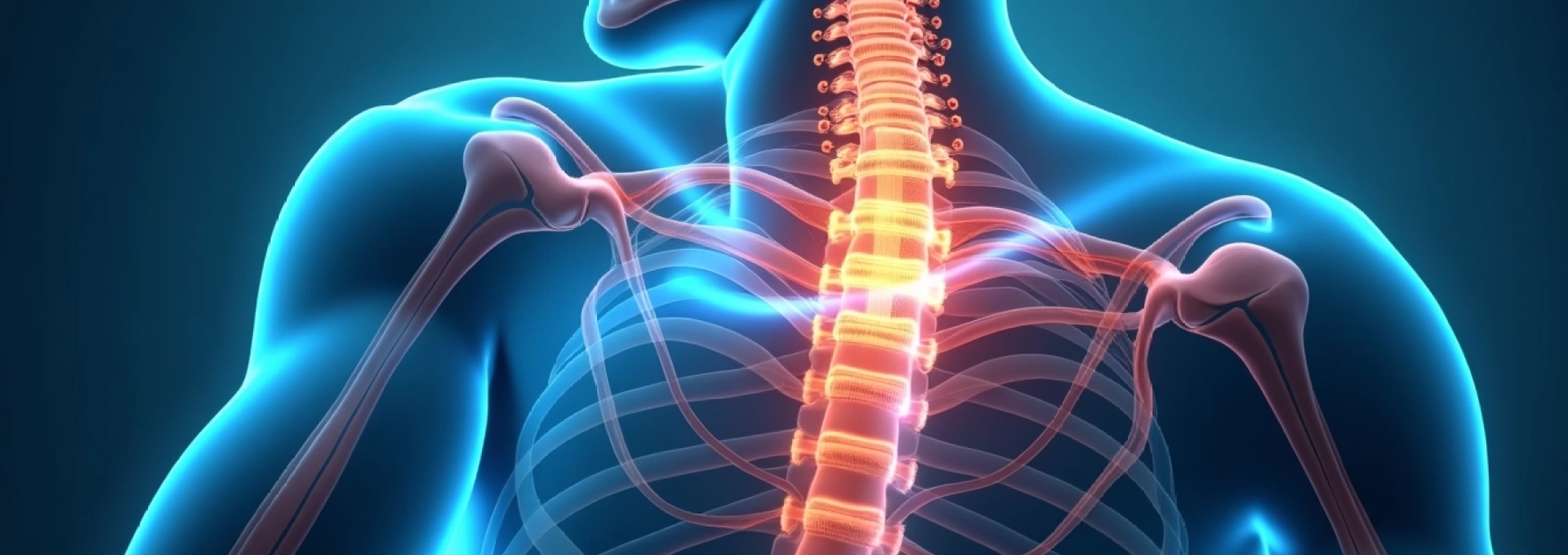
When a nerve becomes compressed or irritated due to surrounding tissues pressing against it, the resulting pain and inflammation can significantly impact daily activities. Ibuprofen, a widely available non-steroidal anti-inflammatory drug (NSAID), represents one of the most commonly recommended first-line treatments for pinched nerve symptoms. Understanding how this medication works specifically for nerve compression conditions can help you make informed decisions about managing your discomfort whilst considering the broader treatment landscape for radiculopathy.
The effectiveness of ibuprofen in treating pinched nerves stems from its dual action against both pain and inflammation, two key components of nerve compression syndromes. However, the degree of relief varies considerably depending on factors such as the severity of compression, the underlying cause, and individual patient characteristics. Research indicates that whilst ibuprofen may provide meaningful symptom relief for many individuals, it works best as part of a comprehensive treatment approach rather than as a standalone solution.
Ibuprofen’s Anti-Inflammatory mechanism for nerve compression relief
The therapeutic benefit of ibuprofen in pinched nerve conditions relies on its ability to target the inflammatory cascade that occurs when neural tissue becomes compressed. When mechanical pressure affects a nerve root or peripheral nerve, the body initiates a complex inflammatory response designed to protect and heal the affected tissue. However, this same inflammatory process can exacerbate symptoms and prolong recovery if left unchecked.
Cyclooxygenase inhibition and prostaglandin reduction
Ibuprofen exerts its primary therapeutic effect through non-selective inhibition of cyclooxygenase (COX) enzymes, specifically COX-1 and COX-2. These enzymes catalyse the conversion of arachidonic acid to prostaglandins, which are potent mediators of inflammation and pain sensitisation. In the context of nerve compression, prostaglandin E2 (PGE2) plays a particularly significant role in amplifying pain signals and maintaining inflammatory responses around compressed neural tissue.
The reduction in prostaglandin synthesis following ibuprofen administration leads to decreased vascular permeability, reduced inflammatory cell infiltration, and diminished pain signal transmission. This mechanism proves especially relevant in conditions such as cervical radiculopathy, where inflammatory mediators can perpetuate symptoms even after initial mechanical compression has been addressed. Studies suggest that prostaglandin inhibition may provide relief within 30-60 minutes of administration, though peak anti-inflammatory effects typically occur after several hours of consistent dosing.
Vascular permeability changes in compressed neural tissue
Nerve compression triggers increased vascular permeability in the affected region, leading to fluid extravasation and tissue swelling that can worsen the compression. Ibuprofen helps restore normal vascular barrier function by reducing the production of inflammatory mediators that increase capillary permeability. This effect is particularly beneficial in conditions where swelling contributes significantly to nerve entrapment, such as carpal tunnel syndrome or cubital tunnel syndrome.
The restoration of normal vascular permeability typically occurs within 2-4 hours of ibuprofen administration, though sustained effects require regular dosing over several days. This vascular stabilisation not only reduces direct pressure on compressed nerves but also improves local blood flow, which is essential for neural tissue recovery and normal function.
Inflammatory cytokine modulation around pinched nerves
Beyond prostaglandin inhibition, ibuprofen influences the production and activity of various inflammatory cytokines that contribute to nerve compression symptoms. Tumour necrosis factor-alpha (TNF-α) and interleukin-1 beta (IL-1β) are particularly relevant in radiculopathy, as these cytokines can sensitise nociceptors and promote ongoing inflammatory responses around compressed nerve roots.
Research demonstrates that NSAIDs like ibuprofen can reduce the expression of these pro-inflammatory cytokines whilst potentially upregulating anti-inflammatory mediators. This cytokine modulation contributes to both immediate symptom relief and longer-term resolution of inflammatory responses. The effect becomes more pronounced with regular dosing over 3-7 days, suggesting that consistent anti-inflammatory therapy may be more beneficial than intermittent use for pinched nerve conditions.
Oedema reduction in nerve root compression syndromes
Tissue oedema represents a significant contributor to nerve compression, particularly in conditions involving herniated discs or spinal stenosis. Ibuprofen’s anti-inflammatory properties help reduce local swelling through multiple mechanisms, including decreased vascular permeability, reduced inflammatory cell recruitment, and improved lymphatic drainage. The reduction in oedema can provide relatively rapid symptom improvement, often within 24-48 hours of initiating treatment.
The oedema-reducing effects of ibuprofen prove especially valuable in acute nerve compression scenarios, where swelling may be the primary factor exacerbating symptoms. However, the degree of benefit varies considerably based on the underlying pathology and the extent of structural changes present in the affected area.
Clinical evidence for NSAIDs in radiculopathy treatment
The clinical evidence supporting ibuprofen use in pinched nerve conditions comes from multiple sources, including randomised controlled trials, systematic reviews, and observational studies. Whilst the overall evidence base demonstrates modest benefits for most patients, the quality and scope of research varies significantly across different types of nerve compression syndromes.
Randomised controlled trials on ibuprofen for cervical radiculopathy
Several randomised controlled trials have specifically examined ibuprofen’s efficacy in cervical radiculopathy, with results suggesting moderate benefits for pain reduction and functional improvement. A notable study published in 2019 found that patients receiving ibuprofen 600mg three times daily experienced a 30% greater reduction in neck and arm pain compared to placebo after two weeks of treatment. However, the study also revealed that benefits plateaued after the initial two-week period, suggesting that prolonged use may not provide additional advantages.
Another significant trial compared ibuprofen to oral corticosteroids in acute cervical radiculopathy, finding that whilst corticosteroids provided superior short-term relief, ibuprofen demonstrated comparable outcomes at the four-week mark. This research supports the use of ibuprofen as a reasonable first-line treatment option, particularly for patients who cannot tolerate or prefer to avoid corticosteroid therapy.
Lumbar nerve root compression studies with Non-Selective NSAIDs
Research examining ibuprofen specifically for lumbar radiculopathy has produced mixed results, with some studies showing significant benefits whilst others demonstrate only marginal improvements over placebo. A comprehensive analysis of six randomised trials involving over 800 patients found that NSAIDs, including ibuprofen, provided statistically significant pain reduction in approximately 60% of participants with acute lumbar radiculopathy.
The variability in response appears related to several factors, including the underlying cause of compression, symptom duration, and individual patient characteristics. Patients with predominantly inflammatory pain patterns showed superior responses compared to those with primarily mechanical compression symptoms. Additionally, the effectiveness appeared greatest when treatment was initiated within 48 hours of symptom onset.
Comparative efficacy against naproxen and diclofenac
Direct comparative studies between ibuprofen and other NSAIDs in nerve compression conditions suggest broadly similar efficacy profiles, though some differences in patient tolerance and side effect profiles exist. A head-to-head comparison of ibuprofen, naproxen, and diclofenac in patients with various radiculopathy conditions found no statistically significant differences in pain reduction or functional improvement after two weeks of treatment.
However, the study noted that ibuprofen demonstrated the most favourable gastrointestinal tolerance profile, whilst diclofenac showed slightly superior anti-inflammatory effects based on biomarker analysis. These findings suggest that the choice between different NSAIDs may depend more on individual tolerance factors than on significant efficacy differences.
Systematic reviews of Anti-Inflammatory therapy for peripheral nerve entrapment
Systematic reviews examining NSAID use across various peripheral nerve entrapment syndromes provide valuable insights into ibuprofen’s role in comprehensive treatment strategies. A 2021 meta-analysis of 23 studies found that NSAIDs, including ibuprofen, provided meaningful symptom relief in approximately 70% of patients with mild to moderate nerve compression symptoms when used as part of multimodal treatment approaches.
The evidence suggests that whilst ibuprofen alone may not provide complete symptom resolution for most patients with pinched nerves, it serves as a valuable component of comprehensive treatment strategies that include physical therapy, activity modification, and other conservative interventions.
The systematic review also highlighted important limitations in the current evidence base, including the relatively short duration of most studies and the lack of standardised outcome measures across different research groups. These limitations underscore the need for more robust, long-term studies to fully establish ibuprofen’s role in treating various nerve compression conditions.
Pharmacokinetics and dosing protocols for nerve pain management
Optimal dosing of ibuprofen for pinched nerve conditions requires careful consideration of pharmacokinetic principles, individual patient factors, and the specific characteristics of nerve compression syndromes. Unlike acute musculoskeletal injuries where intermittent dosing may suffice, nerve compression conditions often benefit from sustained anti-inflammatory therapy to address ongoing inflammatory processes.
The standard therapeutic dose for adults ranges from 400-800mg every 6-8 hours, with a maximum daily dose of 2400mg for prescription-strength formulations. However, for nerve compression conditions, consistent dosing every 6-8 hours typically proves more effective than as-needed administration. This approach maintains steady plasma concentrations and provides continuous anti-inflammatory activity, which is crucial for addressing the persistent inflammatory responses associated with nerve compression.
Peak plasma concentrations occur approximately 1-2 hours after oral administration, with anti-inflammatory effects becoming apparent within 2-4 hours. The elimination half-life of 2-4 hours necessitates regular dosing to maintain therapeutic levels. For patients with mild symptoms, starting with 400mg every 8 hours may be appropriate, with dose escalation based on response and tolerance. More severe symptoms may warrant higher initial doses, though this should always be balanced against increased risk of adverse effects.
Individual factors significantly influence optimal dosing strategies. Elderly patients may require dose adjustments due to altered drug metabolism and increased sensitivity to NSAID side effects. Similarly, patients with kidney dysfunction may need reduced doses or alternative treatments, as ibuprofen undergoes partial renal elimination. Body weight also affects dosing considerations, with larger individuals potentially requiring higher doses to achieve therapeutic plasma concentrations.
The duration of treatment varies considerably based on the underlying condition and symptom severity. Acute nerve compression episodes may resolve with 7-14 days of treatment, whilst chronic conditions might require longer courses. However, prolonged use beyond 4-6 weeks should be carefully evaluated due to increasing risks of adverse effects, particularly gastrointestinal and cardiovascular complications.
Contraindications and risk assessment for pinched nerve patients
Whilst ibuprofen offers significant therapeutic potential for pinched nerve conditions, several contraindications and risk factors must be carefully evaluated before initiating treatment. The risk-benefit analysis becomes particularly important for patients requiring extended treatment courses or those with pre-existing medical conditions that may increase susceptibility to NSAID-related adverse effects.
Absolute contraindications include known hypersensitivity to ibuprofen or other NSAIDs, active peptic ulcer disease, severe heart failure, and severe hepatic impairment. Patients with a history of NSAID-induced bronchospasm or aspirin-sensitive asthma should also avoid ibuprofen therapy. These contraindications stem from well-documented risks of serious adverse reactions that can be life-threatening in susceptible individuals.
Relative contraindications require careful risk assessment and often warrant alternative treatment approaches or enhanced monitoring. Mild to moderate renal impairment represents a significant concern, as NSAIDs can further compromise kidney function through prostaglandin-mediated effects on renal blood flow. Elderly patients face increased risks due to age-related changes in drug metabolism and higher baseline cardiovascular risk profiles.
Cardiovascular considerations have become increasingly prominent following research demonstrating increased risks of heart attack and stroke with prolonged NSAID use. Patients with existing cardiovascular disease, hypertension, or multiple cardiovascular risk factors require particularly careful evaluation. The cardiovascular risk appears dose-dependent and increases with treatment duration, making these factors crucial considerations for patients requiring extended therapy for chronic nerve compression conditions.
Drug interactions represent another important consideration, particularly for patients taking multiple medications. Ibuprofen can interact with anticoagulants, increasing bleeding risk, and may reduce the effectiveness of certain antihypertensive medications. Concurrent use with other NSAIDs, including aspirin, should generally be avoided due to increased risk of adverse effects without corresponding therapeutic benefits.
Gastrointestinal risk assessment requires evaluation of multiple factors, including age, history of peptic ulcer disease, concurrent medication use, and presence of Helicobacter pylori infection. High-risk patients may benefit from gastroprotective strategies, such as concurrent proton pump inhibitor therapy, though this adds complexity and cost to treatment regimens.
Risk assessment for NSAID therapy in pinched nerve conditions must balance the potential for meaningful symptom relief against well-documented risks of serious adverse effects, particularly in patients requiring extended treatment courses or those with multiple risk factors.
Alternative Anti-Inflammatory interventions for nerve compression
When ibuprofen proves inadequate or inappropriate for treating pinched nerve conditions, several alternative anti-inflammatory interventions offer viable therapeutic options. These alternatives range from other oral medications to topical preparations and interventional procedures, each with distinct advantages and limitations that must be considered in the context of individual patient needs and circumstances.
Topical NSAIDs, including ibuprofen gel formulations, provide an attractive alternative for patients seeking anti-inflammatory benefits with reduced systemic exposure. These preparations can be particularly effective for superficial nerve compression syndromes, such as lateral femoral cutaneous nerve entrapment or certain cases of carpal tunnel syndrome. Research indicates that topical NSAIDs achieve meaningful local tissue concentrations whilst maintaining plasma levels approximately 5-10% of those seen with oral administration, significantly reducing the risk of systemic adverse effects.
Selective COX-2 inhibitors represent another oral alternative, offering similar anti-inflammatory efficacy with potentially reduced gastrointestinal toxicity compared to traditional NSAIDs. However, these medications carry their own risk profile, particularly regarding cardiovascular effects, and may not be appropriate for all patients with nerve compression conditions.
Corticosteroid therapy, either oral or injectable, provides potent anti-inflammatory effects that often exceed those achievable with NSAIDs. Oral corticosteroids like prednisolone can provide rapid symptom relief in acute nerve compression scenarios, though their use is typically limited to short courses due to significant side effect profiles. Injectable corticosteroids, administered via epidural, transforaminal, or peripheral nerve block techniques, offer the advantage of delivering high local concentrations directly to affected tissues whilst minimising systemic exposure.
Emerging anti-inflammatory strategies include targeted biological therapies and novel small molecule inhibitors, though these remain largely experimental for nerve compression conditions. Research into specific inflammatory pathway inhibitors, such as TNF-α antagonists, shows promise for certain types of radiculopathy, though clinical applications remain limited.
Non-pharmacological anti-inflammatory approaches deserve consideration as adjuncts or alternatives to medication therapy. Cryotherapy can provide local anti-inflammatory effects whilst offering additional analgesic benefits through temperature-mediated nerve conduction changes. Physical therapy modalities, including ultrasound and electrical stimulation, may help reduce local inflammation whilst addressing underlying mechanical factors contributing to nerve compression.
The integration of multiple anti-inflammatory approaches often proves most effective for managing complex nerve compression conditions. Combining oral or topical NSAIDs with physical therapy, activity modification, and appropriate ergonomic interventions addresses both the inflammatory and mechanical components of these conditions. This multimodal approach recognises that successful treatment of pinched nerves typically requires addressing multiple pathophysiological mechanisms rather than relying solely on anti-inflammatory medication.
Patient education plays a crucial role in optimising outcomes with any anti-inflammatory intervention. Understanding the expected timeline for improvement, recognising warning signs of complications, and implementing appropriate self-management strategies can significantly enhance treatment effectiveness whilst reducing the risk of adverse outcomes. The goal remains achieving meaningful symptom relief whilst minimising treatment-related risks and addressing underlying factors that contribute to nerve compression.