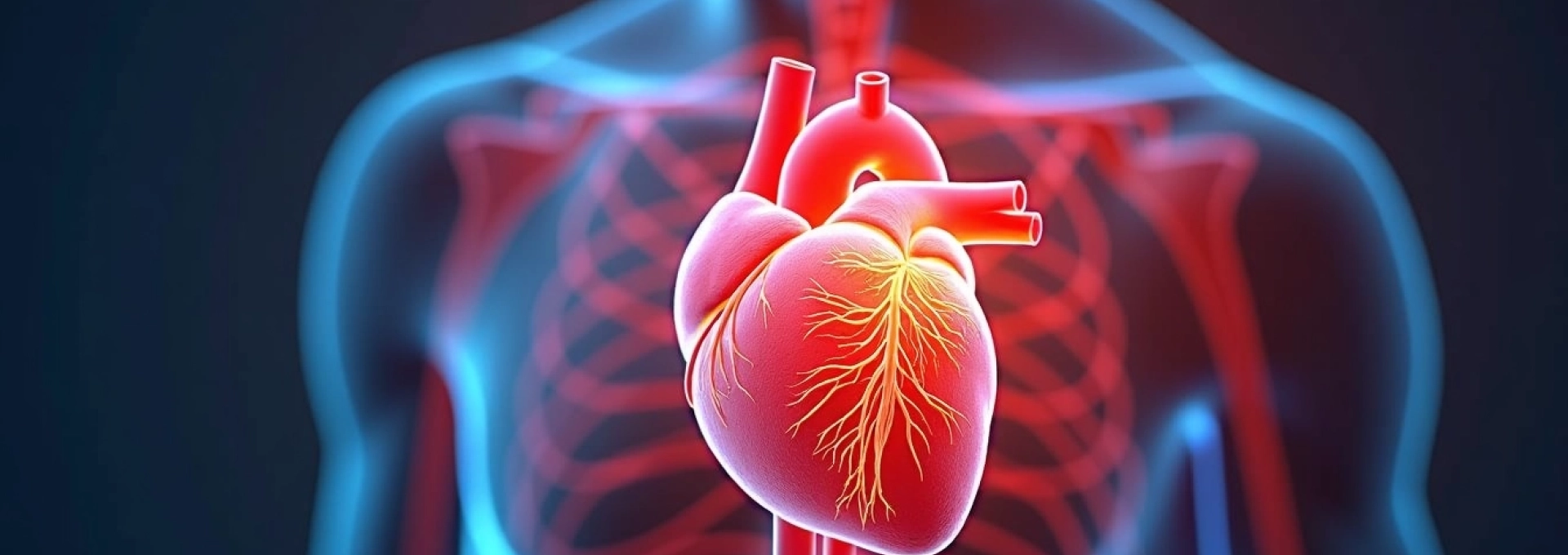
Experiencing tingling sensations in the heart area can be profoundly unsettling, often triggering immediate concerns about cardiac health. This peculiar symptom, medically termed precordial paresthesia, represents a complex interplay of various physiological systems that can manifest through numerous pathways. From cardiac arrhythmias to musculoskeletal disorders, the underlying causes span across multiple medical disciplines, each requiring careful consideration and differentiated diagnosis.
The sensation of tingling, numbness, or pins-and-needles feelings in the chest region affects millions of individuals worldwide, with studies indicating that approximately 15-20% of emergency department visits for chest symptoms involve non-cardiac causes. Understanding these diverse aetiologies becomes crucial for both healthcare professionals and patients alike, as proper identification can prevent unnecessary anxiety whilst ensuring that serious conditions receive appropriate medical attention.
Cardiac arrhythmias and electrical conduction disorders
The heart’s electrical system operates with remarkable precision, generating approximately 100,000 beats per day through coordinated impulses. When this intricate network experiences disruption, patients may perceive unusual sensations including tingling, fluttering, or palpitations in the precordial region. These cardiac dysrhythmias represent one of the most significant causes of heart area tingling that requires immediate medical evaluation.
Atrial Fibrillation-Related palpitation mechanisms
Atrial fibrillation affects over 33 million people globally, creating chaotic electrical activity that can produce distinctive sensory experiences. During AF episodes, the irregular ventricular response patterns often manifest as uncomfortable awareness of the heartbeat, frequently described as tingling or buzzing sensations. The unpredictable nature of these impulses disrupts normal cardiac output, leading to variable blood flow that patients may perceive as chest tingling or discomfort.
The irregular rhythm patterns characteristic of atrial fibrillation create a distinctive sensory signature that many patients describe as electrical tingling or numbness spreading across the chest wall.
Premature ventricular contractions and ectopic beat patterns
Premature ventricular contractions occur in approximately 50% of healthy individuals, yet can produce alarming sensations when frequent or symptomatic. These ectopic beats generate forceful contractions followed by compensatory pauses, creating a distinctive pattern that patients often interpret as chest tingling or skipped heartbeats. The mechanical impact of PVCs against the chest wall can stimulate local nerve endings, producing paresthetic sensations that radiate across the precordial area.
Supraventricular tachycardia manifestations
Episodes of supraventricular tachycardia, with heart rates typically ranging from 150-250 beats per minute, create intense haemodynamic changes that frequently produce chest tingling. The rapid rate reduces ventricular filling time, compromising cardiac output and triggering compensatory mechanisms. Patients commonly report a combination of palpitations accompanied by chest tingling, breathlessness, and anxiety during these episodes.
Bradycardia-induced compensatory response symptoms
Significant bradycardia, defined as heart rates below 50 beats per minute, triggers complex compensatory mechanisms that can produce unusual chest sensations. The body’s attempt to maintain adequate cardiac output through increased stroke volume and peripheral vasoconstriction often creates heightened awareness of cardiac activity. This compensatory response frequently manifests as tingling sensations across the chest, particularly during periods of increased metabolic demand.
Musculoskeletal origins of precordial sensations
The chest wall’s complex anatomy includes multiple layers of muscles, cartilage, and neural networks that can generate tingling sensations mimicking cardiac pathology. Musculoskeletal causes account for approximately 30-40% of chest pain presentations in primary care settings, making them a crucial consideration in the differential diagnosis of precordial paresthesia. These conditions often produce reproducible symptoms that worsen with specific movements or palpation.
Costochondritis and tietze syndrome differentiation
Costochondritis represents inflammation of the costochondral junctions, affecting up to 10% of adults experiencing chest pain. This condition creates localised inflammation that can irritate adjacent nerve pathways, producing characteristic tingling or burning sensations along the chest wall. The inflammatory process affects the junction between ribs and cartilage, creating point tenderness that often radiates in patterns resembling cardiac pain. Unlike Tietze syndrome, which involves visible swelling, costochondritis presents with pain and paresthesia without obvious external signs.
The distinction between these conditions becomes clinically significant when evaluating chest tingling, as both can produce similar sensory disturbances. Tietze syndrome typically affects the second and third costochondral junctions, creating more localised symptoms, whilst costochondritis can involve multiple junction points simultaneously, producing more diffuse tingling patterns across the anterior chest wall.
Intercostal neuralgia pathophysiology
Intercostal neuralgia involves inflammation or irritation of the nerves running between the ribs, creating distinctive patterns of chest wall tingling and pain. This condition affects the intercostal nerves that supply sensation to the chest wall, producing sharp, burning, or tingling sensations that follow dermatomal distributions. The pathophysiology involves nerve irritation from various causes including viral infections, trauma, or mechanical compression.
Patients with intercostal neuralgia often describe sensations resembling electrical shocks or persistent tingling that worsens with deep breathing, coughing, or trunk rotation. The dermatomal pattern of symptoms helps distinguish this condition from cardiac causes, as the tingling follows specific anatomical pathways rather than diffuse chest discomfort characteristic of heart conditions.
Thoracic outlet syndrome neural compression
Thoracic outlet syndrome encompasses compression of neurovascular structures in the space between the clavicle and first rib, affecting approximately 8% of the population with varying degrees of severity. This condition can produce complex sensory disturbances including chest tingling, particularly when neural structures within the thoracic outlet experience compression. The brachial plexus involvement often creates radiating symptoms that extend from the chest into the arm and hand.
The mechanism involves compression of nerve roots or peripheral nerves as they traverse the thoracic outlet, creating ischaemic changes that manifest as tingling, numbness, or pins-and-needles sensations. These symptoms typically worsen with overhead arm activities or specific positioning that further narrows the thoracic outlet space. The condition demonstrates how anatomical variations can create symptoms that closely mimic cardiac pathology.
Fibromyalgia trigger points in pectoral region
Fibromyalgia affects approximately 2-4% of the population and commonly involves trigger points within the pectoral muscles that can generate referred tingling sensations across the chest wall. These tender points, when activated through pressure or movement, create characteristic patterns of discomfort that patients often interpret as heart-related symptoms. The condition’s neurophysiology involves central sensitisation mechanisms that amplify normal sensory input.
Pectoral trigger points in fibromyalgia patients demonstrate remarkable consistency in their referral patterns, often creating tingling that radiates across the anterior chest wall in predictable distributions. The condition illustrates how central nervous system alterations can create peripheral symptoms that convincingly mimic cardiac pathology, emphasising the importance of comprehensive evaluation in patients presenting with chest tingling.
Gastroesophageal and pulmonary referred pain syndromes
The intimate anatomical relationships within the thoracic cavity create numerous opportunities for referred sensations from non-cardiac organs to manifest as chest tingling. Gastroesophageal reflux disease affects approximately 20% of Western populations, frequently producing atypical symptoms that include chest tingling, burning, or discomfort. The oesophagus shares common neural pathways with cardiac structures, explaining why gastroesophageal pathology can create convincing cardiac-like symptoms including precordial paresthesia.
Oesophageal spasm represents another significant cause of chest tingling, creating powerful contractions that can produce intense chest discomfort accompanied by tingling sensations radiating across the precordium. These spasms can generate pressures exceeding 180 mmHg, sufficient to stimulate adjacent neural structures and create sensory disturbances that closely mimic cardiac events. The temporal relationship with swallowing or specific food triggers often provides diagnostic clues distinguishing oesophageal from cardiac causes.
Pulmonary embolism, whilst less common, represents a critical differential diagnosis that can present with chest tingling alongside breathlessness and pleuritic pain. Studies indicate that approximately 15% of pulmonary embolism patients experience atypical chest sensations including tingling or numbness, particularly in cases involving smaller peripheral emboli. The pathophysiology involves local inflammatory responses and altered ventilation-perfusion relationships that can stimulate chest wall sensory receptors.
Pneumothorax creates another mechanism for chest tingling through pleural irritation and altered intrathoracic pressures. The sudden change in pleural dynamics can stimulate sensory nerve endings within the pleural space, creating sharp tingling sensations that often accompany the characteristic chest pain. Even small pneumothoraces can produce significant sensory disturbances due to the high concentration of sensory innervation within the pleural membranes.
Anxiety-related somatisation and panic disorder manifestations
Psychological factors contribute significantly to chest tingling experiences, with anxiety disorders affecting approximately 18% of adults annually and frequently manifesting through somatic symptoms. The mind-body connection creates powerful physiological responses that can produce genuine physical sensations including chest tingling, palpitations, and breathlessness. Understanding these mechanisms becomes crucial for comprehensive patient care, as dismissing psychological contributions can lead to inadequate treatment approaches.
Panic attacks demonstrate the profound ability of psychological states to create intense physical symptoms, with studies showing that 85% of panic disorder patients experience chest symptoms during episodes. The cascade of physiological changes including hyperventilation, increased catecholamine release, and altered blood flow patterns creates conditions conducive to chest tingling and paresthesia. These symptoms feel entirely real to patients and require careful evaluation to distinguish from cardiac pathology.
The hyperventilation component of anxiety responses creates specific conditions that promote tingling sensations through respiratory alkalosis and associated electrolyte changes. Rapid breathing reduces carbon dioxide levels, creating pH changes that affect nerve membrane excitability and promote paresthetic sensations. This mechanism explains why breathing exercises and relaxation techniques often provide rapid relief for anxiety-related chest tingling.
Chronic stress contributes to persistent chest sensations through sustained activation of the sympathetic nervous system, creating heightened awareness of normal cardiac activity that patients may interpret as abnormal tingling or discomfort. The continuous state of physiological arousal associated with chronic stress can sensitise neural pathways, making individuals more prone to experiencing and noticing chest sensations. This sensitisation process demonstrates how psychological factors can create lasting changes in sensory perception that persist beyond acute stress episodes.
Vascular pathology and microcirculation abnormalities
Vascular causes of chest tingling encompass a spectrum of conditions affecting blood flow to chest wall structures and cardiac muscle itself. Peripheral arterial disease, whilst primarily affecting extremities, can involve intercostal arteries and create ischaemic conditions within chest wall muscles that manifest as tingling or numbness. The reduced perfusion affects cellular metabolism and neural function, creating sensory disturbances that patients perceive as chest tingling.
Microvascular dysfunction represents an increasingly recognised cause of chest symptoms in patients with normal coronary arteries, affecting approximately 10-15% of individuals undergoing cardiac catheterisation for chest pain evaluation. This condition involves abnormalities in the coronary microvasculature that cannot adequately respond to increased metabolic demands, creating transient ischaemia that may manifest as chest tingling, particularly during exertion or stress.
Coronary artery spasm, whilst relatively uncommon, can produce dramatic chest sensations including intense tingling accompanied by chest pain and electrocardiographic changes. These episodes typically occur at rest and can produce symptoms ranging from mild chest discomfort to severe pain with associated paresthesia. The spasm creates temporary cessation of blood flow that stimulates cardiac sensory nerve endings, producing the characteristic tingling sensation that often accompanies vasospastic episodes.
Vascular causes of chest tingling often demonstrate distinctive temporal patterns, with symptoms typically related to exertion, position changes, or circadian rhythms that reflect underlying haemodynamic mechanisms.
Thoracic aortic pathology, including aortic dissection and aneurysm expansion, can create chest tingling through several mechanisms including nerve compression, altered blood flow patterns, and inflammatory responses. Even small changes in aortic dimensions can affect adjacent neural structures, creating sensory disturbances that precede more dramatic manifestations. The anatomical proximity of the aorta to multiple neural structures explains the diverse sensory symptoms that can accompany aortic pathology.
Diagnostic approaches for precordial paresthesia assessment
Comprehensive evaluation of chest tingling requires systematic assessment incorporating detailed history taking, physical examination, and selective diagnostic testing based on clinical presentation. The diagnostic approach must balance the need to identify serious pathology whilst avoiding excessive testing for benign conditions. Current evidence suggests that structured diagnostic protocols can improve diagnostic accuracy whilst reducing healthcare costs and patient anxiety.
The initial clinical assessment should focus on characterising the tingling sensation including onset patterns, triggers, associated symptoms, and response to interventions. Research demonstrates that certain historical features significantly increase the likelihood of cardiac pathology, including symptoms triggered by exertion, associated with sweating or nausea, or occurring in patients with established cardiovascular risk factors. These high-risk features warrant more aggressive diagnostic evaluation.
Electrocardiographic assessment remains fundamental in evaluating chest tingling, though normal findings do not exclude significant pathology. Ambulatory monitoring techniques including Holter monitors and event recorders provide valuable insights into rhythm abnormalities that may correlate with symptom episodes. Studies indicate that 24-48 hour monitoring captures clinically significant arrhythmias in approximately 25% of patients with intermittent chest symptoms.
Advanced cardiac imaging including echocardiography, stress testing, and coronary computed tomography provides detailed assessment of cardiac structure and function when clinical features suggest cardiac pathology. The selection of appropriate imaging modalities depends on clinical probability assessments and specific symptom characteristics. Recent advances in cardiac magnetic resonance imaging offer particular value in assessing microvascular dysfunction and detecting subtle abnormalities that may explain chest tingling in patients with normal coronary arteries.
Laboratory assessment should include evaluation of inflammatory markers, electrolytes, and cardiac biomarkers when clinical presentation suggests specific pathology. Thyroid function testing proves particularly valuable given the high prevalence of thyroid disorders in patients presenting with chest symptoms and palpitations. The systematic approach to laboratory testing based on clinical probability helps optimise diagnostic yield whilst avoiding unnecessary investigations that may increase costs without improving patient outcomes.