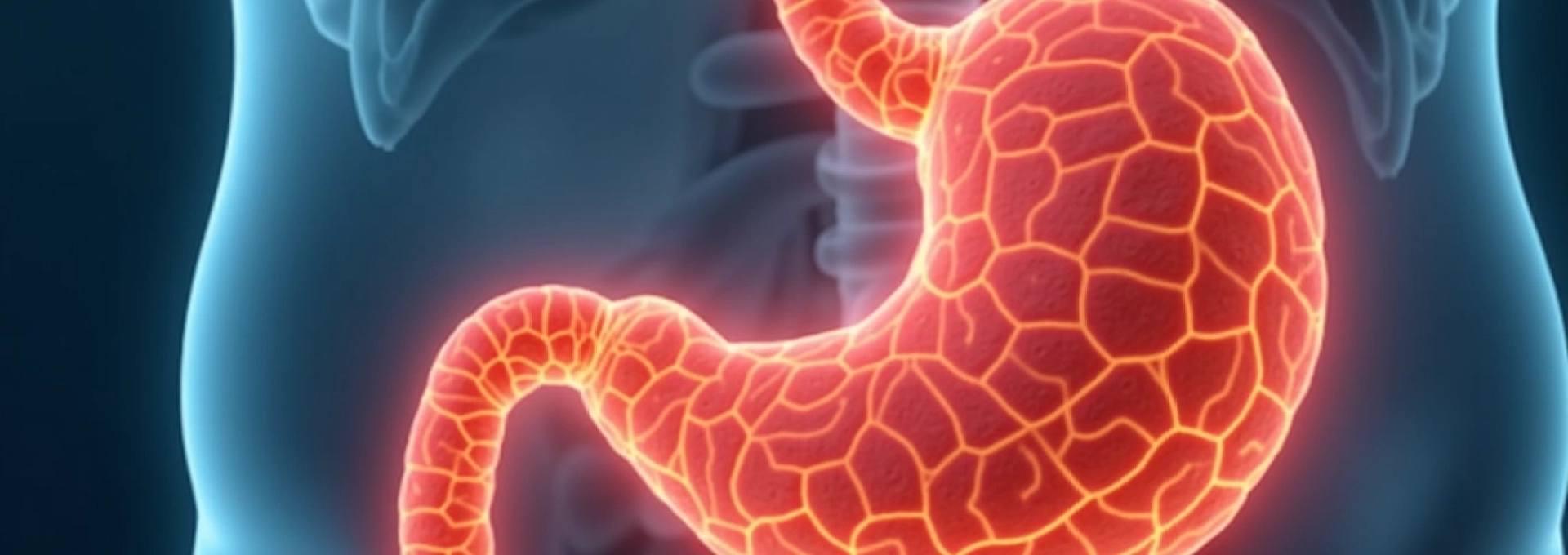
The relationship between tobacco consumption and gastric discomfort represents one of the most underappreciated health complications affecting millions of smokers worldwide. While most people associate smoking with respiratory and cardiovascular risks, the profound impact on digestive health often goes unrecognised until symptoms become severe. Stomach pain after smoking isn’t merely an occasional inconvenience—it’s a complex physiological response involving multiple organ systems and biochemical pathways that can lead to serious long-term complications.
Understanding the mechanisms behind smoking-induced gastric pain requires examining how tobacco’s numerous toxic compounds interact with delicate digestive tissues. From nicotine’s direct effects on nerve function to the inflammatory cascade triggered by combustion byproducts, each component contributes to a cascade of events that can transform a healthy digestive system into one plagued by chronic discomfort. This comprehensive examination reveals why your stomach rebels against tobacco and what specific processes drive this painful response.
Nicotine-induced gastric motility disorders and digestive dysfunction
Nicotine’s impact on gastric function extends far beyond simple stimulation, creating a complex web of neurological disruptions that fundamentally alter how your digestive system operates. The alkaloid compound acts as both an agonist and antagonist at various receptor sites, leading to paradoxical effects that can simultaneously stimulate and suppress normal digestive processes. This dual action creates an environment where normal gastric motility patterns become erratic and unpredictable, often resulting in the characteristic cramping and discomfort experienced by many smokers.
Parasympathetic nervous system disruption through acetylcholine receptor antagonism
The parasympathetic nervous system’s role in digestive health cannot be overstated, as it governs the “rest and digest” responses crucial for proper nutrient absorption and gastric function. Nicotine’s interference with acetylcholine receptors disrupts these carefully orchestrated processes by blocking normal neurotransmitter signalling pathways. When acetylcholine cannot properly bind to its receptors, the smooth muscle contractions that move food through your digestive tract become uncoordinated and inefficient.
This disruption manifests as irregular peristaltic waves—the rhythmic contractions that should propel food smoothly from your stomach to your small intestine. Instead of coordinated movement, you experience spasmodic contractions that can trap food in certain areas while allowing other sections to remain relatively inactive. These irregular patterns create pockets of stagnant digestive material that ferment abnormally, producing gas, bloating, and the sharp, localised pain many smokers describe as “stomach cramping.”
Delayed gastric emptying and Gastroparesis-Like symptoms
Gastroparesis, typically associated with diabetes, shares many characteristics with the gastric emptying delays observed in chronic smokers. The condition involves significantly slowed movement of food from the stomach to the small intestine, creating a backlog that leads to uncomfortable fullness, nausea, and pain. Nicotine’s effect on gastric motility can create similar symptoms by interfering with the coordinated muscle contractions necessary for proper food transit.
The delayed emptying process means food remains in your stomach far longer than intended, leading to extended exposure to gastric acid and increased fermentation. This prolonged residence time allows normally harmless bacteria to multiply and produce additional byproducts that irritate the gastric lining. The result is a cycle where delayed emptying leads to increased irritation, which further slows gastric function and perpetuates the uncomfortable symptoms.
Pyloric sphincter dysfunction and duodenal reflux mechanisms
The pyloric sphincter serves as a critical gateway between your stomach and duodenum, carefully regulating when and how much gastric content passes into the small intestine. Nicotine’s impact on this muscular valve creates dysfunction that can manifest in multiple ways, from incomplete closure allowing duodenal contents to reflux back into the stomach, to excessive constriction that prevents normal gastric emptying. This dysfunction disrupts the delicate pH balance maintained between these two digestive regions.
When duodenal reflux occurs, bile and pancreatic enzymes—designed to function in the more alkaline environment of the small intestine—come into contact with the acidic gastric environment. This creates a particularly irritating mixture that can cause severe stomach pain and contribute to the development of gastritis. The bile acids, in particular, are known to cause significant mucosal irritation when they encounter the stomach’s acidic environment, leading to inflammation and pain that can persist for hours after smoking.
Vagal nerve stimulation abnormalities in chronic tobacco users
The vagus nerve serves as the primary communication highway between your brain and digestive system, carrying signals that coordinate everything from gastric acid production to intestinal motility. Chronic nicotine exposure creates lasting changes in vagal nerve function that persist even between smoking sessions. These changes affect both the sensitivity of vagal nerve endings and their ability to transmit clear, coordinated signals to digestive organs.
Research indicates that long-term smokers develop altered vagal tone, meaning the baseline level of nerve activity becomes either hyperactive or hypoactive depending on individual factors and smoking patterns. This altered baseline creates a digestive system that struggles to respond appropriately to normal physiological demands, leading to symptoms that can appear seemingly random but follow the disrupted patterns of vagal signalling. The unpredictable nature of these symptoms often makes it difficult for smokers to connect their gastric discomfort directly to their tobacco use.
Inflammatory gastric responses to tobacco combustion byproducts
The combustion of tobacco produces over 7,000 distinct chemical compounds, with at least 70 known carcinogens and numerous inflammatory agents that directly impact gastric health. These compounds don’t simply pass through your digestive system harmlessly—they initiate complex inflammatory cascades that can persist long after the last cigarette. The inflammatory response involves multiple cellular pathways and can create both acute discomfort and chronic structural changes to gastric tissues.
Polycyclic aromatic Hydrocarbon-Mediated mucosal irritation
Polycyclic aromatic hydrocarbons (PAHs) represent some of the most problematic compounds found in tobacco smoke, as they possess both direct toxic effects and the ability to generate reactive oxygen species within gastric tissues. When PAHs come into contact with the gastric mucosa, they trigger immediate inflammatory responses through multiple pathways, including the activation of aryl hydrocarbon receptors and the generation of oxidative stress markers.
The mucosal irritation caused by PAHs isn’t limited to surface contact—these compounds can penetrate cellular membranes and disrupt intracellular processes crucial for maintaining gastric health. This penetration allows PAHs to interfere with cellular repair mechanisms, mitochondrial function, and DNA integrity within gastric epithelial cells. The result is a compromised mucosal barrier that becomes increasingly susceptible to acid damage and bacterial colonisation, creating the perfect environment for chronic gastric pain and inflammation.
Prostaglandin E2 suppression and gastric cytoprotection impairment
Prostaglandin E2 (PGE2) serves as one of the stomach’s most important protective mechanisms, stimulating mucus and bicarbonate secretion while promoting adequate blood flow to gastric tissues. Tobacco smoke contains numerous compounds that suppress PGE2 production, effectively removing one of your stomach’s primary defence systems against acid damage. This suppression occurs through multiple mechanisms, including direct inhibition of cyclooxygenase enzymes and interference with prostaglandin synthesis pathways.
Without adequate PGE2 levels, your stomach loses its ability to maintain the protective mucus layer that normally shields gastric tissues from acid exposure. Additionally, the reduced bicarbonate secretion means your stomach cannot effectively neutralise acid that comes into direct contact with the mucosal surface. This combination of reduced protection and maintained acid production creates an environment where even normal gastric acid levels can cause significant pain and tissue damage.
Helicobacter pylori colonisation enhancement in smokers
The relationship between smoking and Helicobacter pylori infection represents a particularly concerning aspect of tobacco-related gastric health issues. Smoking doesn’t directly cause H. pylori infection, but it significantly enhances the bacterium’s ability to colonise and thrive within the gastric environment. The altered pH levels, reduced immune function, and compromised mucosal barriers created by smoking provide ideal conditions for bacterial proliferation.
Once established in smokers, H. pylori infections tend to be more severe, more resistant to treatment, and more likely to result in serious complications such as peptic ulcers and gastric cancer. The bacterium produces urease enzymes that further disrupt the gastric environment by creating localised alkaline patches that can damage surrounding tissues. Combined with smoking’s other effects, H. pylori colonisation can transform manageable gastric discomfort into severe, persistent pain requiring medical intervention.
Nitric oxide pathway disruption and gastric blood flow reduction
Nitric oxide plays a crucial role in maintaining adequate blood flow to gastric tissues, serving as a potent vasodilator that ensures proper oxygen and nutrient delivery to the stomach lining. Tobacco smoke contains compounds that interfere with nitric oxide synthesis and function, leading to reduced gastric perfusion and compromised tissue health. This reduction in blood flow affects both the stomach’s ability to heal from daily acid exposure and its capacity to mount effective immune responses against potential threats.
The impaired blood flow also affects the stomach’s ability to remove metabolic waste products and inflammatory mediators, leading to their accumulation in gastric tissues. This accumulation can perpetuate inflammatory responses and contribute to the chronic nature of smoking-related gastric pain. Additionally, reduced blood flow compromises the delivery of essential nutrients and oxygen needed for cellular repair processes, creating a cycle where gastric tissues become increasingly damaged and painful over time.
Peptic ulcer disease pathogenesis in active smokers
The development of peptic ulcers in smokers involves a complex interplay of factors that extend far beyond simple acid production. While gastric acid remains a crucial component in ulcer formation, smoking creates multiple additional risk factors that significantly increase both the likelihood of ulcer development and the severity of resulting symptoms. Understanding these mechanisms helps explain why smokers experience such persistent and often severe gastric pain compared to non-smokers with similar digestive issues.
Bicarbonate secretion inhibition and Acid-Base imbalance
The stomach’s natural defence against its own acid production relies heavily on bicarbonate secretion, which creates a protective alkaline layer immediately adjacent to the gastric mucosa. This bicarbonate barrier serves as the first line of defence against acid-induced tissue damage, neutralising hydrogen ions before they can penetrate deeper into gastric tissues. Smoking significantly impairs this bicarbonate secretion through multiple pathways, including direct toxic effects on secretory cells and disruption of the hormonal signals that normally stimulate bicarbonate production.
When bicarbonate secretion becomes insufficient, even normal levels of gastric acid can overwhelm the stomach’s protective mechanisms and begin causing tissue damage. This imbalance creates microenvironments where the pH drops low enough to denature proteins and disrupt cellular membranes, leading to the formation of small erosions that can progress to full ulcers. The progressive nature of this damage explains why smoking-related gastric pain often worsens over time rather than remaining stable.
Gastrin hypersecretion and parietal cell hyperactivity
Gastrin, the hormone responsible for stimulating gastric acid production, becomes dysregulated in chronic smokers through mechanisms that aren’t fully understood but appear to involve both direct nicotine effects and adaptive responses to chronic gastric irritation. This dysregulation typically manifests as elevated gastrin levels that persist longer than normal after meals, leading to prolonged periods of acid hypersecretion that can overwhelm protective mechanisms even in healthy individuals.
The hyperactivity of parietal cells—the specialised cells responsible for acid production—creates a situation where your stomach produces more acid than necessary for digestion while simultaneously having reduced capacity to protect itself from that acid. This imbalance becomes particularly problematic during fasting periods when protective mucus production naturally decreases but acid production remains elevated due to the altered gastrin signalling patterns common in smokers.
Epidermal growth factor receptor downregulation
Epidermal growth factor (EGF) and its receptors play crucial roles in maintaining gastric mucosal integrity through their involvement in cellular repair and regeneration processes. Smoking causes significant downregulation of EGF receptors in gastric tissues, effectively reducing the stomach’s ability to heal from daily wear and tear. This downregulation occurs through both direct toxic effects of tobacco compounds and indirect effects mediated by chronic inflammation and oxidative stress.
Without adequate EGF signalling, minor gastric injuries that would normally heal quickly instead persist and potentially worsen over time. The reduced healing capacity means that even small areas of mucosal damage can progress to deeper ulcerations, while existing ulcers heal more slowly and incompletely. This impaired healing response helps explain why peptic ulcers in smokers tend to be more severe, more likely to recur, and more resistant to conventional treatments compared to ulcers in non-smokers.
Mucin production deficiency and protective barrier breakdown
The gastric mucus layer serves as perhaps the most important physical barrier protecting your stomach from acid damage, consisting of specialized mucin proteins that form a gel-like coating over the entire gastric surface. Smoking profoundly affects both the quantity and quality of mucin production, leading to a thinner, less effective protective barrier. The altered mucin composition also affects the layer’s ability to trap and neutralize acid, further compromising gastric protection.
Research has shown that smokers produce mucins with altered biochemical properties that make them less effective at forming stable protective gels and more susceptible to degradation by gastric enzymes. This qualitative change in mucin production means that even when mucus production appears adequate in quantity, the protective function remains significantly compromised. The breakdown of this crucial barrier leaves gastric tissues directly exposed to acid and other irritants, virtually guaranteeing the development of painful inflammatory responses and potential ulceration.
Functional dyspepsia and Non-Ulcer gastric complications
Functional dyspepsia represents a particularly frustrating condition for both patients and healthcare providers, characterized by persistent gastric symptoms without identifiable structural abnormalities on standard diagnostic tests. Smoking significantly increases the risk of developing functional dyspepsia through mechanisms that affect gastric sensitivity, motility patterns, and visceral pain perception. Unlike peptic ulcers or gastritis, functional dyspepsia doesn’t involve obvious tissue damage, making it challenging to diagnose and treat effectively.
The relationship between smoking and functional dyspepsia involves complex interactions between the central nervous system, enteric nervous system, and various hormonal pathways that regulate gastric function. Nicotine’s effects on neurotransmitter systems can alter pain perception thresholds, making normal gastric sensations feel painful or uncomfortable. Additionally, the chronic low-level inflammation associated with smoking can sensitize nerve endings throughout the digestive tract, leading to heightened responses to stimuli that wouldn’t normally cause discomfort.
Smokers with functional dyspepsia often experience symptoms that seem disproportionate to any identifiable pathology, including severe pain, early satiety, and persistent nausea that can significantly impact quality of life. The condition tends to be more severe and persistent in smokers compared to non-smokers, possibly due to the ongoing irritant effects of tobacco compounds and the altered neurological responses they create. Understanding these mechanisms helps explain why smoking cessation often leads to significant improvement in functional dyspepsia symptoms, even when other treatments have failed to provide adequate relief.
Gastroesophageal reflux disease exacerbation through lower esophageal sphincter relaxation
While gastroesophageal reflux disease (GERD) primarily affects the esophagus, its impact on gastric comfort and the stomach pain experienced by smokers cannot be overlooked. The lower esophageal sphincter (LES) serves as a crucial barrier preventing stomach contents from flowing backward into the esophagus, but smoking significantly impairs its function through multiple mechanisms. Nicotine causes direct relaxation of LES smooth muscle, while other tobacco compounds contribute to inflammatory changes that affect sphincter competence over time.
The weakened LES allows gastric acid, bile, and partially digested food to reflux into the esophagus, creating a burning sensation that many people interpret as stomach pain due to its location and intensity. This reflux also creates a cycle where the irritation causes increased gastric acid production as the stomach attempts to aid digestion, but the additional acid only worsens the reflux symptoms. The
backflow of acidic contents can also cause secondary changes in gastric motility and secretion patterns, leading to additional stomach discomfort that compounds the primary reflux symptoms.
The inflammatory cascade triggered by chronic acid exposure in GERD further complicates gastric function by sensitizing nerve pathways throughout the upper digestive tract. This sensitization means that even normal gastric contractions or modest increases in gastric pressure can trigger pain responses that feel disproportionate to the stimulus. The interconnected nature of esophageal and gastric function means that addressing smoking-related GERD often provides significant relief from associated stomach pain, even when the stomach itself appears structurally normal on diagnostic testing.
Post-cessation gastric recovery mechanisms and timeline expectations
The journey toward gastric healing following smoking cessation involves a complex series of physiological adaptations that occur at different rates across various organ systems. Understanding these recovery mechanisms provides crucial insight into what former smokers can expect during their healing process and helps establish realistic timelines for symptom improvement. The recovery process isn’t uniform—some improvements begin within hours of the last cigarette, while others may take months or even years to fully manifest.
Within the first 24-48 hours of smoking cessation, several immediate changes begin occurring in the digestive system. Nicotine levels drop rapidly, allowing acetylcholine receptors to begin functioning more normally and restoring some degree of coordinated gastric motility. Blood flow to gastric tissues starts improving as the vasoconstrictor effects of nicotine diminish, enabling better oxygen and nutrient delivery to healing tissues. These early changes often coincide with initial improvements in symptoms such as reduced cramping and better tolerance of meals, though some individuals may experience temporary worsening of symptoms as the digestive system adjusts to functioning without nicotine stimulation.
The first week to month following cessation marks a critical period where prostaglandin production begins returning to normal levels, gradually restoring the stomach’s natural protective mechanisms. Mucin production quality and quantity start improving, leading to better gastric barrier function and reduced acid-related damage. However, this period can also involve some discomfort as the digestive system recalibrates its acid production and motility patterns. Former smokers often report fluctuating symptoms during this adaptation phase, with some days feeling significantly better than others as various systems find their new equilibrium.
Between one to three months post-cessation, more substantial healing processes become apparent as chronic inflammation begins resolving and cellular repair mechanisms operate more effectively. The restoration of epidermal growth factor receptor function enhances the stomach’s ability to heal from accumulated damage, while improved immune function helps address any underlying H. pylori infections more effectively. This period typically sees the most dramatic improvements in functional dyspepsia symptoms, as altered pain perception pathways gradually normalize and visceral hypersensitivity decreases.
Long-term recovery, spanning six months to several years, involves the most comprehensive healing as structural changes to gastric tissues slowly reverse and the risk of serious complications like peptic ulcers and gastric cancer begins declining toward levels seen in never-smokers. The timeline for complete recovery varies significantly based on factors such as smoking duration, cigarettes per day, individual genetic factors, and concurrent health conditions. Some individuals may achieve near-complete symptom resolution within months, while others may require years to experience full recovery, particularly if they developed serious complications like peptic ulcer disease during their smoking years.
Supporting the natural recovery process requires attention to several lifestyle factors that can accelerate healing and minimize discomfort during the transition period. Dietary modifications play a crucial role, with emphasis on foods that support gastric healing such as those rich in antioxidants, omega-3 fatty acids, and compounds that promote mucus production. Stress management becomes particularly important during early cessation, as stress hormones can interfere with gastric healing and potentially trigger symptom flares. Regular moderate exercise helps improve overall circulation and supports the body’s natural healing processes, while adequate sleep ensures optimal conditions for cellular repair and regeneration throughout the digestive system.