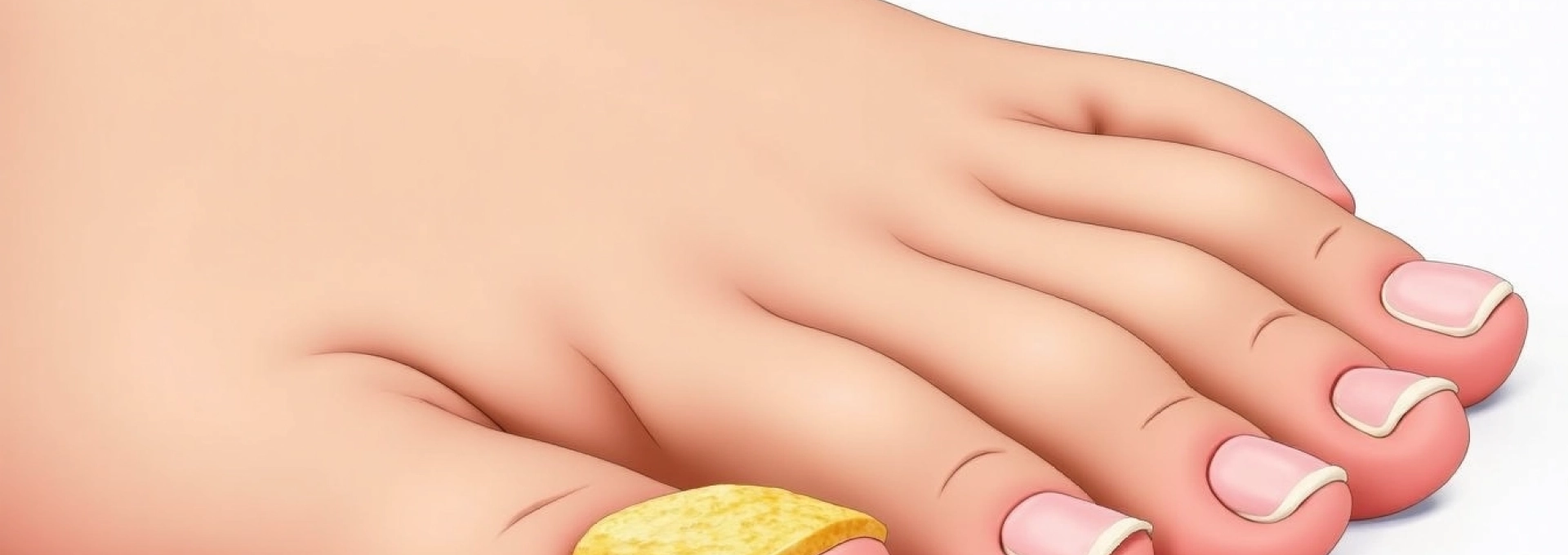
Soft corns on the pinky toe represent one of the most common yet frequently misunderstood podiatric conditions affecting the fifth digit. These painful lesions, medically termed heloma molle , develop between the toes where moisture and pressure create ideal conditions for hyperkeratotic tissue formation. Unlike their harder counterparts found on weight-bearing surfaces, soft corns present unique diagnostic and therapeutic challenges that require specialised understanding of interdigital biomechanics.
The prevalence of soft corns has increased significantly in recent years, particularly among individuals who spend extended periods in restrictive footwear. Professional athletes, office workers wearing narrow dress shoes, and fashion-conscious individuals frequently present with these painful lesions that can severely impact mobility and quality of life. Understanding the complex interplay between anatomical predisposition, biomechanical factors, and environmental conditions becomes crucial for effective management and prevention.
Anatomical structure and biomechanics of fifth digit soft corns
The anatomical complexity of the fifth toe creates a unique environment where soft corns predominantly develop. The interdigital space between the fourth and fifth toes contains specialised tissue structures that differ significantly from other toe spaces, making this area particularly susceptible to heloma molle formation.
Interdigital space pressure dynamics between fourth and fifth toes
The narrow interdigital space between the fourth and fifth toes experiences concentrated pressure forces during normal gait cycles. This confined area becomes a pressure cooker where even minimal additional compression from ill-fitting footwear can trigger pathological tissue responses. The lateral aspect of the fifth toe bears substantial pressure during the toe-off phase of walking, whilst the medial surface of the fourth toe receives reciprocal forces.
Research indicates that pressure measurements in this interdigital space can exceed 150% of normal skin tolerance levels when wearing shoes with inadequate toe box width. These elevated pressure readings explain why soft corns develop more rapidly in this location compared to other interdigital spaces, where anatomical positioning provides greater natural cushioning.
Hyperkeratotic tissue formation in proximal interphalangeal joint areas
Hyperkeratotic tissue formation occurs as a protective mechanism when keratinocytes respond to chronic pressure and friction stimuli. In the case of soft corns, this process becomes complicated by the unique moisture-rich environment of the interdigital space. The proximal interphalangeal joint areas of both the fourth and fifth toes contribute to corn development through bony prominences that create focal pressure points.
The cellular response involves accelerated keratinocyte proliferation and altered differentiation patterns, resulting in the characteristic soft, white appearance of heloma molle . Unlike hard corns, where keratinisation proceeds normally, soft corns maintain higher moisture content due to reduced evaporation rates in the enclosed interdigital environment.
Sebaceous gland dysfunction and moisture retention mechanisms
Sebaceous gland activity in the interdigital spaces plays a crucial role in maintaining skin barrier function and moisture balance. When mechanical pressure disrupts normal sebaceous secretion, the skin’s natural protective mechanisms become compromised. This disruption leads to altered lipid composition in the stratum corneum, creating conditions favourable for pathological hyperkeratosis.
Moisture retention mechanisms become particularly problematic in individuals with hyperhidrosis or those who wear occlusive footwear for extended periods. The combination of increased perspiration and reduced air circulation creates a maceration effect that softens the hyperkeratotic tissue, giving soft corns their characteristic appearance and texture.
Plantar flexor digitorum longus tendon stress distribution patterns
The plantar flexor digitorum longus tendon system influences digital positioning and pressure distribution across the fifth toe. Abnormal tendon tension or imbalanced muscle activity can alter the natural alignment of the digit, creating abnormal contact points between adjacent toes. These biomechanical alterations contribute significantly to the development and persistence of soft corns.
Tendon stress patterns become particularly relevant in individuals with underlying foot deformities such as hammertoes or claw toes. The altered mechanics result in increased interdigital pressure and reduced natural spacing between the fourth and fifth digits, creating ideal conditions for heloma molle formation.
Primary aetiological factors contributing to heloma molle development
Understanding the root causes of soft corn development requires examination of multiple contributing factors that often work synergistically to create pathological conditions. These aetiological factors range from external mechanical causes to intrinsic anatomical predispositions that cannot be easily modified.
Ill-fitting footwear and toe box compression syndrome
Ill-fitting footwear represents the primary modifiable risk factor for soft corn development. Shoes with inadequate toe box width, excessive tapering, or inappropriate last construction force the toes into unnatural positions, creating abnormal pressure points between digits. Modern fashion trends favouring pointed-toe shoes have contributed significantly to increased incidence rates of interdigital corns.
Toe box compression syndrome occurs when footwear systematically compresses the forefoot, reducing the natural spacing between toes. This compression effect becomes particularly problematic during weight-bearing activities when ground reaction forces combine with shoe pressure to create intense interdigital loading. Professional measurements indicate that many individuals wear shoes at least one size too narrow, unknowingly predisposing themselves to soft corn development.
The relationship between footwear choices and soft corn development cannot be overstated – even short periods in inappropriate shoes can trigger the initial tissue changes that lead to chronic corn formation.
Hammertoe deformity and digital contracture complications
Hammertoe deformities of the fourth or fifth digits create fixed flexion contractures that alter normal interdigital spacing and pressure distribution. These structural abnormalities position the affected digits in compromised positions where normal shoe accommodation becomes impossible, leading to increased friction and pressure between adjacent toes.
Digital contracture complications extend beyond simple positional changes to include alterations in soft tissue mechanics and joint capsule integrity. The contracted position places surrounding ligaments and tendons under chronic tension, creating a cascade of biomechanical changes that perpetuate abnormal pressure patterns even when appropriate footwear is worn.
Hyperhidrosis and Maceration-Induced keratinocyte proliferation
Hyperhidrosis, or excessive sweating, creates ideal conditions for soft corn development through multiple mechanisms. Increased moisture levels in the interdigital spaces promote bacterial growth, alter skin pH, and create maceration effects that compromise normal skin barrier function. This moisture-rich environment allows normally protective hyperkeratotic tissue to become softened and painful.
Maceration-induced keratinocyte proliferation occurs when prolonged moisture exposure triggers abnormal cellular responses in the epidermis. The softened tissue becomes more susceptible to mechanical trauma, creating a cycle where minor pressure insults result in disproportionate tissue responses and accelerated corn development.
Biomechanical gait abnormalities and excessive lateral pressure
Biomechanical gait abnormalities often contribute to soft corn development through altered pressure distribution patterns during walking and running. Conditions such as excessive pronation, supination, or lateral weight shifting create abnormal loading patterns that affect digital positioning and interdigital pressure relationships.
Excessive lateral pressure during the propulsive phase of gait places the fifth toe under increased stress whilst simultaneously forcing it into closer contact with the fourth digit. These altered mechanics become particularly problematic in individuals with pre-existing foot deformities or muscle imbalances that cannot adequately compensate for abnormal loading patterns.
Clinical differential diagnosis of soft corn versus hard corn pathology
Accurate differential diagnosis between soft and hard corns requires comprehensive understanding of their distinct clinical presentations, anatomical locations, and pathophysiological characteristics. Soft corns present as whitish, rubbery lesions typically found in interdigital spaces, whilst hard corns appear as yellowish, well-demarcated lesions on weight-bearing surfaces or bony prominences.
The diagnostic process involves careful examination of lesion characteristics, including texture, colour, location, and surrounding tissue changes. Soft corns often present with surrounding maceration, erythema, and occasionally secondary bacterial infections due to the moist environment. The central core of a soft corn appears less defined compared to the sharp, conical nucleus typical of hard corns, reflecting differences in keratinisation processes and environmental influences.
Clinical differentiation becomes particularly important when planning treatment approaches, as soft corns require moisture management and interdigital pressure reduction, whilst hard corns respond better to direct pressure offloading and mechanical debridement. Misdiagnosis can lead to inappropriate treatment selection and poor clinical outcomes, emphasising the importance of thorough clinical assessment.
The key diagnostic distinction lies not just in appearance but in understanding the underlying pathophysiology – soft corns represent a unique response to interdigital pressure and moisture that requires specialised management approaches.
Advanced diagnostic considerations include assessment for underlying structural abnormalities that may predispose to recurrent soft corn development. Digital radiographs can reveal bony prominences, joint deformities, or alignment issues that contribute to abnormal pressure patterns. Additionally, evaluation of footwear patterns and gait biomechanics provides valuable information for comprehensive treatment planning.
Conservative treatment protocols for pinky toe soft corns
Conservative treatment approaches form the foundation of soft corn management, offering effective relief for most patients whilst avoiding the risks and complications associated with surgical interventions. These protocols focus on addressing the underlying causes whilst providing symptomatic relief and preventing recurrence.
Topical keratolytic agents including salicylic acid and urea formulations
Topical keratolytic agents represent first-line treatment for soft corn management, with salicylic acid concentrations between 12-40% proving most effective for controlled tissue removal. These agents work by breaking down the protein bonds within hyperkeratotic tissue, allowing for gradual debridement of the corn. Urea formulations at concentrations of 20-40% provide additional benefits through their dual keratolytic and moisturising properties.
Application protocols typically involve careful preparation of the surrounding healthy skin with protective barriers, followed by precise application of the keratolytic agent to the corn tissue only. Treatment duration varies from 5-14 days depending on tissue thickness and patient response, with regular monitoring essential to prevent damage to surrounding healthy tissue.
Mechanical debridement techniques using scalpel and curette methods
Professional mechanical debridement provides immediate relief through systematic removal of hyperkeratotic tissue using sterile scalpel and curette techniques. This procedure requires expertise in recognising tissue planes and avoiding damage to viable epidermis and underlying dermal structures. The soft, macerated nature of heloma molle often makes debridement easier compared to hard corns, though care must be taken to address the entire lesion.
Post-debridement care includes thorough cleansing, application of antimicrobial agents, and implementation of moisture management strategies to prevent rapid recurrence. Patients typically experience immediate symptomatic relief, though the underlying causes must be addressed to achieve long-term success.
Orthotic interventions with toe separators and metatarsal pads
Orthotic interventions focus on reducing interdigital pressure and improving toe alignment through strategically placed devices. Toe separators manufactured from silicone or foam materials help maintain proper spacing between the fourth and fifth toes, reducing friction and pressure. These devices must be carefully sized and positioned to avoid creating additional pressure points whilst providing effective separation.
Metatarsal pads work by redistributing pressure across the forefoot, reducing excessive loading on the fifth metatarsophalangeal joint area. The optimal placement of these pads requires understanding of individual foot anatomy and gait patterns, with custom fabrication often providing superior results compared to off-the-shelf products.
Protective padding systems and silicone gel toe sleeves
Protective padding systems offer immediate symptomatic relief whilst addressing the underlying pressure-related causes of soft corn development. Modern silicone gel materials provide excellent pressure distribution whilst maintaining flexibility and comfort during daily activities. These sleeves can be custom-fabricated to accommodate individual toe anatomy and specific pressure patterns.
Advanced padding systems incorporate moisture-wicking properties and antimicrobial treatments to address the unique challenges of the interdigital environment. The selection of appropriate materials and designs requires consideration of patient lifestyle, activity levels, and footwear requirements to ensure optimal compliance and effectiveness.
Surgical intervention options for recurrent heloma molle cases
Surgical intervention becomes necessary when conservative treatments fail to provide adequate relief or when underlying structural abnormalities prevent successful non-operative management. These procedures aim to address the root mechanical causes of soft corn development through correction of digital deformities or removal of problematic bony prominences.
Digital arthroplasty represents one surgical option where removal of the proximal interphalangeal joint addresses fixed contractures that contribute to interdigital pressure. This procedure involves careful resection of articular surfaces whilst maintaining digital stability and function. Post-operative outcomes generally show good pain relief and reduced recurrence rates, though patients must understand the permanent nature of joint removal.
Exostectomy procedures target specific bony prominences that create focal pressure points contributing to soft corn development. These minimally invasive techniques can be performed under local anaesthesia with rapid recovery times. Careful pre-operative planning using advanced imaging helps identify the precise anatomical contributors to the patient’s condition.
Surgical success depends not only on technical execution but on comprehensive pre-operative assessment to identify all contributing factors and realistic post-operative expectations regarding activity modification and footwear choices.
Combined procedures may be necessary when multiple anatomical factors contribute to soft corn development. These might include digital arthroplasty with tendon lengthening or exostectomy combined with soft tissue releases. The complexity of combined procedures requires careful surgical planning and extended rehabilitation protocols to achieve optimal outcomes.
Preventative strategies and Long-Term management protocols
Long-term prevention of soft corn recurrence requires comprehensive understanding of the multiple factors that contribute to their development and systematic approaches to address each contributing element. Successful prevention strategies must be sustainable and adaptable to individual lifestyle requirements whilst maintaining effectiveness over extended periods.
Footwear modification represents the cornerstone of prevention, with emphasis on proper fitting techniques that account for foot width, length, and volume changes throughout the day. Professional fitting should occur during afternoon hours when feet are naturally more swollen, ensuring adequate space for normal physiological expansion. The toe box should provide sufficient width to prevent digital compression whilst maintaining adequate depth to accommodate any toe deformities.
Daily foot care routines become essential for individuals with a history of soft corn development. These protocols include thorough cleaning and drying of interdigital spaces, application of moisture-controlling powders or antifungal preparations, and regular inspection for early signs of tissue changes. Moisturising protocols must balance the need for skin suppleness with the requirement to prevent excessive moisture retention in interdigital spaces.
Professional monitoring schedules should be established based on individual risk factors and recurrence patterns. Patients with diabetes, peripheral vascular disease, or immunocompromised conditions require more frequent professional assessment due to their increased risk of complications. Regular professional debridement can prevent minor hyperkeratotic changes from progressing to painful soft corns.
Environmental modifications extend beyond footwear to include workplace accommodations, activity modifications, and seasonal adjustments that account for changing foot conditions throughout the year. Understanding how different activities and environmental conditions affect individual patients allows for proactive management strategies that prevent rather than merely treat soft corn development.