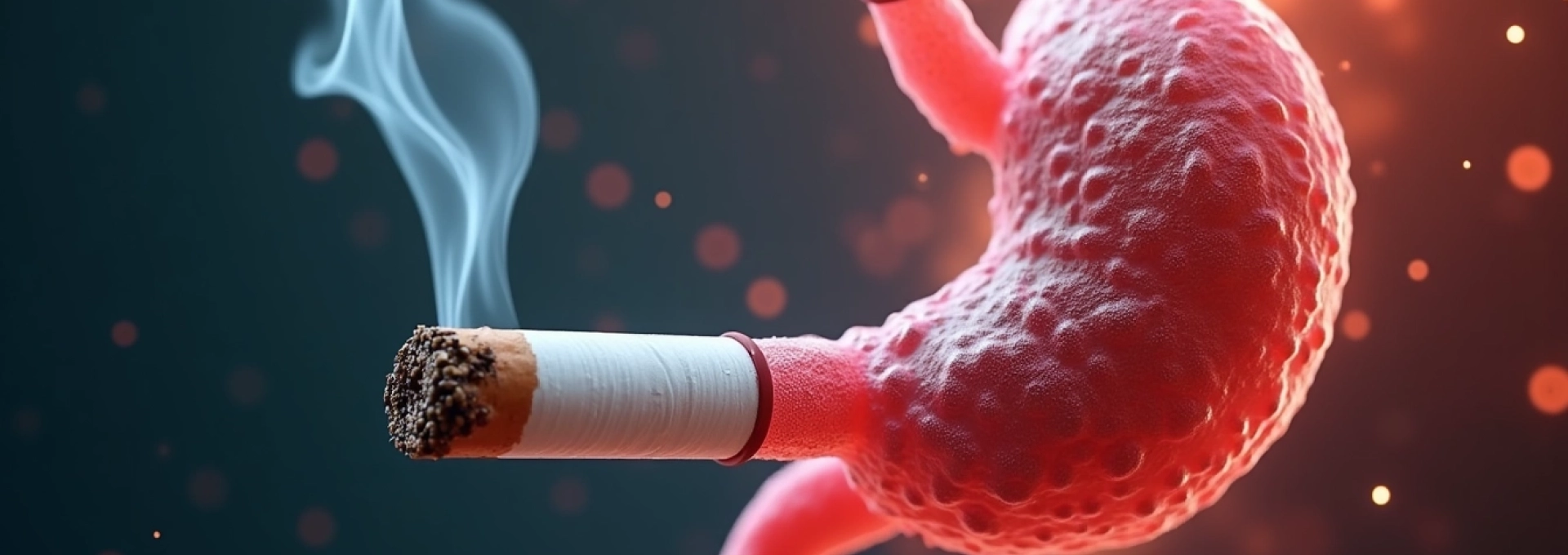
The relationship between tobacco consumption and pancreatic cancer represents one of the most significant modifiable risk factors in oncology today. Research consistently demonstrates that smoking cigarettes doubles an individual’s risk of developing pancreatic cancer compared to those who have never smoked. This devastating disease, which affects approximately 10,000 people annually in the United Kingdom alone, has maintained its position as one of the most lethal forms of cancer, with a five-year survival rate of less than 10%. The carcinogenic compounds present in tobacco smoke don’t merely irritate the respiratory system—they infiltrate the bloodstream and directly target pancreatic cells, initiating a cascade of molecular changes that can ultimately lead to malignant transformation.
Understanding the mechanisms behind this connection has become increasingly crucial as researchers work to identify early detection methods and preventive strategies. The pancreas, a vital organ responsible for both digestive enzyme production and blood sugar regulation, becomes particularly vulnerable to the toxic effects of tobacco-derived carcinogens. What makes this relationship especially concerning is that pancreatic cancer often develops silently, with symptoms appearing only in advanced stages when treatment options become significantly limited.
Carcinogenic compounds in tobacco smoke and pancreatic cell damage
Tobacco smoke contains over 70 known carcinogenic compounds that directly contribute to pancreatic cancer development. These toxic substances enter the bloodstream through the lungs and eventually reach pancreatic tissue, where they initiate cellular damage at the molecular level. The concentration of these carcinogens in pancreatic tissue can be surprisingly high, particularly in long-term smokers who have accumulated decades of exposure.
The most dangerous compounds include polycyclic aromatic hydrocarbons, nitrosamines, benzopyrene, formaldehyde, and acetaldehyde. Each of these substances targets different aspects of pancreatic cell function, creating a multi-faceted assault on normal cellular processes. Research has shown that even passive exposure to these compounds through secondhand smoke can increase pancreatic cancer risk, though to a lesser degree than active smoking.
Polycyclic aromatic hydrocarbons and KRAS gene mutations
Polycyclic aromatic hydrocarbons (PAHs) represent one of the most potent groups of carcinogens found in tobacco smoke. These compounds have a particular affinity for the KRAS gene, which plays a crucial role in cellular growth regulation. When PAHs interact with pancreatic cells, they frequently cause mutations in the KRAS oncogene, which occurs in approximately 90% of pancreatic adenocarcinomas.
The KRAS mutation represents an early event in pancreatic carcinogenesis, often preceding other genetic alterations by several years. This makes understanding the PAH-KRAS interaction particularly important for developing early detection strategies. Research indicates that smokers show significantly higher rates of KRAS mutations in their pancreatic tissue compared to non-smokers, establishing a clear mechanistic link between tobacco exposure and cancer initiation.
Nitrosamines and DNA adduct formation in pancreatic tissue
Nitrosamines, another class of powerful carcinogens present in tobacco smoke, cause DNA damage through the formation of DNA adducts. These chemical modifications to genetic material prevent normal DNA repair mechanisms from functioning effectively, leading to permanent genetic alterations. Studies have demonstrated that pancreatic tissue from smokers contains significantly higher levels of nitrosamine-induced DNA adducts compared to non-smokers.
The formation of these DNA adducts occurs predominantly in the ductal epithelium of the pancreas, which is precisely where most pancreatic adenocarcinomas originate. This spatial correlation provides compelling evidence for the direct causal relationship between nitrosamine exposure and pancreatic cancer development. The persistence of these DNA modifications helps explain why former smokers continue to have elevated cancer risk for years after cessation.
Benzopyrene-induced oxidative stress in acinar cells
Benzopyrene, a highly carcinogenic compound found in tobacco smoke, generates significant oxidative stress within pancreatic acinar cells. These cells, responsible for producing digestive enzymes, become particularly vulnerable to benzopyrene-induced damage due to their high metabolic activity. The oxidative stress created by benzopyrene overwhelms the cellular antioxidant defence systems, leading to widespread cellular damage.
This oxidative damage affects multiple cellular components, including mitochondria, cell membranes, and proteins essential for normal pancreatic function. The chronic inflammation resulting from this oxidative stress creates an environment conducive to cancer development. Research has shown that acinar cells exposed to benzopyrene exhibit increased rates of cellular transformation and loss of normal growth control mechanisms.
Formaldehyde and acetaldehyde impact on pancreatic stellate cells
Formaldehyde and acetaldehyde, two additional carcinogens present in tobacco smoke, specifically target pancreatic stellate cells. These cells play a crucial role in maintaining pancreatic tissue architecture and responding to injury. When exposed to these aldehydes, pancreatic stellate cells become activated and begin producing excessive amounts of collagen and other fibrous proteins.
This activation leads to pancreatic fibrosis, a condition characterised by the formation of scar tissue throughout the pancreas. The fibrotic environment not only impairs normal pancreatic function but also creates conditions that promote cancer development. The combination of chronic inflammation and fibrosis establishes a microenvironment that supports malignant transformation and tumour progression.
Epidemiological evidence from major cohort studies
Large-scale epidemiological studies have consistently demonstrated the strong association between smoking and pancreatic cancer across diverse populations. These comprehensive research efforts, spanning decades and involving hundreds of thousands of participants, provide robust evidence for the causal relationship between tobacco use and pancreatic malignancy. The consistency of findings across different geographical regions, ethnic groups, and study designs strengthens the scientific consensus regarding this connection.
The epidemiological evidence reveals several important patterns, including dose-response relationships, temporal associations, and risk reduction following smoking cessation. These studies have also identified specific smoking characteristics that influence cancer risk, such as the type of tobacco used, smoking intensity, and duration of exposure. Understanding these patterns helps inform both prevention strategies and risk assessment protocols.
European prospective investigation into cancer and nutrition (EPIC) findings
The EPIC study, involving over 520,000 participants across ten European countries, represents one of the most comprehensive investigations of smoking and pancreatic cancer risk. This massive cohort study followed participants for an average of 11 years, documenting over 800 cases of pancreatic cancer. The findings revealed that current smokers had a 74% increased risk of developing pancreatic cancer compared to never-smokers.
Particularly noteworthy was the study’s demonstration of a clear dose-response relationship, with heavier smokers showing progressively higher cancer risk. The research also identified that the type of tobacco products used influenced risk levels, with black tobacco showing stronger associations with pancreatic cancer than blonde tobacco varieties. These findings have influenced smoking cessation guidelines and risk assessment protocols across Europe.
Nurses’ health study and health professionals follow-up study data
The combined analysis of these two landmark American cohort studies, encompassing over 140,000 healthcare professionals, provided crucial insights into the temporal aspects of smoking-related pancreatic cancer risk. Following participants for up to 32 years, researchers documented significant associations between smoking status and cancer incidence, with current smokers showing approximately double the risk of never-smokers.
One of the most important contributions of these studies was the demonstration that smoking cessation leads to gradual risk reduction over time. Former smokers who had quit for more than 15 years showed cancer risks approaching those of never-smokers, providing strong motivation for cessation efforts. The studies also revealed that the benefits of quitting smoking begin relatively quickly, with measurable risk reduction apparent within five years of cessation.
Million women study pancreatic cancer risk assessment
This British cohort study, following over one million women for an average of 14 years, provided unique insights into gender-specific aspects of smoking and pancreatic cancer risk. The study documented 1,417 cases of pancreatic cancer and found that current smokers had a 60% increased risk compared to never-smokers. Interestingly, the study revealed that the smoking-pancreatic cancer association was slightly stronger in younger women compared to older participants.
The research also examined the impact of different smoking characteristics, including age at smoking initiation and smoking intensity. Women who began smoking before age 17 showed particularly elevated cancer risks, suggesting that early exposure to tobacco carcinogens may have lasting effects on pancreatic cancer susceptibility. These findings have important implications for youth smoking prevention programmes.
Meta-analysis results from bosetti and lucenteforte research
Comprehensive meta-analyses combining data from multiple studies have provided the most robust estimates of smoking-related pancreatic cancer risk. Research by Bosetti and colleagues, analysing 82 studies encompassing over 60,000 cases, confirmed that cigarette smoking increases pancreatic cancer risk by approximately 74% in current smokers and 20% in former smokers compared to never-smokers.
These meta-analyses have been instrumental in establishing evidence-based guidelines for cancer prevention and risk assessment. The pooled data revealed consistent patterns across different populations and study designs, strengthening confidence in the causal relationship between smoking and pancreatic cancer. The magnitude of risk increase documented in these analyses has positioned smoking as one of the most important modifiable risk factors for pancreatic cancer.
Molecular mechanisms of Smoking-Induced pancreatic carcinogenesis
The molecular pathways through which tobacco carcinogens induce pancreatic cancer involve complex interactions between multiple cellular systems. These mechanisms operate at the genetic, epigenetic, and cellular levels, creating a cascade of alterations that ultimately lead to malignant transformation. Understanding these pathways has become crucial for developing targeted prevention strategies and early detection methods.
The carcinogenic process typically involves the accumulation of multiple genetic alterations over time, with each mutation conferring additional growth advantages to affected cells. Tobacco carcinogens appear to accelerate this process by simultaneously targeting multiple cellular pathways involved in growth control, DNA repair, and apoptosis. This multi-target approach helps explain why smoking has such a profound impact on pancreatic cancer risk.
p53 tumour suppressor gene inactivation pathways
The p53 gene, often referred to as the “guardian of the genome,” plays a crucial role in preventing cancer development by detecting DNA damage and either repairing it or triggering cell death. Tobacco carcinogens frequently target p53 function through multiple mechanisms, including direct DNA binding, epigenetic modifications, and interference with p53 protein stability. Studies have shown that p53 mutations occur in approximately 75% of pancreatic adenocarcinomas, with higher rates observed in tumours from smokers.
The inactivation of p53 function represents a critical step in pancreatic carcinogenesis, as it allows cells with DNA damage to survive and proliferate rather than undergo programmed cell death. This loss of genomic stability enables the accumulation of additional mutations that drive cancer progression. The timing of p53 inactivation appears to be particularly important, often occurring early in the carcinogenic process and facilitating subsequent genetic alterations.
SMAD4 gene alterations and TGF-β signalling disruption
The SMAD4 gene, which encodes a key component of the transforming growth factor-β (TGF-β) signalling pathway, becomes frequently altered in smoking-related pancreatic cancers. TGF-β normally functions as a tumour suppressor by inhibiting cell growth and promoting differentiation. However, when SMAD4 function is compromised by tobacco carcinogens, this protective mechanism is lost, allowing uncontrolled cellular proliferation.
Research has demonstrated that SMAD4 alterations occur in approximately 55% of pancreatic adenocarcinomas, with smoking appearing to increase both the frequency and severity of these genetic changes. The loss of SMAD4 function also contributes to the invasive and metastatic properties of pancreatic cancer cells, helping explain the aggressive nature of smoking-related pancreatic tumours. This pathway disruption represents a key mechanism through which tobacco use promotes not only cancer initiation but also progression to advanced disease.
Chronic inflammation and NF-κB pathway activation
Chronic inflammation induced by tobacco carcinogens plays a fundamental role in pancreatic cancer development through activation of the nuclear factor-κB (NF-κB) pathway. This inflammatory cascade creates a tissue microenvironment that promotes cellular transformation, supports tumour growth, and facilitates metastatic spread. Studies have shown that pancreatic tissue from smokers exhibits significantly elevated levels of inflammatory markers compared to non-smokers.
The NF-κB pathway activation leads to increased production of pro-inflammatory cytokines, growth factors, and angiogenic factors that collectively create conditions conducive to cancer development. This inflammatory environment also suppresses normal immune surveillance mechanisms, allowing pre-cancerous and cancerous cells to evade detection and destruction. The persistence of this inflammatory state helps explain why smoking-related cancer risk remains elevated for years after smoking cessation.
Pancreatic intraepithelial neoplasia (PanIN) progression
Pancreatic intraepithelial neoplasia (PanIN) lesions represent precancerous changes that frequently progress to invasive pancreatic adenocarcinoma. Tobacco carcinogens accelerate the development and progression of PanIN lesions through multiple mechanisms, including genetic mutations, epigenetic alterations, and chronic inflammation. Research has demonstrated that smokers develop PanIN lesions at younger ages and show more rapid progression to high-grade dysplasia compared to non-smokers.
The progression from low-grade PanIN lesions to invasive cancer typically involves the sequential accumulation of genetic alterations in key genes such as KRAS, p53, and SMAD4. Smoking appears to accelerate this process by increasing mutation rates and promoting the survival of genetically altered cells. Understanding PanIN progression has important implications for early detection strategies, as these lesions may be detectable before invasive cancer develops.
Dose-response relationship and temporal risk patterns
The relationship between smoking exposure and pancreatic cancer risk demonstrates classic dose-response characteristics, with cancer risk increasing proportionally to both smoking intensity and duration. This pattern provides strong evidence for a causal relationship and helps quantify the magnitude of risk associated with different smoking patterns. Research indicates that pack-years of smoking—calculated by multiplying the number of packs smoked per day by the number of years of smoking—serves as the most reliable predictor of pancreatic cancer risk.
Studies have consistently shown that individuals with smoking histories exceeding 40 pack-years face particularly elevated cancer risks, with some research suggesting risk increases of 300% or more compared to never-smokers. The temporal patterns of risk are equally important, with evidence suggesting that the timing of smoking exposure during life may influence cancer susceptibility. Early smoking initiation, particularly during adolescence, appears to confer disproportionately high risks, possibly due to increased vulnerability of developing pancreatic tissue to carcinogenic damage.
Interestingly, recent research has identified that the type of cigarettes smoked also influences risk levels. Non-filtered cigarettes, black tobacco varieties, and cigarettes with higher tar content show stronger associations with pancreatic cancer compared to filtered cigarettes and blonde tobacco products. These findings have important implications for understanding historical trends in pancreatic cancer incidence and for assessing risks associated with different tobacco products currently available in global markets.
Research demonstrates that every additional year of smoking increases pancreatic cancer risk by approximately 2-3%, while each additional pack per day increases risk by 15-20%, creating a cumulative effect that can result in dramatically elevated cancer risks among heavy, long-term smokers.
Smoking cessation impact on pancreatic cancer risk reduction
One of the most encouraging aspects of the smoking-pancreatic cancer relationship is the evidence demonstrating that risk reduction begins relatively quickly after smoking cessation. Meta-analyses of multiple studies have shown that pancreatic cancer risk starts declining within five years of quitting smoking, with continued improvements over subsequent decades. This risk reduction follows a predictable pattern, with the most rapid improvements occurring during the first decade after cessation.
Research indicates that former smokers who have abstained from tobacco for 10-15 years show cancer risks approximately 40-50% lower than current smokers, though still elevated compared to never-smokers. The most dramatic risk reductions occur in individuals who quit before age 50 , suggesting that earlier cessation provides disproport
ionately greater protective benefits.The biological mechanisms underlying this risk reduction likely involve the gradual repair of tobacco-induced cellular damage, reduction in chronic inflammation, and restoration of normal cellular growth control mechanisms. However, complete risk normalisation appears to require approximately 20-30 years of abstinence, highlighting the long-lasting impact of tobacco carcinogens on pancreatic tissue. Studies examining former smokers with 20+ years of abstinence have found cancer risks approaching those of never-smokers, providing strong motivation for long-term cessation maintenance.
Importantly, the benefits of smoking cessation extend beyond cancer risk reduction to include improvements in overall pancreatic function, reduced inflammation markers, and enhanced response to diabetes treatments. These additional health benefits underscore the importance of cessation efforts even among individuals with established smoking-related health conditions. Healthcare providers increasingly emphasise that it’s never too late to quit smoking, as pancreatic cancer risk reduction benefits begin accumulating almost immediately after cessation.
Environmental tobacco smoke and passive smoking risks
Exposure to environmental tobacco smoke, commonly known as secondhand smoke, represents an important yet often overlooked risk factor for pancreatic cancer development. Research has consistently demonstrated that non-smokers exposed to tobacco smoke from others face elevated cancer risks, though typically lower than those observed in active smokers. This passive exposure is particularly concerning because it affects individuals who have made the conscious choice not to smoke, yet still face increased health risks due to others’ tobacco use.
Studies examining environmental tobacco smoke exposure have focused on various settings, including household exposure from smoking family members, workplace exposure, and social exposure in public venues. The most significant risks appear to be associated with chronic, high-level exposure, particularly during childhood or early adulthood when pancreatic tissue may be most vulnerable to carcinogenic damage. Children exposed to parental smoking show elevated pancreatic cancer risks extending into adulthood, suggesting that early-life exposure may have lasting consequences for cancer susceptibility.
Research indicates that environmental tobacco smoke contains many of the same carcinogenic compounds found in mainstream smoke, though typically in lower concentrations. However, the involuntary nature of this exposure means that non-smokers may be exposed to these carcinogens for extended periods without the ability to control their exposure levels. Studies have found that spouses of heavy smokers face pancreatic cancer risks approximately 20-30% higher than those married to non-smokers, demonstrating the real-world impact of environmental tobacco smoke exposure.
The implementation of smoke-free legislation in many countries has significantly reduced environmental tobacco smoke exposure in public venues, potentially contributing to long-term reductions in pancreatic cancer incidence. However, private settings such as homes and vehicles continue to represent important sources of exposure, particularly for children and non-smoking adults living with smokers. Educational campaigns emphasising the risks of environmental tobacco smoke exposure have become increasingly important components of comprehensive tobacco control strategies.
Environmental tobacco smoke exposure increases pancreatic cancer risk by approximately 20-30% compared to unexposed individuals, with the highest risks observed among those with childhood exposure or chronic household exposure from smoking family members.
Workplace exposure to environmental tobacco smoke has historically represented a significant source of involuntary exposure, particularly in industries such as hospitality, entertainment, and transportation. Studies of workers in these sectors have documented elevated pancreatic cancer risks associated with occupational tobacco smoke exposure, even among non-smoking employees. The implementation of comprehensive workplace smoking bans has dramatically reduced these exposures, though some workers may still face risks in settings where enforcement is inconsistent or exemptions exist.
Emerging research has also examined the potential risks associated with thirdhand smoke—the residual contamination that remains on surfaces and in dust after smoking has occurred. While the pancreatic cancer risks associated with thirdhand smoke exposure are less well-established than those for active smoking or environmental tobacco smoke, preliminary studies suggest that these residual carcinogens may contribute to long-term health risks. This area of research has important implications for understanding the full scope of tobacco-related health impacts and developing comprehensive protection strategies for non-smokers.