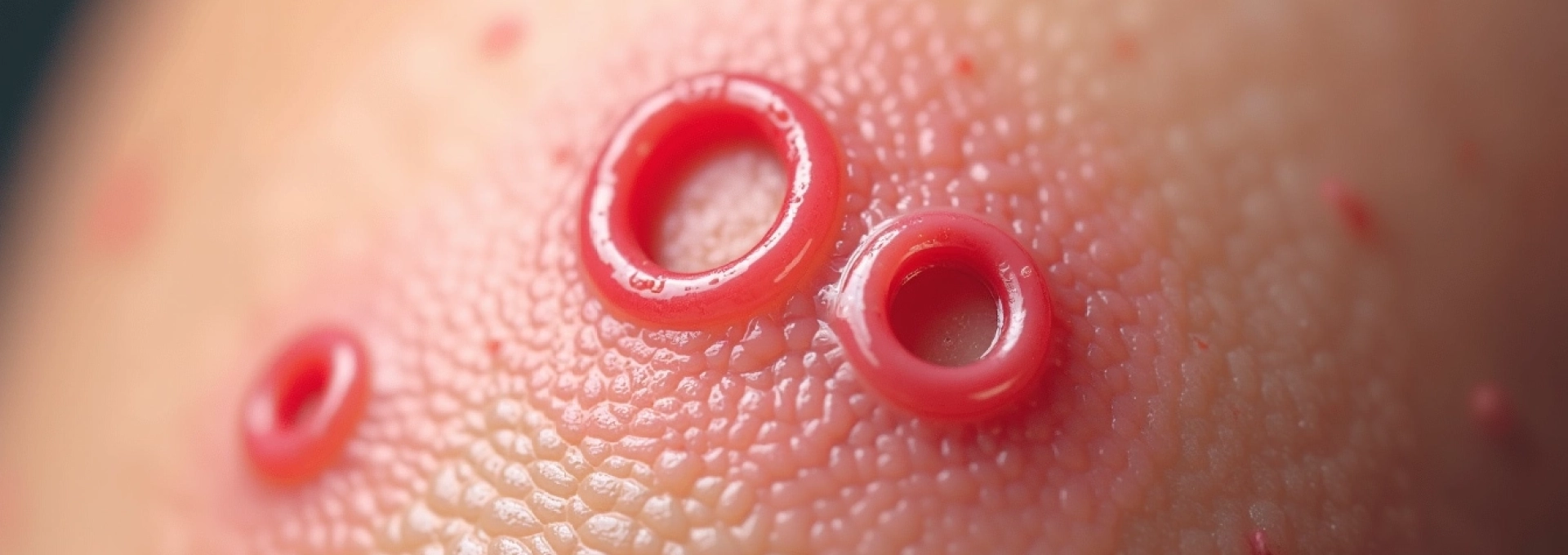
Distinguishing genuine ringworm infections from their numerous clinical mimics represents one of the most challenging diagnostic dilemmas in modern dermatology. The characteristic annular presentation of tinea corporis can be convincingly replicated by various inflammatory, autoimmune, and infectious conditions, leading to misdiagnosis rates exceeding 30% in primary care settings. This diagnostic confusion stems from the shared morphological features that define circular dermatoses, including raised borders, central clearing, and progressive peripheral expansion.
The clinical significance of accurate identification extends far beyond academic interest. Inappropriate antifungal therapy for non-infectious mimics can delay proper treatment for potentially serious underlying conditions such as lupus erythematosus or Lyme disease. Conversely, treating fungal infections with topical corticosteroids can exacerbate the condition, leading to tinea incognito and widespread dissemination. Understanding the subtle diagnostic clues that differentiate these conditions enables healthcare practitioners to implement targeted therapeutic interventions and avoid costly diagnostic delays.
Clinical characteristics of dermatophyte infections versus mimicking conditions
Authentic dermatophyte infections exhibit distinctive clinical features that, when properly recognised, can reliably distinguish them from their non-infectious counterparts. The pathognomonic characteristics of genuine ringworm infections reflect the unique biology of dermatophyte fungi and their interaction with human keratinocytes. These organisms demonstrate a predilection for keratinised tissues, resulting in characteristic inflammatory responses that manifest as specific morphological patterns on clinical examination.
Morphological features of true tinea corporis lesions
Genuine tinea corporis lesions present with several distinctive morphological characteristics that reflect the centrifugal growth pattern of dermatophyte fungi. The classic presentation features a well-demarcated, raised, erythematous border with varying degrees of scaling and vesiculation. This peripheral activity zone represents the advancing hyphal front, where active fungal replication occurs in the stratum corneum. The central clearing phenomenon results from the depletion of available keratin substrates and the host’s inflammatory response to fungal antigens.
The scaling pattern in authentic ringworm infections follows a characteristic distribution, with fine, adherent scales concentrated along the active border. These scales often demonstrate a characteristic “trailing edge” appearance, where partially detached keratinocytes create a distinctive textural quality. The border typically exhibits a rope-like consistency when palpated, reflecting the underlying inflammatory infiltrate and epidermal hyperplasia. Multiple lesions frequently display similar morphological characteristics, suggesting haematogenous or lymphatic dissemination from a primary focus.
KOH microscopy findings in authentic ringworm cases
Potassium hydroxide preparation remains the cornerstone diagnostic technique for confirming dermatophyte infections, with sensitivity rates exceeding 80% when performed correctly. The characteristic microscopic findings include septate hyphae with parallel walls and regular branching patterns, typically measuring 3-5 micrometers in diameter. These fungal elements demonstrate consistent morphological features across different dermatophyte species, though subtle variations in hyphal diameter and branching frequency may suggest specific genera.
Arthrospore formation represents another diagnostic hallmark of dermatophyte infections, particularly in hair shaft involvement. These structures appear as rectangular, thick-walled cells arranged in chains along the hyphal length. The presence of both hyphae and arthrospores in a single specimen strongly supports the diagnosis of active dermatophyte infection. False-negative results commonly occur due to inadequate sampling, improper slide preparation, or prior antifungal therapy, emphasising the importance of proper technique and clinical correlation.
Wood’s lamp fluorescence patterns in microsporum canis infections
Wood’s lamp examination provides valuable diagnostic information in specific dermatophyte infections, particularly those caused by certain Microsporum species. Microsporum canis infections characteristically produce bright blue-green fluorescence under Wood’s lamp illumination, resulting from the production of pteridine compounds within infected hair shafts. This fluorescence pattern appears most prominently in the hair shaft cortex, creating a distinctive “neon-like” appearance that facilitates clinical diagnosis.
However, the diagnostic utility of Wood’s lamp examination has limitations that must be recognised in clinical practice. Only specific dermatophyte species produce characteristic fluorescence patterns, with many common pathogens such as Trichophyton rubrum and Trichophyton mentagrophytes remaining non-fluorescent. Additionally, secondary bacterial colonisation or topical treatments can mask or alter fluorescence patterns, potentially leading to false-negative results. The examination technique requires proper lamp warm-up periods and darkened room conditions to achieve optimal diagnostic sensitivity.
Dermoscopic signs of active fungal border activity
Dermoscopic examination reveals distinctive morphological patterns in active ringworm infections that can aid in clinical diagnosis and differentiate fungal infections from inflammatory mimics. The characteristic dermoscopic features include comma-shaped hairs within the lesion borders, representing broken hair shafts colonised by dermatophyte organisms. These structures appear as dark, curved filaments extending from follicular openings, often accompanied by perifollicular scaling and erythema.
The vascular pattern within ringworm lesions demonstrates specific characteristics under dermoscopic magnification. Active lesions typically show increased vascularity along the peripheral border, manifesting as fine, branching capillary networks. These vascular changes reflect the underlying inflammatory response to fungal antigens and can help distinguish active infections from resolving lesions or non-infectious mimics. The combination of comma hairs and characteristic vascular patterns provides strong dermoscopic evidence supporting fungal aetiology, particularly when correlated with appropriate clinical presentation.
Inflammatory dermatoses presenting with annular morphology
Several common inflammatory skin conditions can present with annular or circular morphology that closely mimics ringworm infections. These conditions represent distinct pathophysiological processes involving autoimmune mechanisms, environmental triggers, or idiopathic inflammatory responses. The clinical challenge lies in recognising the subtle morphological and distributive differences that distinguish these conditions from genuine fungal infections, as treatment approaches differ significantly between these diagnostic categories.
Granuloma annulare histopathological differentiation
Granuloma annulare represents one of the most common ringworm mimics encountered in clinical practice, characterised by distinctive histopathological features that reflect its unique pathogenesis. The condition presents as asymptomatic, flesh-coloured or erythematous papules arranged in annular configurations, typically occurring on the dorsal hands and feet. Unlike ringworm infections, granuloma annulare lesions lack the characteristic scaling and inflammatory border activity that defines dermatophyte infections.
Histopathological examination reveals the pathognomonic features of granuloma annulare, including focal areas of collagen degeneration surrounded by inflammatory granulomas composed of histiocytes and lymphocytes. This distinctive pattern, known as “necrobiosis,” involves the degradation of dermal collagen fibres with subsequent phagocytosis by infiltrating macrophages. The inflammatory infiltrate demonstrates a characteristic palisading arrangement around the central necrobiotic areas, creating the microscopic appearance that defines this condition. Periodic acid-Schiff staining consistently demonstrates the absence of fungal elements, confirming the non-infectious nature of the process.
Erythema migrans borrelia burgdorferi manifestations
Erythema migrans, the pathognomonic cutaneous manifestation of early Lyme disease, presents as an expanding annular erythematous patch that can closely resemble ringworm infections. The condition results from the local inflammatory response to Borrelia burgdorferi spirochetes introduced through infected tick bites. The characteristic “bull’s-eye” appearance develops as the infection spreads centrifugally through dermal tissues, creating concentric rings of erythema with central clearing.
Several clinical features distinguish erythema migrans from ringworm infections, including the typical size at presentation and the associated systemic symptoms. Erythema migrans lesions often exceed 5 centimeters in diameter at initial presentation, significantly larger than typical ringworm lesions. The lesions characteristically lack the scaling and vesiculation commonly associated with fungal infections, instead presenting as smooth, erythematous patches with well-defined borders. The presence of constitutional symptoms such as fever, arthralgia, and fatigue suggests systemic infection and supports the diagnosis of Lyme disease rather than localised fungal infection.
Nummular eczema chronic inflammatory patterns
Nummular eczema, also known as discoid eczema, presents as coin-shaped plaques that can closely mimic ringworm infections, particularly in their early stages of development. The condition typically affects adults with a history of atopic dermatitis or environmental allergies, manifesting as intensely pruritic, circumscribed lesions on the extremities. The pathogenesis involves a complex interplay of barrier dysfunction, environmental triggers, and inflammatory mediator release that results in the characteristic morphological presentation.
The distinguishing features of nummular eczema include the presence of significant pruritus, which is often more intense than that associated with fungal infections. The lesions typically demonstrate a more eczematous quality, with vesiculation, weeping, and crusting that reflects the underlying spongiotic inflammatory process.
The chronicity of nummular eczema lesions, often persisting for months without appropriate treatment, contrasts with the typically progressive nature of untreated ringworm infections.
Additionally, the distribution pattern often follows areas of dry skin or previous trauma, suggesting the role of barrier dysfunction in disease pathogenesis.
Subacute cutaneous lupus erythematosus photodistribution
Subacute cutaneous lupus erythematosus (SCLE) represents an important autoimmune condition that can present with annular lesions closely resembling ringworm infections. The condition occurs in patients with specific autoantibody profiles, particularly anti-Ro/SSA antibodies, and demonstrates a strong association with UV light exposure. The characteristic lesions develop in sun-exposed areas and can present as either papulosquamous or annular morphotypes, with the latter variant creating diagnostic confusion with fungal infections.
The photodistribution pattern serves as a crucial diagnostic clue for SCLE, with lesions characteristically occurring on the face, neck, upper chest, and extensor surfaces of the arms. This distribution reflects the pathogenic role of UV radiation in triggering the autoimmune inflammatory response in genetically susceptible individuals. The presence of other cutaneous features such as photosensitivity, oral ulcers, or scarring alopecia supports the diagnosis of systemic lupus erythematosus and necessitates comprehensive autoimmune evaluation. Laboratory investigation typically reveals positive antinuclear antibodies with specific patterns that correlate with the clinical presentation and prognosis.
Bacterial and parasitic skin conditions mimicking tinea
Several bacterial and parasitic skin conditions can present with circular or annular morphology that closely resembles ringworm infections, creating diagnostic challenges for healthcare practitioners. These infectious conditions involve different pathogenic mechanisms and require specific therapeutic approaches that differ significantly from antifungal treatments. Understanding the clinical presentations and diagnostic features of these conditions prevents inappropriate therapy and ensures optimal patient outcomes.
Impetigo represents one of the most common bacterial skin infections that can mimic ringworm, particularly in its early stages of development. Caused primarily by Staphylococcus aureus or Streptococcus pyogenes , impetigo typically begins as small vesicles or pustules that rupture to form characteristic honey-crusted lesions. The circular expansion pattern can create annular configurations that resemble fungal infections, particularly when multiple lesions coalesce. The key distinguishing features include the presence of purulent material, rapid progression, and the characteristic golden-yellow crusting that defines this bacterial infection.
Cutaneous larva migrans, caused by animal hookworm larvae penetrating human skin, creates characteristic serpentine or circular tracks that can be confused with ringworm infections. The condition typically occurs following contact with contaminated sand or soil, with larvae creating visible tracks as they migrate through the epidermis. The intensely pruritic nature of these lesions and their characteristic progression pattern help distinguish them from fungal infections. The tracks typically advance several millimeters to centimeters daily, creating a dynamic clinical presentation that differs from the more stable progression of ringworm lesions.
Ecthyma, representing the deeper variant of impetigo, can create circular ulcerative lesions with raised borders that mimic advanced ringworm infections. This condition typically affects the lower extremities and occurs more commonly in immunocompromised patients or those with poor hygiene conditions. The presence of significant tissue destruction, purulent drainage, and systemic symptoms helps distinguish ecthyma from superficial fungal infections.
The inflammatory response in bacterial infections typically produces more acute symptoms and rapid progression compared to the more indolent course of most dermatophyte infections.
Autoimmune bullous diseases with circular presentations
Autoimmune bullous diseases occasionally present with annular or circular configurations that can be mistaken for ringworm infections, particularly in their early stages before characteristic blister formation becomes apparent. These conditions involve autoantibody-mediated destruction of intercellular or basement membrane adhesion proteins, resulting in characteristic histopathological and immunofluorescence patterns. The clinical presentations can vary significantly depending on the specific target antigens and the level of tissue involvement.
Bullous pemphigoid, the most common autoimmune bullous disease, can present with urticarial plaques arranged in annular configurations before the development of characteristic tense bullae. The condition typically affects elderly patients and involves autoantibodies directed against hemidesmosomal proteins BP180 and BP230. The premonitory phase can last several weeks to months, during which patients develop intensely pruritic, erythematous plaques that can mimic various inflammatory dermatoses including ringworm. The key diagnostic features include the extreme pruritus, the eventual development of tense blisters on both normal and inflamed skin, and the characteristic histopathological findings.
Linear IgA disease represents another autoimmune bullous condition that can present with annular lesions, particularly in its chronic form. This condition involves IgA autoantibodies directed against various basement membrane zone antigens, creating subepidermal blistering with characteristic immunofluorescence patterns. The “string of pearls” appearance, where small vesicles arrange around the periphery of erythematous plaques, can create circular configurations reminiscent of ringworm infections. The presence of mucosal involvement and the characteristic response to dapsone therapy help distinguish this condition from fungal infections.
Dermatitis herpetiformis, associated with gluten sensitivity and celiac disease, presents with intensely pruritic vesicles that can arrange in circular patterns on extensor surfaces. The condition demonstrates a strong association with HLA-DQ2 and HLA-DQ8 haplotypes and responds dramatically to gluten-free dietary interventions. The characteristic distribution on elbows, knees, buttocks, and scalp, combined with the presence of granular IgA deposits in dermal papillae, distinguishes this condition from ringworm infections. The extreme pruritus often leads to excoriation before vesicles can be observed, creating erosions and crusts that can be confused with infected dermatophyte lesions.
Advanced diagnostic methodologies for differential diagnosis
Modern dermatological practice employs sophisticated diagnostic methodologies to differentiate genuine ringworm infections from their numerous clinical mimics. These advanced techniques provide objective evidence supporting specific diagnoses and enable targeted therapeutic interventions. The selection of appropriate diagnostic modalities depends on clinical presentation, available resources, and the level of diagnostic certainty required for optimal patient management.
PCR amplification of dermatophyte DNA sequences
Polymerase chain reaction (PCR) technology represents the gold standard for definitive diagnosis of dermatophyte infections, offering superior sensitivity and specificity compared to traditional diagnostic methods. Modern PCR assays target conserved gene sequences within dermatophyte genomes, including the internal transcribed spacer (ITS) regions and specific protein-coding genes. These molecular diagnostic platforms can detect fungal DNA even in specimens with low organism burdens or following antifungal therapy that may render culture methods ineffective.
Real-time PCR assays provide quantitative results that correlate with infection severity and can monitor therapeutic response during treatment. The technology enables species-specific identification of dermatophyte pathogens, providing valuable epidemiological information and guiding targeted antifungal therapy selection. The rapi
d turnaround time of molecular diagnostics enables prompt therapeutic intervention and reduces the risk of transmission in infectious cases.
However, PCR methodology requires specialized laboratory facilities and trained personnel, limiting its availability in some clinical settings. The technique demonstrates exceptional sensitivity for detecting dermatophyte DNA, but cannot distinguish between viable organisms and residual genetic material from successfully treated infections. This limitation necessitates careful clinical correlation and may require repeat testing following treatment completion to confirm therapeutic success.
Fungal culture techniques using sabouraud’s dextrose agar
Traditional fungal culture remains an essential diagnostic tool for dermatophyte identification, providing definitive species identification and antifungal susceptibility testing capabilities. Sabouraud’s dextrose agar serves as the standard medium for dermatophyte isolation, with its acidic pH and high carbohydrate content creating optimal growth conditions for most pathogenic fungi. The addition of antibiotics such as chloramphenicol and cycloheximide helps suppress bacterial and saprophytic fungal contamination while permitting dermatophyte growth.
Culture techniques require proper specimen collection and processing to achieve optimal diagnostic yields. Specimens should be collected from the active border of lesions using sterile techniques, with scales, hair, and nail clippings providing the highest organism concentrations. The characteristic colony morphology and microscopic features enable species-specific identification, which guides targeted therapy selection and epidemiological tracking. Dermatophyte test medium (DTM) provides a rapid screening method, producing characteristic color changes in the presence of dermatophyte metabolites.
The primary limitations of culture methodology include prolonged incubation periods, typically requiring 2-4 weeks for definitive results, and reduced sensitivity in patients receiving concurrent antifungal therapy. Additionally, some dermatophyte species demonstrate fastidious growth requirements or atypical morphological presentations that can complicate identification. Despite these limitations, culture remains invaluable for antifungal susceptibility testing, particularly in cases of treatment failure or suspected resistance.
Dermoscopy pattern analysis for non-infectious mimics
Dermoscopic examination provides valuable morphological insights that can distinguish non-infectious circular dermatoses from genuine ringworm infections. Each condition demonstrates characteristic dermoscopic features that reflect underlying pathological processes and can guide diagnostic decision-making. The technique requires specialized equipment and training but offers immediate diagnostic insights during clinical consultation.
Granuloma annulare exhibits distinctive dermoscopic features including a “string of pearls” pattern along lesion borders, representing the characteristic papular morphology of this condition. The absence of scaling and the presence of a translucent quality help distinguish granuloma annulare from fungal infections. Nummular eczema demonstrates prominent scaling patterns with a characteristic “fish scale” appearance under dermoscopic magnification, often accompanied by evidence of excoriation and lichenification.
Subacute cutaneous lupus erythematosus shows characteristic vascular patterns including dilated capillary loops and telangiectasia that reflect the underlying autoimmune vasculopathy. The absence of comma hairs and the presence of atrophic changes help differentiate lupus-related lesions from active fungal infections. Erythema migrans typically lacks the scaling and follicular involvement seen in ringworm, instead showing smooth, homogeneous erythema with well-defined borders.
Histopathological examination with PAS staining protocols
Histopathological examination with periodic acid-Schiff (PAS) staining represents the definitive diagnostic method for confirming fungal infections and excluding non-infectious mimics. The PAS stain specifically highlights fungal cell walls containing chitin and glucans, enabling visualization of hyphal elements and spores within tissue sections. This technique demonstrates superior sensitivity compared to routine hematoxylin and eosin staining for detecting fungal organisms.
The characteristic histopathological features of dermatophyte infections include the presence of septate hyphae within the stratum corneum, often accompanied by neutrophilic inflammation and parakeratosis. The fungal elements typically demonstrate consistent morphological characteristics, with parallel-walled hyphae showing regular branching patterns. PAS-positive material within hair shafts indicates follicular involvement, which commonly occurs in inflammatory tinea corporis infections.
Non-infectious mimics demonstrate distinctive histopathological patterns that enable definitive diagnosis. Granuloma annulare shows characteristic necrobiosis with palisading granulomatous inflammation, while maintaining consistently negative PAS staining for fungal elements. The combination of specific inflammatory patterns and negative fungal staining provides definitive evidence excluding infectious etiology. Lupus erythematosus demonstrates interface dermatitis with basement membrane thickening and dermal mucin deposition, features that are pathognomonic for this autoimmune condition.
Treatment protocol variations based on accurate identification
The therapeutic approach for circular dermatoses varies dramatically depending on accurate diagnostic identification, emphasizing the critical importance of proper differential diagnosis. Inappropriate treatment selection can lead to therapeutic failure, disease progression, and potential complications that could have been avoided with correct initial diagnosis. Understanding the specific treatment protocols for each condition enables healthcare practitioners to implement targeted interventions that optimize patient outcomes while minimizing adverse effects.
Confirmed dermatophyte infections require systemic or topical antifungal therapy depending on lesion characteristics, extent of involvement, and patient-specific factors. Topical antifungals such as terbinafine, clotrimazole, or miconazole provide effective treatment for localized infections, typically requiring 2-4 weeks of continued therapy beyond clinical resolution. Systemic therapy with oral terbinafine, itraconazole, or fluconazole becomes necessary for extensive infections, immunocompromised hosts, or cases demonstrating treatment resistance to topical agents.
Inflammatory conditions require fundamentally different therapeutic approaches that address underlying pathological mechanisms rather than infectious agents. Granuloma annulare often responds to high-potency topical corticosteroids or intralesional corticosteroid injections, though many cases resolve spontaneously without intervention. Nummular eczema requires barrier repair therapy combined with anti-inflammatory treatments, including topical corticosteroids and calcineurin inhibitors for maintenance therapy.
Autoimmune conditions such as lupus erythematosus necessitate systemic immunosuppressive therapy guided by disease activity and organ involvement. Topical corticosteroids provide symptomatic relief, but systemic antimalarials such as hydroxychloroquine often become necessary for disease control. The photosensitive nature of lupus requires aggressive sun protection measures and may necessitate lifestyle modifications to prevent disease exacerbation.
Bacterial infections require appropriate antibiotic therapy selected based on likely pathogens and local resistance patterns. Topical antibiotics such as mupirocin provide effective treatment for localized impetigo, while systemic antibiotics become necessary for extensive infections or signs of systemic involvement. The rapid progression of bacterial skin infections requires prompt therapeutic intervention to prevent complications and reduce transmission risk.
Monitoring therapeutic response provides valuable feedback regarding diagnostic accuracy and treatment effectiveness. Fungal infections typically demonstrate gradual improvement over several weeks, with scaling resolution preceding complete lesion clearance. Failure to respond to appropriate antifungal therapy should prompt diagnostic reconsideration and evaluation for alternative conditions. Inflammatory dermatoses may show more rapid improvement with corticosteroid therapy, though chronic conditions often require long-term management strategies to prevent recurrence.
Patient education represents a crucial component of successful treatment protocols, particularly for chronic conditions requiring ongoing management. Understanding trigger avoidance, proper medication application techniques, and recognition of treatment failure signs empowers patients to participate actively in their care. The psychological impact of chronic skin conditions necessitates comprehensive support that addresses both physical symptoms and quality of life concerns.