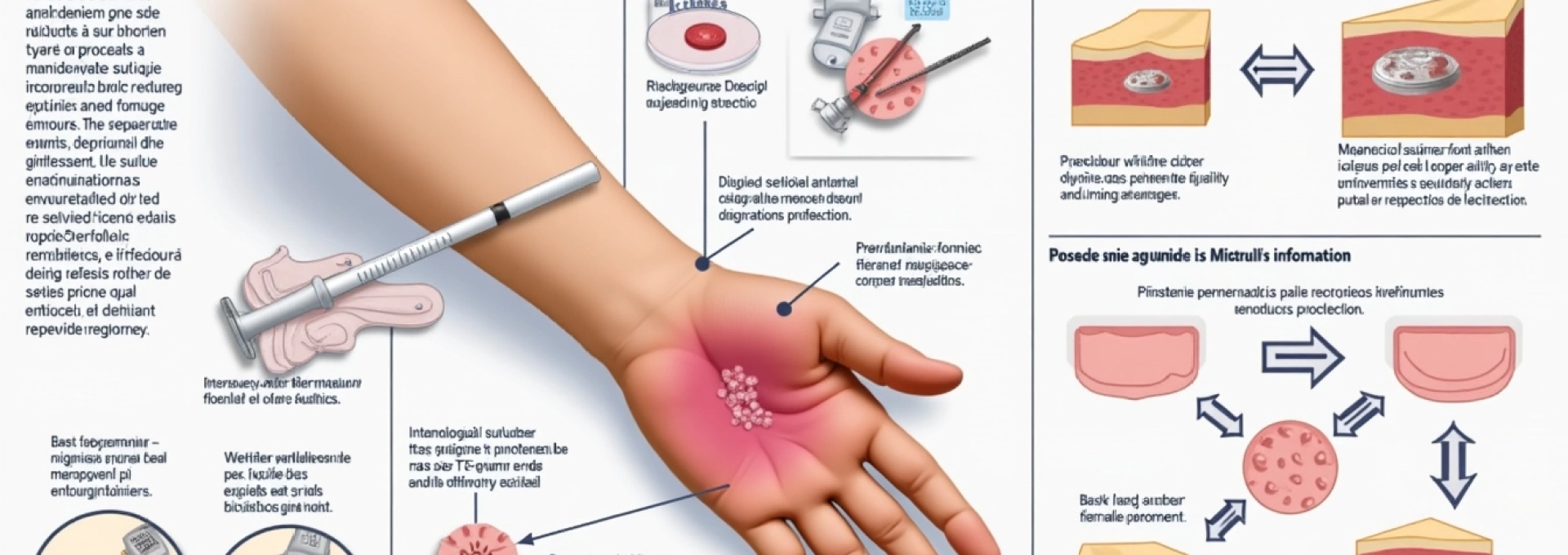
The purified protein derivative (PPD) used in the Mantoux tuberculosis skin test represents one of the most widely employed diagnostic tools in global tuberculosis control programmes. This standardised tuberculin preparation triggers a carefully orchestrated immune response that enables healthcare professionals to identify individuals who have been exposed to Mycobacterium tuberculosis , the causative agent of tuberculosis. Understanding the intricate mechanisms behind PPD function provides crucial insights into both the biological basis of tuberculosis immunity and the practical applications of this essential screening method in clinical practice.
The sophisticated interaction between PPD and the human immune system exemplifies the complex relationship between pathogen recognition and cellular memory responses. When administered through intradermal injection, this carefully prepared antigenic solution initiates a cascade of immunological events that can reveal previous exposure to tuberculosis bacteria, even in the absence of active disease symptoms. The test’s reliability and widespread adoption across diverse healthcare settings underscore its fundamental importance in tuberculosis prevention and control strategies worldwide.
Purified protein derivative composition and manufacturing process
The production of standardised PPD involves a meticulously controlled manufacturing process that ensures consistency and reliability across different batches and geographical regions. This complex procedure transforms raw bacterial cultures into a precisely calibrated diagnostic reagent that meets stringent international quality standards.
Mycobacterium tuberculosis culture extract components
PPD originates from carefully selected strains of Mycobacterium tuberculosis that are cultivated under strictly controlled laboratory conditions. These bacterial cultures are grown in synthetic media containing glycerol, asparagine, and various mineral salts that promote optimal protein production. The cultivation process typically extends over several weeks, allowing the bacteria to produce the full spectrum of antigenic proteins required for effective tuberculin preparation.
The bacterial cultures used in PPD production must demonstrate specific characteristics that ensure antigenic potency and stability. Laboratory technicians monitor growth parameters including pH levels, oxygen concentration, and nutrient availability to optimise protein expression. Temperature control remains critical throughout the cultivation period, as fluctuations can significantly impact the quality and composition of the final tuberculin product.
RT23 standard PPD production methods
The RT23 standard represents the internationally recognised reference preparation for tuberculin production, establishing uniform protocols that enable consistent results across different manufacturers and testing facilities. This standardisation process involves heat treatment of bacterial cultures followed by filtration and concentration procedures that isolate the active protein components while eliminating potentially harmful bacterial remnants.
During the RT23 production process, bacterial cultures undergo controlled heating at specific temperatures designed to denature living organisms while preserving antigenic proteins. The resulting solution passes through multiple filtration stages using progressively finer membranes that remove cellular debris and ensure sterility. Concentration techniques, including precipitation and dialysis, produce a final solution with precisely defined protein concentrations suitable for clinical application.
Quality control parameters for tuberculin units
Tuberculin units (TU) provide the standardised measurement system that ensures consistent dosing across different PPD preparations and manufacturers. Each batch of PPD undergoes rigorous testing to verify its biological activity measured in TU, with standard preparations containing 2 TU or 5 TU per 0.1ml dose depending on regional preferences and clinical protocols.
Quality control procedures include extensive biological testing using guinea pig models that have been sensitised to tuberculosis bacteria. These animal tests measure the inflammatory response produced by different PPD concentrations, enabling precise calibration of tuberculin unit values. Additional quality assessments examine protein stability, sterility, and freedom from contaminating substances that could interfere with test interpretation or cause adverse reactions.
Batch standardisation against WHO reference standards
The World Health Organisation maintains reference standards that serve as the international benchmark for PPD production and quality assessment. Manufacturers must demonstrate that their products produce equivalent biological responses when compared directly against these WHO reference preparations through carefully controlled comparative testing protocols.
Standardisation procedures involve parallel testing of new PPD batches alongside established reference materials using identical testing conditions and measurement criteria. Statistical analysis of response patterns ensures that new preparations fall within acceptable variance ranges compared to reference standards. This rigorous standardisation process maintains consistency in tuberculosis testing programmes across different countries and healthcare systems, enabling reliable interpretation of results regardless of the specific PPD manufacturer or production facility.
Immunological mechanism of Delayed-Type hypersensitivity reaction
The Mantoux test relies on a sophisticated immunological phenomenon known as delayed-type hypersensitivity (DTH), which represents a fundamental component of cellular immune memory. This reaction mechanism enables the detection of previous tuberculosis exposure through the recognition of specific bacterial antigens by specialised immune cells that retain immunological memory of past encounters with mycobacterial proteins.
CD4+ T-Cell activation and memory response
When PPD encounters immune cells in individuals previously exposed to tuberculosis bacteria, specialised CD4+ T-cells recognise the familiar antigenic patterns and initiate a coordinated immune response. These memory T-cells, which were originally activated during the initial tuberculosis exposure, rapidly proliferate and differentiate into effector cells capable of orchestrating local inflammatory reactions.
The activation process involves antigen presentation by dendritic cells and macrophages that process PPD proteins and display them on major histocompatibility complex (MHC) class II molecules. Recognition of these antigen-MHC complexes by specific T-cell receptors triggers intracellular signalling cascades that promote T-cell activation and clonal expansion. Memory T-cell responses typically develop within 12-24 hours following PPD injection, distinguishing them from immediate hypersensitivity reactions mediated by antibodies.
Interferon-gamma release and cytokine cascade
Activated CD4+ T-cells produce interferon-gamma and other inflammatory cytokines that coordinate the recruitment and activation of additional immune cells at the injection site. Interferon-gamma serves as a crucial mediator that enhances macrophage activation and promotes the development of granulomatous inflammation characteristic of tuberculosis-related immune responses.
The cytokine cascade initiated by interferon-gamma release includes the production of interleukin-2, tumour necrosis factor-alpha, and various chemokines that attract inflammatory cells to the injection site. These molecular signals create a positive feedback loop that amplifies the local immune response and contributes to the development of visible skin reactions. The timing and magnitude of cytokine production directly influence the intensity and duration of the observed skin response, making these measurements valuable indicators of immune system reactivity to tuberculosis antigens.
Macrophage recruitment and inflammatory cell infiltration
The inflammatory response triggered by PPD injection involves the recruitment of macrophages, lymphocytes, and other immune cells that migrate from surrounding blood vessels into the injection site. Macrophages play a particularly important role in this process, as they serve both as antigen-presenting cells and as effector cells capable of eliminating potential pathogens through various antimicrobial mechanisms.
Recruited macrophages undergo activation and transformation into epithelioid cells, which aggregate to form granulomatous structures similar to those observed in active tuberculosis lesions. The infiltration process involves complex interactions between adhesion molecules, chemokine gradients, and vascular permeability changes that facilitate immune cell migration from the circulation into tissue spaces. Inflammatory cell accumulation typically peaks between 48-72 hours after PPD injection, coinciding with the optimal timing for test interpretation.
Induration formation through cellular immune response
The characteristic induration or firm swelling observed in positive Mantoux tests results from the accumulation of inflammatory cells and the associated tissue changes produced by their metabolic activity and cytokine production. This induration differs qualitatively from simple inflammatory swelling, as it represents organised cellular infiltration rather than fluid accumulation or vascular congestion.
Induration formation involves the deposition of fibrin and other proteins that contribute to tissue firmness and the characteristic raised appearance of positive reactions. The cellular composition of indurated lesions includes activated macrophages, T-lymphocytes, and various supporting cells that create a structured inflammatory response resembling miniature granulomas. The persistence and measurability of induration make it an ideal endpoint for tuberculosis screening, as the size and firmness of these reactions correlate with the intensity of the underlying immune response to mycobacterial antigens.
The delayed-type hypersensitivity reaction represents one of the most reliable indicators of cellular immunity against tuberculosis, providing healthcare professionals with a window into the patient’s immunological history with mycobacterial pathogens.
Mantoux test administration protocol and technique
Proper administration of the Mantoux test requires precise technique and adherence to established protocols that ensure accurate results and minimise the risk of complications. The standardised procedure involves specific equipment, injection techniques, and documentation requirements that healthcare professionals must follow consistently to maintain test reliability and enable accurate interpretation of results.
Intradermal injection using 27-gauge tuberculin syringe
The Mantoux test utilises specialised tuberculin syringes equipped with 27-gauge needles that facilitate precise intradermal injection of PPD solution. These syringes are specifically designed with short bevels and graduated markings that enable accurate measurement and delivery of the required 0.1ml dose. The fine needle gauge minimises patient discomfort while ensuring proper placement of the tuberculin solution within the dermal layers of the skin.
Healthcare professionals must inspect syringes and needles before use to ensure they are sterile, undamaged, and appropriate for intradermal injection. The syringe should be filled carefully to avoid air bubbles that could interfere with accurate dosing or injection technique. Proper needle positioning requires insertion at a shallow angle of approximately 5-15 degrees to the skin surface, ensuring that the bevel remains visible through the skin during injection.
0.1ml PPD dose placement in forearm dermis
The standard PPD dose of 0.1ml must be placed precisely within the dermal layer of the forearm, typically on the volar surface approximately 5-10 centimetres below the elbow joint. This anatomical location provides optimal conditions for immune cell recruitment and reaction development while minimising interference from clothing or inadvertent trauma that could affect test interpretation.
Site preparation involves cleaning the injection area with alcohol and allowing it to dry completely before needle insertion. The skin should be stretched taut to facilitate smooth needle entry and even distribution of the PPD solution within the dermal tissues. Injection should proceed slowly and steadily to ensure complete delivery of the tuberculin dose and minimise patient discomfort. The injection site requires careful selection to avoid areas with visible blood vessels, scars, or other abnormalities that could interfere with reaction development or measurement.
Wheal formation assessment and documentation
Successful intradermal injection of PPD produces a characteristic wheal or raised area of skin that confirms proper placement of the tuberculin solution within the dermis. This wheal typically measures 6-10mm in diameter and has a pale, raised appearance with clearly defined borders that distinguish it from surrounding normal skin.
Healthcare professionals must document wheal formation immediately following injection, recording its size, appearance, and any unusual characteristics that might affect subsequent interpretation. The presence and characteristics of the initial wheal provide important baseline information for evaluating the delayed hypersensitivity response that develops over the following 48-72 hours. Proper documentation includes noting the exact injection site, date and time of administration, PPD lot number, and any immediate reactions or complications observed during the procedure.
Interpretation criteria and measurement standards
The interpretation of Mantoux test results requires careful measurement and evaluation of the induration that develops at the injection site between 48-72 hours after PPD administration. Healthcare professionals must distinguish between true induration and simple erythema or swelling, as only the firm, palpable induration indicates a positive delayed-type hypersensitivity response to tuberculosis antigens.
Measurement techniques involve palpation to identify the borders of induration followed by precise measurement using calibrated rulers positioned perpendicular to the long axis of the forearm. The diameter of induration should be measured in millimetres and recorded accurately, as interpretation criteria depend on specific size thresholds that vary according to individual risk factors and clinical circumstances. Proper measurement technique requires identifying the edges of firm swelling through gentle palpation, distinguishing these boundaries from any surrounding erythema or soft tissue swelling that may accompany the reaction.
Interpretation criteria for Mantoux test results depend on individual risk factors and epidemiological considerations that influence the likelihood of tuberculosis exposure and progression to active disease. High-risk individuals, including those with HIV infection, immunosuppression, or close tuberculosis contacts, are considered positive with induration diameters of 5mm or greater. Moderate-risk populations, such as healthcare workers, immigrants from high-prevalence countries, and individuals with certain medical conditions, require induration of 10mm or more for positive interpretation.
Individuals with low tuberculosis risk generally require induration of 15mm or greater to be considered positive, reflecting the lower probability of genuine tuberculosis exposure in these populations. These differential interpretation criteria help minimise false-positive results while maintaining sensitivity for detecting clinically significant tuberculosis infection in appropriate populations. Healthcare professionals must consider multiple factors including patient demographics, medical history, and local epidemiological patterns when applying these interpretation standards to individual cases.
Accurate measurement and interpretation of Mantoux test results requires careful consideration of individual risk factors and adherence to established criteria that balance sensitivity and specificity for different patient populations.
Cross-reactivity factors and Non-Tuberculous mycobacteria interference
Cross-reactivity represents a significant limitation of the Mantoux test, as PPD contains antigens that are shared among various mycobacterial species beyond Mycobacterium tuberculosis . Non-tuberculous mycobacteria (NTM), environmental mycobacteria, and previous BCG vaccination can all produce positive reactions that may be indistinguishable from genuine tuberculosis exposure, potentially leading to false-positive results and unnecessary treatment or further investigation.
Environmental exposure to non-tuberculous mycobacteria occurs commonly in many geographical regions, particularly in areas with warm, humid climates where these organisms thrive in water systems, soil, and other environmental reservoirs. Species such as Mycobacterium avium complex , Mycobacterium kansasii , and Mycobacterium marinum share antigenic components with Mycobacterium tuberculosis that can trigger cross-reactive responses in sensitised individuals. The prevalence and clinical significance of NTM cross-reactivity vary considerably between different populations and geographical locations, influencing the predictive value of positive Mantoux tests in specific settings.
BCG vaccination presents another important source of cross-reactivity that complicates Mantoux test interpretation, particularly in countries where BCG immunisation is part of routine childhood vaccination programmes. BCG-related reactivity typically diminishes over time, with most vaccine-induced responses becoming negative within 10-15 years after vaccination. However, some individuals may maintain persistent reactivity that cannot be reliably distinguished from tuberculosis infection based on Mantoux test results alone. Geographic variations in BCG vaccination policies and strain differences contribute to the complexity of interpreting positive reactions in vaccinated populations.
The magnitude of cross-reactive responses generally tends to be smaller than those produced by genuine tuberculosis infection, but significant overlap exists between the two populations. Healthcare professionals must consider vaccination history, geographical origin, and clinical context when evaluating positive Mantoux tests, particularly in low tuberculosis prevalence settings where false-positive results may outnumber true positive cases. Additional testing methods, including interferon-gamma release assays (IGRAs) that demonstrate greater specificity for tuberculosis complex organisms, may be required to clarify ambiguous results and guide appropriate clinical management decisions.
Clinical applications in tuberculosis contact tracing and screening programmes
The Mantoux test serves as a cornerstone of tuberculosis control programmes worldwide, providing essential capabilities for contact investigation, outbreak management, and targeted screening of high-risk populations. Its role extends beyond simple diagnosis to encompass public health surveillance and prevention activities that help reduce tuberculosis transmission and identify individuals who may benefit from preventive treatment interventions.
Contact tracing investigations utilise the Mantoux test to identify individuals who have been infected following exposure to active tuberculosis cases, enabling early detection and treatment of latent infection before progression to active disease occurs. Healthcare professionals systematically test household members, close contacts, and other potentially exposed individuals to map transmission patterns and implement appropriate control measures. The test’s ability to detect infection in asymptomatic individuals makes it particularly valuable for identifying hidden reservoirs of tuberculosis infection that might otherwise remain unrecognised until progression to active, infectious disease.
Institutional screening programmes in healthcare facilities, correctional institutions, and other high-risk settings rely heavily on Mantoux testing to identify infection among staff and residents who face elevated exposure risks. These programmes typically involve baseline testing
followed by annual or biennial retesting to monitor for new infections and ensure early detection of tuberculosis transmission within these environments. The systematic application of standardised interpretation criteria helps maintain programme effectiveness while minimising unnecessary investigations and treatments resulting from false-positive results.Screening programmes for immigrant populations and refugees represent another critical application of Mantoux testing, as these groups often originate from regions with high tuberculosis prevalence and may harbour latent infections acquired in their countries of origin. Public health authorities utilise targeted screening protocols that consider factors such as country of origin, duration since immigration, and individual risk factors to identify candidates for tuberculosis testing and potential preventive treatment.The integration of Mantoux testing with chest radiography and clinical assessment provides comprehensive evaluation capabilities that enhance the detection of both latent and active tuberculosis infection. This multi-modal approach enables healthcare professionals to distinguish between different stages of tuberculosis infection and implement appropriate management strategies tailored to individual patient circumstances and risk profiles.Healthcare worker surveillance programmes demonstrate the ongoing value of Mantoux testing in occupational health settings where tuberculosis exposure risks remain elevated despite infection control measures. These programmes typically involve baseline testing at employment commencement, followed by periodic surveillance testing based on exposure risk assessments and institutional policies. The ability to detect tuberculosis infection before progression to active disease protects both healthcare workers and the patients they serve, contributing to overall infection prevention and control efforts.Community-based screening initiatives utilise mobile testing units and outreach programmes to extend tuberculosis detection capabilities into underserved populations that may face barriers to accessing traditional healthcare services. These programmes often target homeless populations, substance users, and other vulnerable groups who experience disproportionately high tuberculosis rates and may be difficult to reach through conventional healthcare delivery systems.The role of Mantoux testing in tuberculosis elimination strategies continues to evolve as countries progress toward lower incidence rates and shift focus from treatment of active disease to prevention of infection and progression. Targeted testing approaches that focus on high-risk populations and geographic areas help maximise resource utilisation while maintaining surveillance capabilities necessary for early detection of tuberculosis resurgence or transmission clusters.Quality assurance programmes for Mantoux testing ensure standardisation of technique, interpretation, and documentation across different healthcare providers and settings. These programmes typically include training components for healthcare professionals, proficiency testing to verify measurement accuracy, and ongoing monitoring to maintain consistency in test performance and result interpretation.The coordination between Mantoux testing programmes and tuberculosis treatment services facilitates seamless transitions from screening to clinical care for individuals identified with latent or active infection. This integration helps ensure that positive test results translate into appropriate medical evaluation and treatment when indicated, maximising the public health benefits of tuberculosis screening efforts.Data collection and surveillance systems linked to Mantoux testing programmes provide valuable epidemiological information about tuberculosis infection patterns, transmission dynamics, and programme effectiveness. This information supports evidence-based policy decisions and resource allocation strategies that enhance tuberculosis control efforts at local, national, and international levels.The continued refinement of Mantoux testing protocols and interpretation guidelines reflects ongoing efforts to optimise the balance between sensitivity and specificity in different epidemiological contexts. As tuberculosis epidemiology evolves and new diagnostic technologies emerge, the role of traditional tuberculin skin testing continues to adapt while maintaining its fundamental importance in global tuberculosis control strategies.