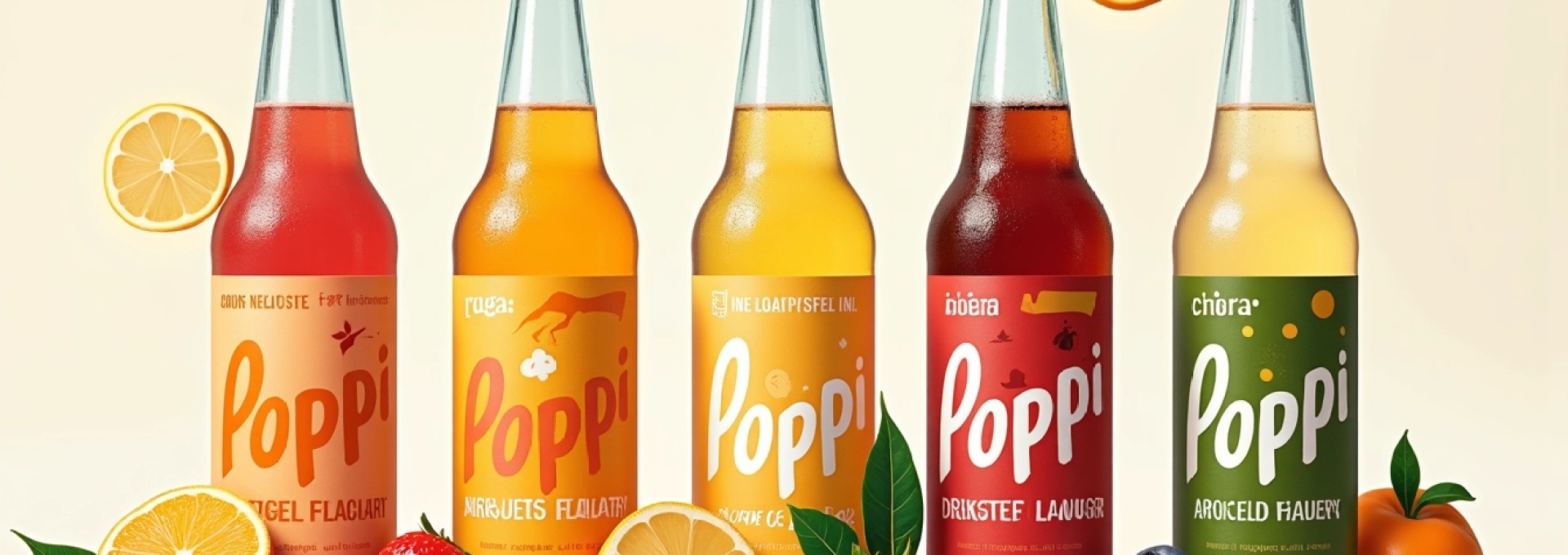
The prebiotic soda revolution has captured consumer attention across the globe, with Poppi leading the charge as one of the most recognisable brands in this emerging category. This sparkling beverage promises to deliver digestive benefits through carefully selected prebiotic fibres whilst maintaining the refreshing taste profile consumers expect from carbonated drinks. Recent market analysis indicates that functional beverage sales have surged by over 60% year-on-year, positioning prebiotic sodas as a significant disruptor to traditional soft drink formulations. Understanding the genuine health implications of these beverages requires examining their formulation, scientific backing, and realistic expectations for consumer benefits.
Poppi prebiotic soda formulation and core ingredients analysis
Poppi’s formulation centres on a strategic blend of prebiotic fibres, organic acids, and natural flavouring compounds designed to support digestive wellness whilst delivering sensory satisfaction. The brand’s approach to functional beverage development reflects broader industry trends towards incorporating bioactive compounds that extend beyond basic nutrition. Each 355ml can contains approximately 2 grams of prebiotic fibre, sourced primarily from cassava root and agave inulin, alongside apple cider vinegar and natural fruit extracts.
The beverage’s foundation rests on creating a synergistic relationship between taste enhancement and functional benefits. Unlike traditional sodas that rely heavily on refined sugars and artificial additives, Poppi employs a more sophisticated ingredient matrix. This approach addresses consumer demands for products that satisfy both hedonistic pleasure and health consciousness, though the effectiveness of such low-dose prebiotic delivery systems remains a subject of ongoing scientific debate.
Apple cider vinegar concentration and acetic acid content
The inclusion of apple cider vinegar in Poppi’s formulation serves multiple purposes beyond flavour enhancement. Each serving contains enough acetic acid to potentially influence postprandial glucose response, though the concentrations remain significantly lower than therapeutic doses studied in clinical trials. Research suggests that acetic acid concentrations of 15-30ml per day may provide metabolic benefits, whilst Poppi’s formulation delivers considerably less per serving.
Apple cider vinegar’s role in the beverage extends to pH modification and taste complexity creation. The acetic acid content contributes to the beverage’s characteristic tangy profile whilst potentially creating an environment that supports prebiotic fibre stability. However, consumers should understand that the vinegar concentrations in Poppi are insufficient to replicate the dramatic health claims often associated with concentrated apple cider vinegar supplementation.
Inulin prebiotic fibre sourcing and molecular structure
Poppi utilises two primary sources of prebiotic fibres: cassava root fibre and agave inulin. Agave inulin consists of fructooligosaccharides with varying chain lengths, typically ranging from 2-60 fructose units linked by β(2→1) glycosidic bonds. This molecular structure resists digestion in the small intestine, allowing passage to the colon where beneficial bacteria can utilise these compounds as energy sources.
Cassava root fibre contributes additional prebiotic properties through its resistant starch content and oligofructose derivatives. The combination of these fibre sources aims to provide broader spectrum prebiotic effects compared to single-source formulations. However, the total prebiotic load of 2 grams per serving falls well below the 5-15 gram daily intake recommendations established by most digestive health researchers for meaningful microbiome modulation.
Natural fruit juice extraction methods and flavouring agents
The flavouring profile of Poppi relies heavily on natural fruit juice concentrates and extracts obtained through cold-pressing and enzymatic extraction methods. These processing techniques preserve volatile aromatic compounds whilst concentrating natural sugars and organic acids. The brand offers multiple flavour variants, each requiring specific extraction protocols to maintain consistent taste profiles across production batches.
Natural flavouring agents in Poppi undergo minimal processing compared to artificial alternatives, though the term “natural flavours” encompasses a broad range of compounds derived from botanical sources. The extraction methods employed can significantly impact the retention of beneficial plant compounds such as polyphenols and flavonoids, which may provide additional antioxidant benefits beyond the primary prebiotic function.
Stevia leaf extract processing and sweetening compounds
Poppi incorporates stevia leaf extract as a primary sweetening agent to reduce overall sugar content whilst maintaining palatability. The processing of stevia involves extraction of steviol glycosides, particularly rebaudioside A and stevioside, which provide sweetness levels 200-400 times greater than sucrose. This allows for significant sugar reduction without compromising taste satisfaction.
The stevia processing methods employed can influence both sweetness quality and potential aftertaste characteristics. Advanced purification techniques help eliminate bitter compounds naturally present in stevia leaves, though some consumers may still detect subtle flavour differences compared to traditional sugar-sweetened beverages. The combination of stevia with small amounts of organic cane sugar creates a more rounded sweetness profile that appeals to broader consumer preferences.
Digestive health mechanisms and gut microbiome impact
Understanding how Poppi potentially influences digestive health requires examining the complex interactions between prebiotic fibres and intestinal microorganisms. The gut microbiome comprises trillions of microorganisms that play crucial roles in immune function, nutrient metabolism, and overall health maintenance. Prebiotic fibres serve as selective substrates for beneficial bacteria, theoretically promoting their growth whilst inhibiting pathogenic species.
The effectiveness of any prebiotic intervention depends on multiple factors including baseline microbiome composition, individual genetic variations, dietary patterns, and overall health status. Research indicates that meaningful microbiome changes typically require consistent prebiotic intake over extended periods, with most studies examining daily doses significantly higher than those found in single servings of functional beverages like Poppi.
Prebiotic fermentation pathways in large intestine
When prebiotic fibres from Poppi reach the large intestine, they undergo fermentation by resident microorganisms through complex enzymatic processes. Bifidobacterium and Lactobacillus species possess specific enzymes capable of breaking down inulin and fructooligosaccharides into smaller metabolites. This fermentation process occurs primarily in the cecum and ascending colon, where bacterial density is highest.
The fermentation pathways involve multiple enzymatic steps, beginning with extracellular hydrolysis of complex carbohydrates into simpler sugars. These sugars then enter bacterial cells where they undergo glycolysis and subsequent metabolic conversions. The rate and extent of fermentation depend on factors including transit time, pH levels, and competition between different bacterial species for available substrates.
Bifidobacterium and lactobacillus growth stimulation
Poppi’s prebiotic fibres theoretically promote the growth of beneficial bacterial species, particularly Bifidobacterium and Lactobacillus strains. These microorganisms possess specialised transport systems and enzymes that efficiently utilise inulin-type fructans as energy sources. Research demonstrates that these bacteria can increase in relative abundance when adequate prebiotic substrates are available consistently over time.
However, the 2-gram prebiotic dose in Poppi represents a relatively modest intervention compared to clinical studies showing significant microbiome changes. Most research examining Bifidobacterium stimulation has utilised daily prebiotic doses ranging from 5-20 grams, administered consistently for weeks or months. The practical implications of lower-dose prebiotic delivery through beverages like Poppi remain unclear from current scientific literature.
Short-chain fatty acid production enhancement
The fermentation of prebiotic fibres by beneficial bacteria produces short-chain fatty acids (SCFAs), including acetate, propionate, and butyrate. These metabolites serve important functions in maintaining intestinal barrier integrity, regulating immune responses, and providing energy for colonocytes. Butyrate, in particular, acts as the primary energy source for colonic epithelial cells whilst exhibiting anti-inflammatory properties.
SCFA production from Poppi’s prebiotic content would likely be minimal compared to higher-dose interventions or whole food sources of prebiotic fibres. Clinical studies demonstrating significant SCFA increases typically involve prebiotic doses of 10-15 grams daily, substantially higher than the amount provided in functional beverages. The physiological impact of small increases in SCFA production remains an active area of research.
Intestinal ph regulation through acetic acid metabolism
The combination of apple cider vinegar and prebiotic fermentation in Poppi may contribute to subtle changes in intestinal pH levels. Acetic acid from vinegar can be directly absorbed in the small intestine, whilst bacterial fermentation of prebiotic fibres produces additional organic acids in the colon. These pH modifications can influence bacterial growth patterns and potentially affect pathogen survival.
Lower intestinal pH levels generally favour beneficial bacterial species whilst inhibiting potentially harmful microorganisms. However, the pH changes resulting from consuming Poppi would likely be transient and minimal compared to dietary interventions involving higher fibre intake or probiotic supplementation. The clinical significance of such minor pH modifications remains largely theoretical without supporting research data.
Clinical research evidence and Peer-Reviewed studies
The scientific evidence supporting prebiotic sodas like Poppi remains limited, with most relevant research focusing on higher-dose prebiotic interventions rather than functional beverage applications. A comprehensive review of published literature reveals that meaningful microbiome changes typically require prebiotic doses of 5-15 grams daily, administered consistently over periods of 2-12 weeks. This creates a significant gap between research-backed recommendations and the prebiotic content found in commercial beverages.
Recent litigation against Poppi has highlighted these evidence limitations, with legal challenges questioning whether the 2-gram prebiotic dose provides meaningful health benefits. The lawsuit cites research indicating that 7.5 grams of agave inulin daily for three weeks proved insufficient to generate significant prebiotic effects, suggesting that Poppi’s lower dose may be inadequate for advertised benefits.
Independent analysis of prebiotic soda efficacy has produced mixed results, with some studies suggesting modest improvements in subjective digestive comfort measures. However, these studies typically lack rigorous control groups and fail to account for placebo effects or dietary confounding factors. The absence of randomised controlled trials specifically examining prebiotic sodas represents a significant limitation in current evidence assessment.
Clinical research consistently demonstrates that effective prebiotic interventions require sustained intake of adequate doses over extended periods, raising questions about the practical benefits of lower-dose functional beverages.
Emerging research in personalized nutrition suggests that prebiotic responses vary significantly between individuals based on baseline microbiome composition, genetic factors, and lifestyle variables. This individual variability complicates the development of universal recommendations for prebiotic beverages and may explain inconsistent consumer experiences with products like Poppi. Future research directions include investigating optimal delivery methods and dosing strategies for functional beverage applications.
Poppi flavour portfolio and nutritional profiles comparison
Poppi’s extensive flavour portfolio encompasses over twelve distinct varieties, each featuring unique nutritional profiles whilst maintaining consistent prebiotic fibre content across the range. Popular flavours include Orange, Cherry Lime, Raspberry Rose, and Classic Cola, with each formulation requiring specific adjustments to achieve optimal taste balance whilst preserving functional ingredients. The nutritional consistency across flavours demonstrates sophisticated formulation expertise, though individual products may vary slightly in sugar content and caloric density.
Comparative analysis reveals that most Poppi flavours contain 4-5 grams of sugar per 355ml serving, representing approximately 80% reduction compared to traditional sodas. The caloric content ranges from 20-25 calories per serving, making these beverages attractive options for consumers monitoring energy intake. However, the micronutrient content remains minimal, with products providing negligible amounts of vitamins, minerals, or other essential nutrients beyond the prebiotic fibres.
Flavour-specific variations primarily occur in natural fruit juice concentrations and corresponding fructose content. Citrus-based flavours typically contain higher vitamin C levels due to natural fruit extract inclusion, whilst berry-based varieties may provide modest amounts of anthocyanins and other polyphenolic compounds. These secondary nutrients represent incidental benefits rather than primary selling points, as concentrations remain well below therapeutic levels.
| Flavour | Calories | Sugar (g) | Prebiotic Fibre (g) |
|---|---|---|---|
| Orange | 20 | 4 | 2 |
| Cherry Lime | 25 | 5 | 2 |
| Classic Cola | 20 | 4 | 2 |
| Raspberry Rose | 20 | 4 | 2 |
The consistency in prebiotic fibre content across flavours ensures standardised functional benefits regardless of consumer taste preferences. This formulation approach demonstrates commitment to maintaining therapeutic consistency whilst accommodating diverse palate preferences. However, the uniform 2-gram prebiotic dose across all products reinforces questions about whether this amount provides meaningful digestive health benefits compared to higher-dose alternatives.
Market positioning against traditional carbonated beverages
Poppi’s market positioning strategy directly challenges traditional carbonated beverage categories by positioning functional benefits as primary value propositions rather than taste alone. This approach reflects broader consumer trends towards health-conscious purchasing decisions, with 73% of millennials reportedly willing to pay premium prices for products offering perceived health advantages. The brand’s marketing emphasises the concept of “having your soda and drinking it too,” appealing to consumers reluctant to completely abandon carbonated beverages.
The functional beverage market has experienced remarkable growth, with prebiotic and probiotic drinks representing the fastest-growing segments within this category. Industry analysis suggests that consumers increasingly view traditional sodas as incompatible with health goals, creating opportunities for products like Poppi to capture market share from established brands. This positioning strategy has proven successful, with Poppi achieving distribution in major retailers including Target, Whole Foods, and Costco.
Sugar content reduction versus Coca-Cola and PepsiCo products
The sugar content comparison between Poppi and traditional sodas reveals dramatic differences that support the brand’s health positioning claims. A standard 355ml can of Coca-Cola contains 39 grams of sugar, whilst Pepsi contains 41 grams, representing 8-10 times the sugar content found in Poppi products. This substantial reduction addresses primary consumer concerns about excessive sugar intake whilst maintaining carbonated beverage satisfaction.
Beyond simple sugar reduction, Poppi’s approach involves replacing refined sugars with a combination of natural fruit sugars, stevia extracts, and functional fibres. This strategy aims to maintain sensory satisfaction whilst reducing glycaemic impact and providing additional health benefits. The resulting products deliver approximately 80-90% fewer calories than traditional sodas whilst theoretically offering digestive wellness advantages.
The sugar reduction strategy employed by Poppi reflects broader industry recognition that excessive sugar consumption contributes to obesity, diabetes, and other metabolic disorders. By positioning their products as viable alternatives to high-sugar beverages, Poppi targets health-conscious consumers unwilling to completely eliminate carbonated drinks from their diets. This approach has resonated with consumers seeking compromise solutions rather than complete dietary restrictions.
Functional beverage category competition with kombucha brands
Within the functional beverage category, Poppi competes directly with established kombucha brands, probiotic waters, and other digestive health-focused products. Kombucha brands like GT’s and Health-Ade offer living probiotic cultures alongside organic acids and bioactive compounds, though these products typically contain higher sugar levels and more complex flavour profiles. The competition between prebiotic sodas and kombucha represents different approaches to digestive health support.
Poppi’s competitive advantages include longer shelf stability, more familiar taste profiles, and broader retail availability compared to many kombucha products. The pasteurisation process used in Poppi production eliminates concerns about alcohol content and microbial stability whilst potentially reducing beneficial compound degradation during storage. However, this processing approach also eliminates any potential probiotic benefits that living cultures might provide.
Price comparison analysis reveals that Poppi products typically retail for $1.50-2.50 per serving, positioning them competitively against premium kombucha brands whilst commanding significant premiums over traditional sodas. This pricing strategy reflects the brand’s positioning as a premium functional
beverage category whilst remaining accessible to mainstream consumers seeking healthier alternatives to traditional sodas.
Price point analysis against health-focused soft drinks
The premium pricing strategy employed by Poppi reflects broader trends within the functional beverage category, where consumers demonstrate willingness to pay substantially more for products offering perceived health benefits. Comparative analysis reveals that prebiotic sodas command retail prices 300-400% higher than traditional carbonated beverages, with Poppi products typically retailing between $1.99-2.79 per 355ml can depending on retailer and geographic location. This pricing positions Poppi within the premium functional beverage tier alongside established brands like Kevita and Buddha’s Brew.
When compared to other health-focused soft drink alternatives, Poppi’s pricing remains competitive within its category whilst commanding significant premiums over conventional options. Sparkling water brands with added flavours typically retail for $0.75-1.25 per serving, whilst enhanced waters with vitamins or electrolytes range from $1.50-2.25 per serving. The price differential reflects the additional costs associated with prebiotic ingredient sourcing, specialized processing requirements, and premium positioning strategies rather than pure manufacturing expenses.
Consumer research indicates that health-conscious buyers increasingly prioritise functional benefits over price considerations when selecting beverage options. This trend supports Poppi’s premium pricing strategy, particularly among demographics with higher disposable incomes and stronger health consciousness. However, the price barrier may limit adoption among price-sensitive consumers who might benefit from prebiotic supplementation but cannot justify the cost premium over traditional alternatives.
The economic sustainability of premium prebiotic beverages depends largely on consumer education regarding functional benefits and willingness to maintain purchasing habits over extended periods. Market analysis suggests that functional beverage categories experience higher customer lifetime values compared to traditional soft drinks, though this requires consistent product availability and maintained quality standards. The challenge lies in demonstrating sufficient value proposition to justify continued premium pricing in an increasingly competitive marketplace.
Consumer safety profile and potential contraindications
The safety profile of Poppi prebiotic soda appears favourable for most consumers, with ingredients generally recognised as safe (GRAS) by regulatory authorities. The primary components including inulin, cassava root fibre, apple cider vinegar, and stevia extract have extensive safety data supporting their use in food applications. However, individual responses to prebiotic fibres can vary significantly, with some consumers experiencing digestive discomfort when introducing these compounds into their dietary routines.
The most commonly reported adverse effects associated with prebiotic soda consumption include bloating, gas production, and changes in bowel movement patterns. These symptoms typically occur during initial consumption periods as the gut microbiome adjusts to increased fibre intake, though they may persist in individuals with heightened digestive sensitivity. The severity and duration of these effects generally correlate with individual baseline fibre intake, existing digestive health status, and consumption frequency rather than product-specific factors.
Certain population groups may require additional consideration before incorporating prebiotic sodas into their regular dietary patterns. Individuals with irritable bowel syndrome (IBS), small intestinal bacterial overgrowth (SIBO), or other functional digestive disorders may experience exacerbated symptoms when consuming inulin-containing products. The fermentation of prebiotic fibres can increase gas production and abdominal distension in sensitive individuals, potentially outweighing any theoretical benefits from improved bacterial balance.
Diabetic consumers should monitor blood glucose responses when introducing prebiotic sodas, despite their reduced sugar content compared to traditional alternatives. The combination of natural fruit sugars, stevia compounds, and prebiotic fibres may influence postprandial glucose levels differently than anticipated, particularly in individuals with compromised glucose regulation. Healthcare providers recommend monitoring blood sugar patterns when incorporating any new food products into diabetic dietary management plans.
The absence of comprehensive long-term safety data for regular prebiotic soda consumption necessitates cautious approaches among vulnerable populations, including pregnant women, young children, and individuals with compromised immune systems.
Medication interactions represent another consideration for consumers using prebiotic beverages alongside pharmaceutical interventions. The acetic acid content from apple cider vinegar may theoretically influence medication absorption rates, whilst prebiotic fibres could affect the gut microbiome’s role in drug metabolism. Although clinically significant interactions appear unlikely at the concentrations found in Poppi, consumers taking multiple medications should consult healthcare providers regarding potential dietary supplement interactions.
The regulatory landscape surrounding functional beverages continues evolving, with authorities increasingly scrutinising health claims and requiring substantiation for marketed benefits. Current regulations permit structure-function claims regarding digestive support whilst prohibiting disease treatment assertions without clinical evidence. This regulatory framework provides consumer protection whilst allowing reasonable health positioning for products like Poppi, though manufacturers must carefully balance marketing claims with available scientific evidence to avoid regulatory compliance issues.