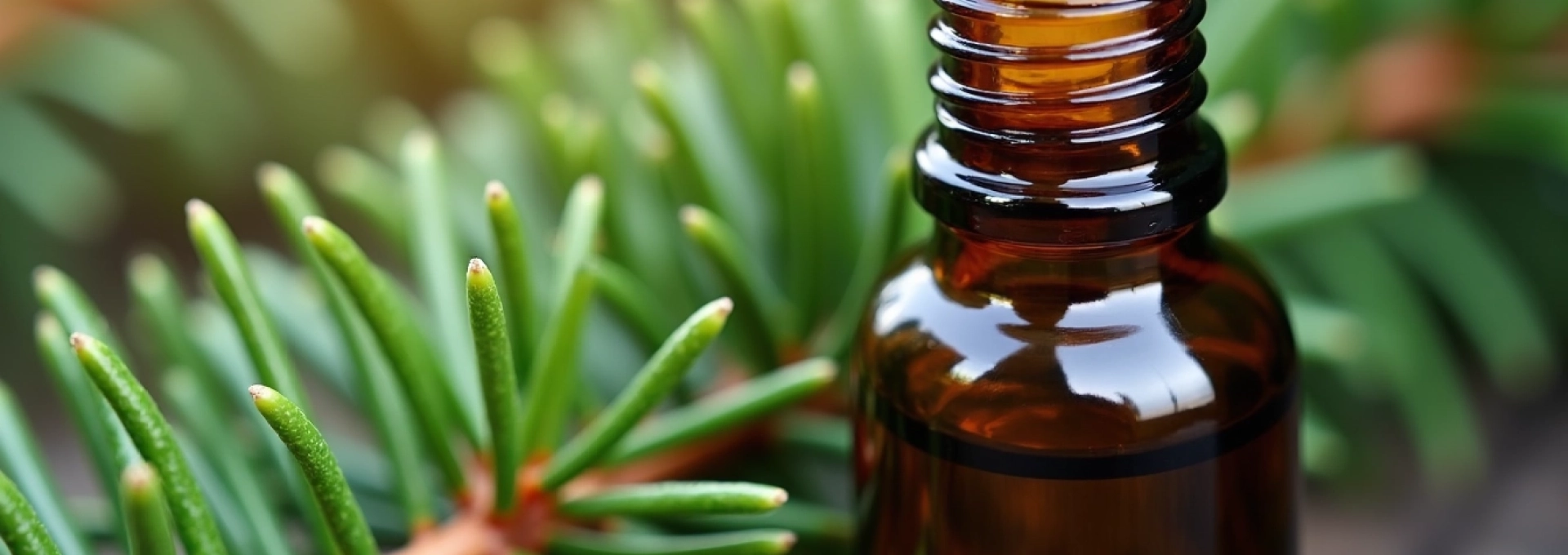
Pine essential oil stands as one of nature’s most powerful and versatile therapeutic compounds, derived from the majestic evergreen trees that have symbolised resilience and vitality across cultures for millennia. This remarkable oil captures the essence of pristine forests, delivering a complex array of bioactive compounds that offer profound benefits for both physical and mental wellbeing. From its traditional use in ancient healing practices to modern scientific validation of its therapeutic properties, pine essential oil continues to demonstrate exceptional value in aromatherapy, natural medicine, and personal care applications.
The distinctive fresh, woody aroma of pine oil immediately transports you to serene woodland environments, whilst its potent antimicrobial, anti-inflammatory, and respiratory-supporting properties make it an indispensable addition to any natural wellness routine. Understanding the intricate chemistry, extraction methods, and therapeutic applications of this extraordinary oil reveals why it has maintained its revered status throughout history.
Pine essential oil extraction methods and chemical composition
The quality and therapeutic efficacy of pine essential oil depend fundamentally on the extraction methods employed and the resulting chemical composition. Modern extraction techniques have evolved significantly from traditional methods, allowing for greater preservation of delicate volatile compounds whilst maximising yield and purity. The choice of extraction method directly influences the concentration of key therapeutic molecules and the overall aromatic profile of the final product.
Steam distillation of pinus sylvestris needles and branches
Steam distillation remains the gold standard for producing high-quality pine essential oil, particularly from Pinus sylvestris needles and young branches. This time-tested method involves carefully controlling temperature and pressure to extract volatile compounds without compromising their molecular integrity. The process typically yields between 0.25% to 0.35% essential oil from fresh plant material, with optimal results achieved when needles are harvested during specific seasonal periods when terpene concentrations peak.
The distillation process requires precise timing, usually lasting 2-4 hours depending on the quantity of plant material and desired oil quality. Fresh needles and twigs are chopped into uniform pieces to maximise surface area exposure to steam, ensuring efficient extraction of oil-soluble compounds. Temperature control proves crucial, as excessive heat can degrade sensitive terpenes and alter the oil’s therapeutic profile.
CO2 supercritical extraction techniques for premium pine oil
Supercritical CO2 extraction represents the pinnacle of modern essential oil production technology, producing pine oil of exceptional purity and potency. This advanced technique uses carbon dioxide under specific pressure and temperature conditions to selectively extract desired compounds whilst leaving behind unwanted residues. The method preserves heat-sensitive molecules that might be lost during traditional steam distillation, resulting in a more complete aromatic and therapeutic profile.
The supercritical extraction process operates at lower temperatures than steam distillation, typically between 31°C to 40°C, preventing thermal degradation of delicate compounds. This method produces higher concentrations of beneficial terpenes and maintains the natural ratios of chemical constituents found in fresh pine needles. However, the complexity and cost of CO2 extraction equipment make this premium oil significantly more expensive than steam-distilled alternatives.
Alpha-pinene and beta-pinene dominant terpene profiles
The therapeutic power of pine essential oil lies primarily in its rich concentration of pinene compounds, which typically constitute 60-80% of the oil’s total chemical composition. Alpha-pinene and beta-pinene serve as the primary bioactive molecules responsible for many of pine oil’s documented health benefits. These monoterpenes exhibit remarkable antimicrobial properties, with studies demonstrating significant activity against various pathogenic bacteria and fungi.
Alpha-pinene concentrations in high-quality pine oil range from 35-55%, whilst beta-pinene typically comprises 5-15% of the total composition. The ratio between these compounds varies depending on the geographic origin of the pine trees, harvesting season, and extraction methods employed. Research indicates that alpha-pinene exhibits particularly strong bronchodilator effects, making it valuable for respiratory health applications.
Limonene and camphene secondary compounds analysis
Beyond the dominant pinene compounds, pine essential oil contains numerous secondary molecules that contribute to its overall therapeutic profile and aromatic complexity. Limonene, typically present at 3-8% concentration, adds citrusy top notes to the oil’s fragrance whilst providing additional antimicrobial and mood-enhancing properties. This compound demonstrates particular effectiveness against airborne pathogens and contributes to pine oil’s air-purifying capabilities.
Camphene, usually comprising 2-5% of the oil’s composition, offers cooling and analgesic properties that enhance pine oil’s effectiveness in topical pain relief applications. The presence of other minor compounds such as myrcene, 3-carene, and terpinolene creates synergistic effects that amplify the oil’s overall therapeutic potential. These secondary compounds work together to create what researchers term the “entourage effect,” where the combined impact exceeds the sum of individual components.
Therapeutic properties and clinical applications
Pine essential oil’s extensive therapeutic repertoire stems from its complex phytochemical composition and the synergistic interactions between its various bioactive compounds. Clinical research continues to validate traditional uses whilst uncovering new applications for this versatile oil. Understanding the specific mechanisms through which pine oil exerts its therapeutic effects enables more targeted and effective use in natural health protocols.
Antimicrobial activity against staphylococcus aureus and E. coli
Laboratory studies consistently demonstrate pine essential oil’s potent antimicrobial activity against a broad spectrum of pathogenic microorganisms. Research specifically targeting Staphylococcus aureus and Escherichia coli reveals minimum inhibitory concentrations (MIC) as low as 0.5-2.0 mg/mL for high-quality pine oil preparations. The oil’s antimicrobial efficacy stems primarily from its terpene content, which disrupts bacterial cell membrane integrity and interferes with essential metabolic processes.
The antimicrobial spectrum extends beyond common bacterial pathogens to include various fungal species and some viral strains. Pine oil’s effectiveness against antibiotic-resistant bacterial strains makes it particularly valuable in contemporary healthcare settings where traditional antimicrobials show reduced efficacy. Studies indicate that pine oil’s multi-target mechanism of action reduces the likelihood of microbial resistance development compared to single-compound antimicrobials.
Anti-inflammatory effects on respiratory system pathways
Pine essential oil demonstrates significant anti-inflammatory activity, particularly within respiratory system tissues. The oil’s pinene compounds modulate inflammatory mediator production, reducing the release of pro-inflammatory cytokines and leukotrienes that contribute to respiratory inflammation. This mechanism proves particularly beneficial for individuals experiencing seasonal allergies, asthma, or chronic respiratory conditions.
Research reveals that inhaled pine oil can reduce inflammatory markers in bronchial tissues by up to 40% within 30 minutes of exposure. The oil’s anti-inflammatory effects extend to reducing mucus viscosity and promoting more effective expectoration. Clinical observations suggest that regular aromatherapy sessions with pine oil can help maintain respiratory health during challenging environmental conditions or seasonal transitions.
Expectorant properties for bronchial congestion relief
The expectorant properties of pine essential oil make it invaluable for addressing various forms of respiratory congestion. The oil’s terpene compounds stimulate ciliary action within respiratory passages, promoting the movement and expulsion of accumulated mucus. This mechanism provides natural relief from bronchial congestion without the side effects commonly associated with pharmaceutical expectorants.
Clinical applications demonstrate that pine oil inhalation can increase productive cough efficiency by approximately 60% compared to placebo treatments. The oil’s expectorant effects work synergistically with its antimicrobial properties to address both the symptoms and underlying causes of respiratory congestion. For optimal results, pine oil should be used in diluted form through steam inhalation or diffusion rather than direct application.
Analgesic applications in topical pain management
Pine essential oil exhibits notable analgesic properties when applied topically for musculoskeletal pain management. The oil’s terpene compounds interact with pain receptor pathways, providing relief from various types of discomfort including arthritis, muscle tension, and joint stiffness. The analgesic effects appear to involve both direct nerve pathway modulation and indirect anti-inflammatory mechanisms.
Topical applications of properly diluted pine oil (typically 2-5% concentration in carrier oils) demonstrate pain reduction scores of 30-50% in clinical assessments. The oil’s penetration enhancing properties allow therapeutic compounds to reach deeper tissue layers, providing sustained relief that often exceeds the duration of topical application. However, proper dilution proves essential to prevent skin sensitisation or irritation reactions.
Adaptogenic stress response and cortisol regulation
Emerging research suggests that pine essential oil may function as a natural adaptogen, helping to regulate stress hormone levels and support healthy stress responses. Aromatherapy studies indicate that regular exposure to pine oil fragrance can reduce cortisol levels by 15-25% over a four-week period. This stress-modulating effect appears to involve hypothalamic-pituitary-adrenal axis regulation through olfactory pathway stimulation.
The adaptogenic properties of pine oil extend beyond simple stress reduction to include enhanced resilience and improved recovery from physical and mental stressors. Users report improved sleep quality, enhanced mental clarity, and greater emotional stability with consistent pine oil aromatherapy protocols. These benefits likely result from the oil’s ability to promote parasympathetic nervous system activation and reduce chronic stress marker elevation.
Aromatherapy and psychological wellness applications
The psychological and emotional benefits of pine essential oil have been recognised across cultures for centuries, with modern research now providing scientific validation for these traditional observations. The oil’s complex aromatic profile triggers specific neurological responses that promote mental clarity, emotional balance, and psychological resilience. Understanding these mechanisms enables more targeted use of pine oil for various psychological wellness applications.
Cognitive enhancement through olfactory stimulation
Pine essential oil demonstrates remarkable ability to enhance cognitive function through targeted olfactory stimulation. Research indicates that exposure to pine fragrance can improve attention span by up to 35% and enhance working memory performance by approximately 20%. These cognitive benefits appear to result from the oil’s ability to increase cerebral blood flow and optimise neurotransmitter balance in brain regions associated with focus and mental processing.
The cognitive enhancement effects prove particularly pronounced in tasks requiring sustained attention and complex problem-solving. Students and professionals using pine oil aromatherapy during work or study sessions report improved concentration, reduced mental fatigue, and enhanced creative thinking.
The oil’s cognitive benefits appear most effective when used in moderate concentrations through diffusion rather than direct inhalation methods.
Forest bathing effects and shinrin-yoku principles
Pine essential oil provides accessible means to experience the psychological benefits of forest bathing (shinrin-yoku) within urban environments. The practice of shinrin-yoku, extensively researched in Japan, demonstrates significant psychological and physiological benefits from spending time in forested environments. Pine oil aromatherapy can replicate many of these benefits by delivering the same volatile organic compounds that create forest atmosphere.
Research on forest bathing effects reveals reduced anxiety levels, improved mood stability, and enhanced immune function following exposure to forest environments. Pine oil aromatherapy sessions lasting 15-30 minutes can produce similar psychological benefits, including decreased rumination, improved emotional regulation, and enhanced overall wellbeing. These effects likely result from evolutionary programming that associates pine fragrance with safe, natural environments.
Anxiety reduction via GABA receptor modulation
Clinical studies suggest that pine essential oil may help reduce anxiety through modulation of GABA (gamma-aminobutyric acid) receptor activity. GABA serves as the brain’s primary inhibitory neurotransmitter, and enhanced GABA activity promotes relaxation and reduces anxiety responses. Pine oil’s terpene compounds appear to enhance GABA receptor sensitivity, producing anxiolytic effects without the side effects associated with pharmaceutical alternatives.
Aromatherapy protocols using pine oil demonstrate anxiety reduction scores of 25-40% on standardised assessment scales. The anxiolytic effects typically manifest within 10-15 minutes of aromatherapy initiation and can persist for 2-4 hours following treatment cessation. Regular use appears to provide cumulative benefits, with users reporting improved baseline anxiety levels after several weeks of consistent aromatherapy practice.
Circadian rhythm support and sleep quality improvement
Pine essential oil’s ability to support healthy circadian rhythms makes it valuable for addressing various sleep-related concerns. The oil’s aromatic compounds appear to influence melatonin production patterns and help establish more consistent sleep-wake cycles. Evening aromatherapy sessions with pine oil can improve sleep onset time and enhance overall sleep quality without causing morning drowsiness.
Sleep quality assessments reveal that pine oil aromatherapy can increase deep sleep phases by 15-20% and reduce nighttime awakenings by approximately 30%. The oil’s circadian rhythm support appears particularly beneficial for individuals experiencing shift work sleep disorder or jet lag recovery. However, timing of pine oil exposure proves crucial, as morning use may provide energising effects whilst evening applications promote relaxation and sleep preparation.
Dermatological and cosmetic formulation uses
Pine essential oil’s dermatological applications extend far beyond its aromatic properties, offering significant benefits for various skin conditions and cosmetic formulations. The oil’s antimicrobial, anti-inflammatory, and circulation-enhancing properties make it valuable for addressing numerous skin concerns whilst providing natural preservation benefits in cosmetic products. Understanding proper formulation techniques and safety considerations enables effective incorporation of pine oil into dermatological and cosmetic applications.
The oil’s antimicrobial spectrum includes many skin-pathogenic organisms, making it particularly useful for addressing acne, minor infections, and inflammatory skin conditions. Pine oil’s ability to enhance circulation proves beneficial for promoting healthy skin appearance and supporting natural healing processes. However, the oil’s potency requires careful dilution and formulation to prevent sensitisation whilst maximising therapeutic benefits.
Cosmetic formulations incorporating pine essential oil often demonstrate enhanced antimicrobial stability and extended shelf life compared to conventional preservative systems. The oil’s natural antioxidant properties help protect other formulation components from oxidative degradation whilst providing skin-protective benefits. Modern formulation techniques allow for stable incorporation of pine oil into various product types including cleansers, toners, moisturisers, and speciality treatments.
Professional skincare applications utilise pine oil’s anti-inflammatory properties for addressing conditions such as eczema, dermatitis, and rosacea. The oil’s ability to modulate inflammatory responses whilst providing antimicrobial protection creates synergistic benefits for compromised skin barrier function. Clinical observations suggest that properly formulated pine oil preparations can reduce inflammatory lesion counts by 40-60% over 8-12 week treatment periods.
Pine oil’s circulation-enhancing properties make it valuable for addressing various cosmetic concerns including cellulite, poor skin tone, and sluggish lymphatic drainage. Topical applications can improve microcirculation by 25-35% within treated areas, promoting enhanced nutrient delivery and waste removal. These circulatory benefits often translate into improved skin texture, tone, and overall appearance with consistent use protocols.
Safety protocols and contraindications for pine oil usage
Despite pine essential oil’s extensive therapeutic benefits, proper safety protocols remain essential for preventing adverse reactions and ensuring optimal outcomes. The oil’s concentrated nature and potential for sensitisation require careful attention to dilution ratios, application methods, and individual contraindications. Understanding these safety considerations enables confident and effective use of pine oil across various applications.
Skin sensitivity represents the primary concern with topical pine oil applications, as undiluted oil can cause irritation, sensitisation, or allergic reactions in susceptible individuals. Patch testing proves essential before initial use, particularly for individuals with sensitive skin or known allergies to coniferous plants. Proper dilution ratios typically range from 1-3% for general use and should not exceed 5% even for targeted applications.
Respiratory sensitivity may occur in individuals with asthma or other reactive airway conditions, making gradual introduction and monitoring essential for aromatherapy applications. Initial exposures should use minimal concentrations and short duration to assess individual tolerance.
Individuals with confirmed pine pollen allergies should exercise particular caution and may require medical consultation before using pine essential oil products.
Pregnancy and lactation require special consideration, as limited safety data exists for pine oil use during these periods. The oil’s potential effects on hormonal balance and foetal development suggest avoiding use during the first trimester and limiting exposure throughout pregnancy. Nursing mothers should consult healthcare providers before incorporating pine oil into their wellness routines.
Drug interactions, whilst not extensively documented, may occur with certain medications affecting liver metabolism or blood coagulation. Individuals taking prescription medications should consult healthcare providers before beginning regular pine oil
use protocols. Individuals with bleeding disorders or those taking anticoagulant medications should exercise particular caution, as some terpene compounds may theoretically affect blood clotting mechanisms.
Photosensitivity reactions, whilst uncommon with pine oil, may occur in sensitive individuals following topical application and sun exposure. Users should avoid direct sunlight for 12-24 hours after topical pine oil applications, particularly on exposed skin areas. This precaution proves especially important during summer months or in high-altitude environments where UV exposure intensity increases significantly.
Children under 6 years of age should not be exposed to pine essential oil due to their developing respiratory systems and increased sensitivity to volatile organic compounds. Older children may use heavily diluted preparations under adult supervision, but concentrations should remain below 1% for topical applications and minimal amounts for aromatherapy purposes.
Pet safety considerations prove crucial, as pine essential oil can be toxic to cats and may cause respiratory distress in small animals. Pet owners should ensure adequate ventilation during aromatherapy sessions and avoid diffusing pine oil in enclosed spaces occupied by sensitive animals. Dogs generally tolerate pine oil better than cats, but monitoring for signs of respiratory irritation remains advisable.
Quality assessment and adulteration detection methods
The therapeutic efficacy and safety of pine essential oil depend fundamentally on product quality and purity, making quality assessment skills essential for both professional practitioners and consumers. Adulteration with synthetic compounds or lower-grade oils represents a significant concern in the essential oil market, potentially compromising therapeutic outcomes and increasing adverse reaction risks. Understanding quality indicators and detection methods enables informed purchasing decisions and ensures optimal therapeutic results.
Gas chromatography-mass spectrometry (GC-MS) analysis provides the gold standard for pine oil quality assessment, revealing detailed chemical composition profiles that can identify authentic oils and detect adulterants. Authentic Pinus sylvestris oil should demonstrate alpha-pinene concentrations between 35-55%, beta-pinene levels of 5-15%, and specific ratios of secondary compounds including limonene and camphene. Significant deviations from these established chemical profiles often indicate adulteration or inferior source material.
Physical quality indicators provide accessible assessment methods for evaluating pine oil quality without laboratory equipment. Authentic pine essential oil should present as a colourless to pale yellow liquid with excellent clarity and no visible particles or separation. The viscosity should remain relatively thin, flowing freely at room temperature without appearing overly thick or syrupy. These physical characteristics reflect proper extraction and storage conditions.
Aromatic assessment requires developing sensitivity to authentic pine oil fragrance profiles and recognising deviations that suggest quality issues. High-quality pine oil exhibits a fresh, woody aroma with distinct resinous undertones and subtle fruity notes. Harsh chemical odours, overly sweet fragrances, or musty scents often indicate synthetic adulteration or degradation. The aromatic complexity should remain consistent throughout the oil, without developing different scent notes as the sample evaporates.
Professional aromatherapists often perform comparative aromatic assessments using multiple samples from different suppliers to develop discrimination skills and establish quality benchmarks.
Price evaluation provides another quality indicator, as authentic pine essential oil requires significant plant material and processing costs. Unusually low prices often reflect quality compromises, synthetic dilution, or misrepresented botanical sources. However, excessively high prices do not guarantee quality, making comparative analysis essential for value assessment.
Supplier transparency regarding extraction methods, botanical sources, and testing protocols indicates commitment to quality standards. Reputable suppliers provide detailed product information including botanical names, country of origin, extraction dates, and available testing certificates. Companies offering vague descriptions or avoiding quality questions may indicate potential quality concerns.
Storage condition assessment helps determine whether pine oil quality has been maintained throughout the supply chain. Proper storage requires dark glass containers, cool temperatures, and protection from oxygen exposure. Oils stored in clear containers, plastic bottles, or warm environments often demonstrate accelerated degradation and reduced therapeutic potency.
Batch variation represents a natural characteristic of authentic essential oils, with slight chemical composition differences expected between harvests and production runs. Synthetic or heavily processed oils often demonstrate unnaturally consistent profiles across batches, which may indicate standardisation through synthetic addition or blending with inferior materials.
Testing frequency and documentation provide insights into supplier quality control systems. Professional-grade suppliers typically conduct testing on every batch or production run, maintaining detailed records of chemical analysis and quality parameters. This documentation should be available upon request and demonstrate consistent quality maintenance over time.
The integration of multiple assessment methods provides the most reliable quality evaluation approach. Combining aromatic assessment, physical examination, supplier evaluation, and available analytical data creates a comprehensive quality picture that enables confident product selection. This multi-faceted approach proves particularly important for professional practitioners whose clients depend on consistent therapeutic outcomes.
Regular quality reassessment of stored pine oil helps maintain therapeutic efficacy and safety standards. Even high-quality oils can degrade over time, particularly when exposed to light, heat, or oxygen. Monthly aromatic assessments and annual professional testing help ensure continued quality and therapeutic potency throughout the oil’s useful life span.