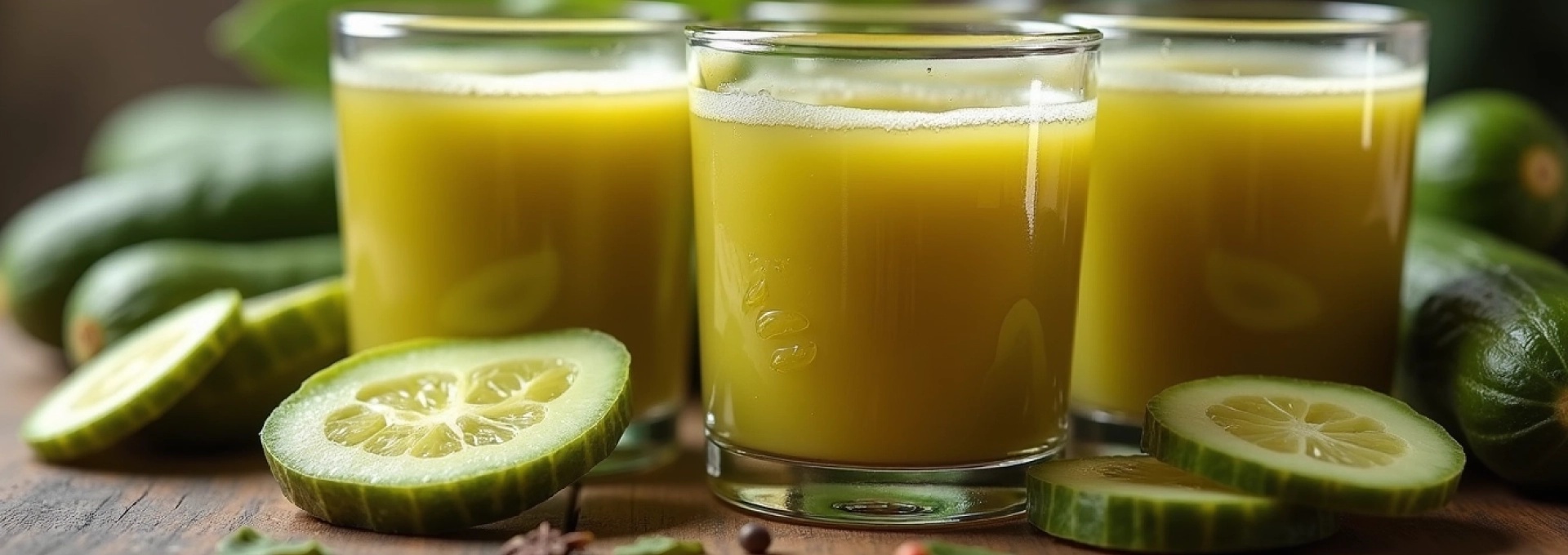
The fitness and wellness world has witnessed countless trends over the years, but few have generated as much debate as the consumption of pickle juice shots. This tangy, sodium-rich liquid has transcended its humble origins as a mere byproduct of cucumber preservation to become a sought-after performance enhancer and health tonic. From professional athletes gulping it courtside to fitness enthusiasts incorporating it into their pre-workout routines, pickle juice has carved out a unique niche in the competitive sports nutrition market.
What makes this briny concoction so compelling? The answer lies in its complex biochemical composition and the rapid physiological effects it can trigger in the human body. Unlike traditional sports drinks that require time for absorption and processing, pickle juice delivers an immediate punch of electrolytes and bioactive compounds that can influence everything from muscle function to blood sugar regulation. However, this powerful liquid comes with its own set of considerations and potential risks that merit careful examination.
Nutritional composition and bioactive compounds in pickle juice
Understanding the therapeutic potential of pickle juice begins with examining its intricate nutritional profile. This amber-coloured liquid contains a sophisticated array of compounds that work synergistically to produce its reported effects. The composition varies significantly depending on the manufacturing process, with fermented varieties offering distinctly different benefits compared to their vinegar-based counterparts.
Sodium chloride concentration and electrolyte balance
The most prominent feature of pickle juice is its exceptionally high sodium content, typically ranging from 50% to 115% of the recommended daily intake in just 3.5 ounces. This concentration creates an osmotic gradient that facilitates rapid fluid absorption in the gastrointestinal tract. The sodium chloride content usually hovers between 500-1,000 milligrams per quarter cup, making it significantly more concentrated than most commercial sports beverages.
Beyond sodium, pickle juice provides modest amounts of potassium and magnesium, comprising approximately 3% of the recommended daily intake for each mineral. This electrolyte profile, whilst unbalanced compared to physiological needs, can prove beneficial in specific circumstances where rapid sodium replacement is paramount. The chloride component plays a crucial role in maintaining proper fluid balance and supporting optimal muscle and nerve function throughout the body.
Acetic acid content and ph levels in commercial brines
Commercial pickle brines typically maintain pH levels between 3.2 and 3.8, creating an acidic environment that contributes to both preservation and potential health effects. The acetic acid concentration varies considerably, with vinegar-based solutions containing 4-8% acetic acid by volume. This acidic nature triggers specific neural pathways and may influence gastric acid production, potentially affecting digestion and nutrient absorption patterns.
The pH level also influences the bioavailability of minerals present in the solution. Lower pH environments can enhance the solubility of certain compounds , potentially increasing their absorption rates when consumed. Research suggests that the acidic nature of pickle juice may contribute to its rapid onset of action, particularly in relation to muscle cramp relief and blood glucose modulation.
Probiotic lactobacillus species in fermented pickle solutions
Naturally fermented pickle juice contains significant populations of beneficial bacteria, primarily Lactobacillus species including L. plantarum, L. brevis, and L. pentosus. These microorganisms can survive in concentrations ranging from 10^6 to 10^9 colony-forming units per millilitre, depending on the fermentation process and storage conditions. However, most commercially available pickle juice undergoes pasteurisation, which eliminates these beneficial microbes.
The probiotic content in unpasteurised versions may contribute to gut health benefits, though the high sodium content creates a challenging environment for sustained bacterial viability. These beneficial bacteria produce metabolites that may influence immune function and digestive health , though more research is needed to quantify their therapeutic potential in this particular delivery medium.
Antioxidant compounds from cucumber and spice extracts
Pickle juice inherits antioxidant properties from its botanical ingredients, including vitamin C from cucumbers and various phenolic compounds from added spices such as dill, garlic, and turmeric. The vitamin C content typically provides 1-5% of the recommended daily intake, whilst the phenolic profile varies significantly based on spice selection and extraction efficiency during the brining process.
Quercetin, particularly abundant in dill-flavoured varieties, demonstrates anti-inflammatory properties and may contribute to the overall health benefits attributed to pickle juice consumption. The synergistic interaction between these antioxidant compounds and the acidic environment may enhance their stability and bioavailability compared to other delivery methods.
Exercise performance and electrolyte replacement mechanisms
The application of pickle juice in sports performance has gained significant traction among athletes and fitness enthusiasts. Its unique composition and rapid absorption characteristics make it an intriguing alternative to traditional sports nutrition products. The mechanisms underlying its purported benefits involve complex physiological processes that extend beyond simple electrolyte replacement.
Muscle cramp prevention through rapid sodium absorption
Clinical studies have demonstrated that pickle juice can resolve muscle cramps 45% faster than drinking water alone, with effects typically manifesting within 1.5 minutes of consumption. The recommended dosage for cramp relief is approximately 1.5 ounces per 100 pounds of body weight, though individual responses vary considerably. This rapid action appears to stem from neural mechanisms rather than systemic electrolyte rebalancing.
The proposed mechanism involves the activation of transient receptor potential (TRP) channels in the oropharynx, which send inhibitory signals to alpha motor neurons responsible for muscle contractions. This neural pathway explanation accounts for the almost instantaneous relief observed in clinical settings , occurring far too quickly for traditional electrolyte absorption and redistribution processes.
Research indicates that the effectiveness of pickle juice for muscle cramps may rely more on its ability to trigger specific neural reflexes than on its electrolyte content alone.
Hydration efficacy compared to sports drinks like gatorade
When evaluating pickle juice against conventional sports beverages, several factors come into play beyond simple electrolyte content. Traditional sports drinks typically contain 20-25 milligrams of sodium per ounce, compared to pickle juice’s 140-200 milligrams per ounce. This dramatic difference in sodium concentration can lead to more rapid fluid retention, though it may also increase the risk of gastrointestinal distress in sensitive individuals.
The absence of carbohydrates in pickle juice presents both advantages and limitations. Whilst this makes it suitable for ketogenic dieters and those monitoring caloric intake, it fails to provide the glucose necessary for optimal glycogen replenishment during extended exercise sessions. The trade-off between rapid electrolyte replacement and energy provision requires careful consideration based on individual training goals and metabolic needs .
Pre-workout consumption timing for optimal performance
The timing of pickle juice consumption significantly influences its effectiveness as a performance enhancer. Consuming 2-3 ounces approximately 15-30 minutes before exercise allows for optimal gastric emptying whilst providing immediate electrolyte availability. This timing window helps prevent the gastrointestinal distress that can occur with closer-to-exercise consumption whilst ensuring peak sodium levels during the initial phases of physical activity.
For endurance events lasting longer than 90 minutes, athletes may benefit from a second dose during exercise, though this requires individual tolerance testing. The high sodium content necessitates adequate water intake to prevent dehydration and maintain proper fluid balance throughout the activity period.
Post-exercise recovery and glycogen replenishment effects
Post-workout pickle juice consumption primarily addresses electrolyte replacement rather than energy restoration. The rapid sodium absorption can help restore plasma volume more quickly than water alone, potentially reducing recovery time and improving subsequent training capacity. However, the absence of carbohydrates means that glycogen replenishment must be addressed through additional nutritional strategies.
The acidic nature of pickle juice may also influence protein synthesis pathways, though research in this area remains limited. Some athletes report improved recovery when combining pickle juice with protein-rich foods, potentially due to enhanced amino acid absorption in the acidic gastric environment. This synergistic approach requires further investigation to establish optimal post-exercise nutrition protocols .
Gastrointestinal impact and digestive health considerations
The gastrointestinal system bears the brunt of pickle juice’s intense composition, with effects ranging from beneficial to potentially problematic depending on individual tolerance and consumption patterns. The high acidity and sodium content create a challenging environment that can significantly impact digestive processes and gut health. Understanding these effects is crucial for anyone considering regular pickle juice consumption as part of their health regimen.
The acidic nature of pickle juice, with pH levels typically ranging from 3.2 to 3.8, can stimulate gastric acid production and potentially exacerbate symptoms in individuals with gastroesophageal reflux disease (GERD) or peptic ulcers. This increased acidity may lead to heartburn, indigestion, and general gastric discomfort, particularly when consumed on an empty stomach. The vinegar content acts as a potent gastric irritant that can trigger inflammatory responses in susceptible individuals .
Conversely, some individuals report improved digestion when consuming small amounts of pickle juice before meals. The theory suggests that the acetic acid content may help compensate for insufficient natural gastric acid production, a condition known as hypochlorhydria. However, this potential benefit remains largely anecdotal, with limited scientific evidence supporting its widespread application for digestive enhancement.
The high sodium concentration presents additional gastrointestinal challenges, potentially leading to water retention, bloating, and altered bowel movements. Excessive sodium intake can disrupt the delicate balance of gut bacteria, potentially favouring harmful species over beneficial ones. This disruption may manifest as changes in stool consistency, increased gas production, and generalised abdominal discomfort that can persist for several hours after consumption.
The concentrated nature of pickle juice can overwhelm the digestive system, particularly in individuals with existing gastrointestinal sensitivities or inflammatory conditions.
For individuals with irritable bowel syndrome (IBS) or other functional gastrointestinal disorders, pickle juice consumption may trigger symptom flares due to its high FODMAP content and osmotic effects. The combination of fermentable compounds and high sodium levels can lead to increased intestinal permeability and altered gut motility, potentially exacerbating existing digestive issues. These effects underscore the importance of individual tolerance assessment before incorporating pickle juice into regular dietary patterns .
Cardiovascular risks and hypertension concerns
The cardiovascular implications of regular pickle juice consumption warrant serious consideration, particularly given its exceptionally high sodium content and potential impact on blood pressure regulation. A single serving of pickle juice can contain between 50-115% of the recommended daily sodium intake, creating immediate and long-term cardiovascular challenges that extend far beyond simple fluid retention.
Acute sodium loading through pickle juice consumption can cause rapid increases in blood volume and subsequent elevations in blood pressure. These effects typically manifest within 30-60 minutes of consumption and can persist for several hours, depending on individual kidney function and overall cardiovascular health. For individuals with existing hypertension, even small amounts of pickle juice can trigger significant blood pressure spikes that may require medical intervention.
The osmotic effects of concentrated sodium intake place additional strain on the cardiovascular system by increasing cardiac workload and peripheral resistance. This increased workload can be particularly problematic for individuals with heart failure, coronary artery disease, or other cardiovascular conditions. The rapid fluid retention can overwhelm compromised cardiac function, potentially leading to acute decompensation in vulnerable populations .
Long-term cardiovascular risks associated with regular high-sodium intake include increased risk of stroke, myocardial infarction, and progressive kidney disease. The relationship between sodium intake and cardiovascular outcomes follows a dose-response pattern, with higher intakes correlating with proportionally increased risks. Research indicates that individuals consuming more than 2,300 milligrams of sodium daily face significantly elevated cardiovascular mortality rates compared to those maintaining lower intake levels.
The interaction between pickle juice consumption and antihypertensive medications presents additional concerns. High sodium intake can counteract the effects of diuretics, ACE inhibitors, and other blood pressure medications, potentially requiring dosage adjustments or alternative therapeutic approaches. Patients taking cardiovascular medications should consult healthcare providers before incorporating pickle juice into their dietary regimens .
Water retention associated with high sodium intake can mask underlying cardiovascular issues and complicate clinical assessments. The additional fluid volume can alter cardiac output measurements, blood pressure readings, and other vital signs used to monitor cardiovascular health. This masking effect may delay appropriate medical interventions and compromise overall patient care outcomes.
Healthcare professionals increasingly recognise pickle juice consumption as a significant cardiovascular risk factor that requires careful monitoring and patient education, particularly among high-risk populations.
Medical contraindications and drug interactions with pickle brine
The complex composition of pickle juice creates numerous potential interactions with medications and medical conditions that require careful consideration before consumption. Healthcare providers must evaluate individual risk factors and existing therapeutic regimens to determine the appropriateness of pickle juice supplementation for their patients. The high sodium content, acidic pH, and various bioactive compounds can significantly influence drug absorption, metabolism, and efficacy across multiple therapeutic classes.
Individuals taking lithium-based medications face particular risks when consuming pickle juice due to its potential to alter lithium clearance rates. The high sodium content can increase lithium excretion, potentially reducing therapeutic drug levels and compromising treatment efficacy for bipolar disorder and other psychiatric conditions. Conversely, dehydration resulting from excessive sodium intake may concentrate lithium levels, increasing the risk of toxicity and adverse neurological effects.
Diabetes patients using insulin or other glucose-lowering medications must exercise caution with pickle juice consumption due to its potential effects on blood sugar regulation. Whilst the vinegar content may help moderate glucose spikes, the timing and dosage interactions with diabetes medications remain poorly understood. The risk of hypoglycemic episodes may increase when pickle juice consumption coincides with peak medication effects , particularly during exercise or periods of reduced food intake.
Kidney disease patients represent another high-risk population for pickle juice consumption due to their compromised ability to excrete excess sodium and maintain proper fluid balance. The additional sodium load can accelerate disease progression, increase blood pressure, and exacerbate fluid retention issues. Patients with chronic kidney disease stages 3-5 should generally avoid pickle juice entirely unless specifically recommended by their nephrology team for specific therapeutic purposes.
The acidic nature of pickle juice can significantly alter the absorption kinetics of various medications, particularly those requiring specific pH conditions for optimal bioavailability. Medications with enteric coatings may dissolve prematurely in the acidic gastric environment enhanced by pickle juice consumption, potentially leading to gastric irritation and reduced therapeutic efficacy. Timing of medication administration relative to pickle juice consumption becomes critical for maintaining therapeutic drug levels .
Anticoagulant medications such as warfarin may interact with pickle juice through multiple mechanisms, including vitamin K content from vegetable extracts and potential effects on hepatic metabolism. The variable vitamin K content in different pickle juice formulations makes dosing predictions challenging and may require more frequent INR monitoring for patients on anticoagulation therapy. Additionally, the high sodium content may influence fluid balance and blood viscosity, potentially altering anticoagulant requirements.
Individuals with eating disorders or those recovering from such conditions should approach pickle juice consumption with extreme caution due to its potential to trigger restrictive behaviours or electrolyte imbalances. The low-calorie, high-sodium profile may appeal to individuals seeking to maintain fullness without caloric intake, potentially perpetuating unhealthy dietary patterns. Mental health professionals working with eating disorder patients should be aware of this potential trigger and address it appropriately in treatment planning .