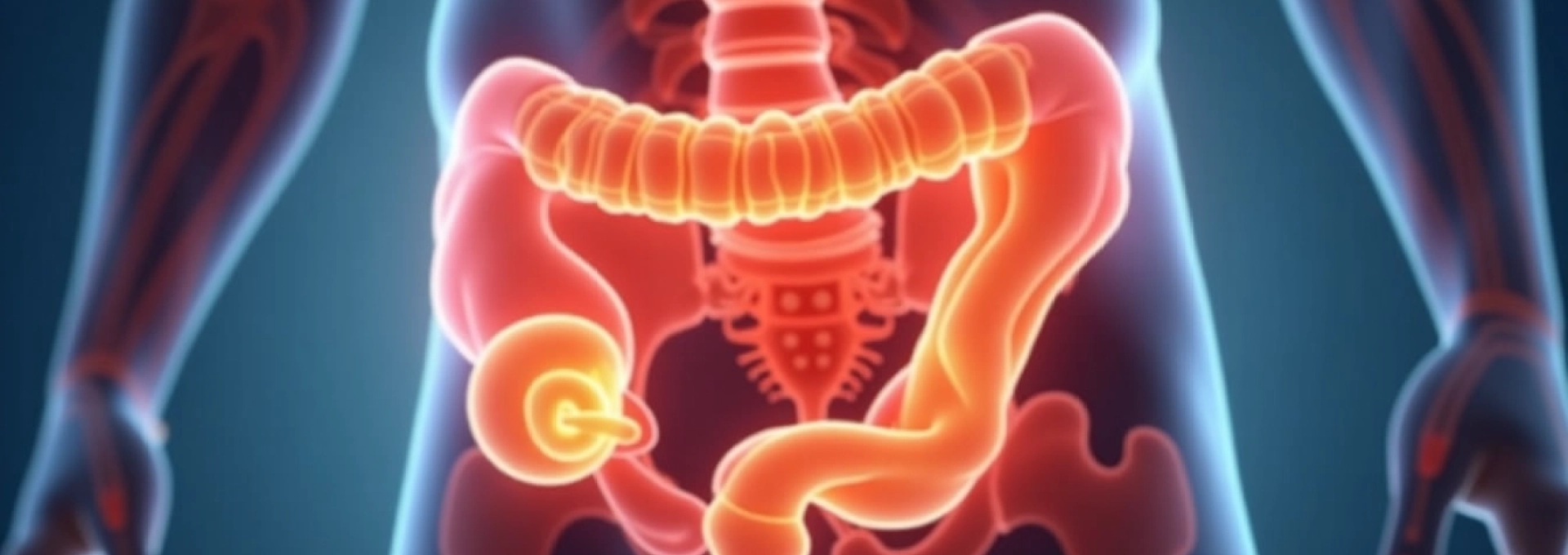
Lower right abdominal pain near the hip bone represents one of the most challenging diagnostic scenarios in emergency medicine and primary care. This anatomical region houses numerous vital structures including the appendix, caecum, right ovary and fallopian tube in females, terminal ileum, and portions of the urogenital system. The complexity of differential diagnosis stems from the overlapping symptom patterns and the potential for serious complications if conditions like appendicitis or ovarian torsion remain untreated. Understanding the various pathological processes that can manifest as right iliac fossa pain is crucial for both healthcare providers and patients seeking to recognise when urgent medical attention becomes necessary.
Appendicitis: primary cause of right iliac fossa pain
Appendicitis remains the most common surgical emergency affecting the right lower quadrant, with a lifetime incidence of approximately 7-8% in the general population. The condition typically begins with visceral pain around the umbilicus before migrating to the right iliac fossa as parietal peritoneum becomes involved. This classical pain progression occurs due to the embryological origin of the appendix from the midgut, which receives visceral innervation from sympathetic fibres that converge at the T10 level, corresponding to the umbilical region.
The pathophysiology involves obstruction of the appendiceal lumen, commonly by faecolith, lymphoid hyperplasia, or foreign bodies. This obstruction leads to increased intraluminal pressure, compromised blood supply, bacterial overgrowth, and eventual transmural inflammation. If left untreated, the inflammatory process progresses to necrosis, perforation, and potentially life-threatening complications such as generalised peritonitis or intra-abdominal abscess formation.
Mcburney’s point tenderness and classical presentation
McBurney’s point, located one-third of the distance from the anterior superior iliac spine to the umbilicus, represents the surface landmark where maximum tenderness typically occurs in acute appendicitis. This anatomical reference point corresponds to the usual position of the appendiceal base, though anatomical variations exist in approximately 35% of individuals. The classical presentation includes initial periumbilical pain followed by nausea, vomiting, and migration of pain to the right iliac fossa within 12-24 hours.
Temperature elevation usually remains modest initially, ranging from 37.2-38.5°C, with higher fevers suggesting complications such as perforation. Patients often adopt a characteristic posture, lying still with the right hip flexed to minimise peritoneal irritation. The pain typically intensifies with movement, coughing, or jarring motions, distinguishing it from other causes of abdominal discomfort.
Rovsing’s sign and psoas sign diagnostic testing
Rovsing’s sign represents a valuable clinical indicator where palpation of the left lower quadrant produces pain in the right iliac fossa, suggesting peritoneal irritation around the appendix. This phenomenon occurs due to the transmission of pressure waves through the peritoneal cavity, causing movement of inflamed peritoneal surfaces. The sensitivity of Rovsing’s sign ranges from 25-68%, making it useful when positive but not reliable when absent.
The psoas sign, elicited by passive extension of the right hip or active flexion against resistance, indicates inflammation adjacent to the psoas muscle. A positive test suggests a retrocaecal appendix position, occurring in approximately 65% of cases. These clinical signs, when combined with laboratory findings and imaging studies, significantly enhance diagnostic accuracy and help differentiate appendicitis from other conditions presenting with similar symptoms.
Alvarado score assessment for appendicitis probability
The Alvarado scoring system provides a standardised approach to assess appendicitis probability, incorporating clinical symptoms, signs, and laboratory parameters. The scoring criteria include migratory right iliac fossa pain (1 point), anorexia (1 point), nausea and vomiting (1 point), tenderness in the right lower quadrant (2 points), rebound tenderness (1 point), elevated temperature (1 point), leucocytosis (2 points), and left shift of neutrophils (1 point), totalling a maximum of 10 points.
Scores of 7-10 indicate high probability of appendicitis warranting surgical intervention, while scores of 5-6 suggest moderate risk requiring observation and possible imaging. Scores below 4 make appendicitis unlikely, though clinical judgement remains paramount. The Alvarado score demonstrates particular utility in resource-limited settings where advanced imaging may not be readily available, though it should complement rather than replace clinical assessment.
Complicated appendicitis with perforation and abscess formation
Complicated appendicitis occurs in approximately 20-30% of cases, with higher rates observed in elderly patients and young children due to delayed diagnosis and presentation. Perforation typically develops 48-72 hours after symptom onset, leading to localised or generalised peritonitis depending on the body’s ability to contain the inflammatory process. Abscess formation represents the body’s attempt to wall off the infected material, creating a localised collection that may require percutaneous drainage.
The mortality rate for uncomplicated appendicitis remains below 0.1%, but rises to 1-3% in cases of perforation with generalised peritonitis, emphasising the importance of early recognition and treatment.
Clinical indicators of complicated appendicitis include prolonged symptom duration, high fever exceeding 39°C, significant leucocytosis above 15,000/μL, and the presence of a palpable mass in the right iliac fossa. These patients often appear more systemically unwell and may require more aggressive management including broad-spectrum antibiotics and potential intensive care support.
Ovarian pathology in female patients
Ovarian disorders represent a significant cause of right lower quadrant pain in women of reproductive age, with the complexity of diagnosis often requiring careful correlation of menstrual history, physical examination findings, and imaging studies. The right ovary’s anatomical position places it in direct proximity to the appendix, creating diagnostic challenges when patients present with acute abdominal pain. Understanding the various ovarian pathologies and their characteristic presentations enables more accurate diagnosis and appropriate management strategies.
Ovarian cyst torsion and haemorrhagic corpus luteum
Ovarian torsion occurs when the ovary twists on its vascular pedicle, compromising blood supply and creating a surgical emergency. This condition affects approximately 3% of gynaecological emergencies, with peak incidence in women aged 20-40 years. Torsion most commonly involves enlarged ovaries containing cysts larger than 5cm, as the increased weight and mobility predispose to rotation around the supporting ligaments.
The clinical presentation typically includes sudden onset of severe, constant lower abdominal pain that may radiate to the flank or thigh. Nausea and vomiting occur in up to 85% of cases, often accompanied by low-grade fever. Physical examination reveals localised tenderness with possible palpation of an adnexal mass. Doppler ultrasound may demonstrate absent or reduced ovarian blood flow, though normal flow doesn’t exclude torsion in cases of intermittent twisting.
Haemorrhagic corpus luteum represents another important ovarian cause of right lower quadrant pain, occurring when bleeding develops within the corpus luteum during the luteal phase of the menstrual cycle. This condition typically presents with acute onset pain that may mimic appendicitis, particularly when occurring on the right side. The pain intensity varies depending on the degree of bleeding and presence of haemoperitoneum.
Mittelschmerz: Mid-Cycle ovulation pain syndrome
Mittelschmerz, derived from German meaning “middle pain,” describes the physiological pain experienced by approximately 40% of women during ovulation. This cyclical pain occurs mid-menstrual cycle and alternates between sides depending on which ovary releases the dominant follicle. The pain mechanism involves follicular swelling, ovarian capsule stretching, and potential bleeding or fluid release during follicle rupture.
The characteristic presentation includes sharp or cramping pain lasting minutes to hours, rarely exceeding 24-48 hours duration. Pain severity ranges from mild discomfort to intense cramping that may temporarily incapacitate some women. Recognition of this benign condition prevents unnecessary medical interventions while providing reassurance to patients experiencing recurrent cyclical symptoms.
Ectopic pregnancy rupture in fallopian tubes
Ectopic pregnancy accounts for approximately 1-2% of all pregnancies but represents a leading cause of maternal mortality in the first trimester. Tubal pregnancy, comprising 95% of ectopic pregnancies, most commonly occurs in the ampullary portion of the fallopian tube. When occurring in the right tube, the condition can closely mimic appendicitis, creating significant diagnostic challenges.
Risk factors include previous ectopic pregnancy, tubal surgery, pelvic inflammatory disease, assisted reproductive technology, and intrauterine device use. The classical triad of amenorrhoea, abdominal pain, and vaginal bleeding occurs in only 50% of cases, making diagnosis challenging. Serum beta-hCG levels combined with transvaginal ultrasound provide the most reliable diagnostic approach, with the absence of an intrauterine gestational sac when beta-hCG exceeds the discriminatory threshold suggesting ectopic pregnancy.
Pelvic inflammatory disease affecting right adnexa
Pelvic inflammatory disease encompasses infection of the upper genital tract, including endometritis, salpingitis, oophoritis, and pelvic peritonitis. When involving the right fallopian tube and ovary, PID can present with right lower quadrant pain resembling appendicitis. The condition affects approximately 1 million women annually in developed countries, with peak incidence in sexually active women aged 15-25 years.
Early diagnosis and treatment of PID are crucial as delayed management can result in serious complications including tubo-ovarian abscess, chronic pelvic pain, ectopic pregnancy, and infertility affecting up to 20% of women with the condition.
Clinical presentation varies from mild pelvic discomfort to severe systemic illness with high fever and signs of peritonitis. The diagnosis relies on clinical criteria including lower abdominal pain, cervical motion tenderness, adnexal tenderness, and supporting evidence such as elevated inflammatory markers, pathogenic organisms on microscopy, or imaging findings suggestive of salpingitis.
Musculoskeletal disorders of the hip and pelvis
Musculoskeletal conditions affecting the hip and pelvic region frequently present with pain that can be mistaken for intra-abdominal pathology. The complex anatomy of this region includes numerous muscle groups, ligaments, and bony structures that can become sources of pain through injury, overuse, or degenerative processes. Understanding these conditions is crucial for accurate diagnosis, particularly as they may coexist with or mimic more serious abdominal pathology requiring surgical intervention.
Hip flexor strain represents one of the most common musculoskeletal causes of lower abdominal and groin pain. The iliopsoas muscle complex, consisting of the psoas major and iliacus muscles, can become strained through sudden forceful contraction or chronic overuse. This condition frequently affects athletes participating in sports requiring repetitive hip flexion, such as running, cycling, or kicking sports. The pain typically worsens with hip flexion and may be accompanied by a palpable tender point in the lower abdomen or groin region.
Osteitis pubis, inflammation of the pubic symphysis, can cause significant lower abdominal and pelvic pain that radiates towards the hip region. This condition commonly affects athletes engaged in sports involving repetitive stress on the pelvis, such as football, hockey, or distance running. The inflammatory process affects the joint between the pubic bones, creating pain that intensifies with activities such as climbing stairs, running, or sudden directional changes. Physical examination reveals tenderness over the pubic symphysis, and imaging studies may demonstrate bone marrow oedema or joint space irregularities.
Piriformis syndrome involves irritation or inflammation of the piriformis muscle, which can compress the sciatic nerve and create referred pain patterns. While primarily causing buttock and posterior hip pain, some patients experience anterior hip and lower abdominal discomfort. This condition often develops from prolonged sitting, overuse in runners, or anatomical variations in the relationship between the piriformis muscle and sciatic nerve. Diagnosis relies heavily on clinical assessment, as imaging studies may appear normal despite significant symptoms.
Stress fractures of the femoral neck or pelvis can present with insidious onset of hip and lower abdominal pain, particularly in athletes or individuals with metabolic bone disease. These fractures typically develop from repetitive loading that exceeds the bone’s ability to repair microdamage. Female athletes with the triad of amenorrhoea, eating disorders, and osteoporosis face particular risk. Early recognition is crucial as progression to complete fracture can result in significant morbidity and require surgical intervention.
Gastrointestinal causes beyond appendicitis
While appendicitis dominates the differential diagnosis for right lower quadrant pain, numerous other gastrointestinal conditions can present with similar symptoms. These conditions range from inflammatory bowel diseases to mechanical obstructions, each requiring specific diagnostic approaches and treatment strategies. Understanding these various pathological processes enables healthcare providers to maintain a broad differential diagnosis and avoid the tunnel vision that can occur when focusing solely on appendicitis.
Crohn’s disease terminal ileitis manifestation
Crohn’s disease affecting the terminal ileum presents with symptoms remarkably similar to acute appendicitis, creating significant diagnostic challenges. This inflammatory bowel disease affects approximately 1 in 650 individuals, with terminal ileitis representing the most common pattern of involvement. The inflammatory process creates transmural inflammation that can lead to complications including strictures, fistulae, and abscesses.
The clinical presentation often includes cramping right lower quadrant pain, diarrhoea, weight loss, and constitutional symptoms such as fatigue and low-grade fever. Unlike appendicitis, symptoms typically develop gradually over weeks to months, though acute exacerbations can mimic surgical emergencies. Physical examination may reveal a tender, palpable mass in the right iliac fossa representing inflamed bowel loops or associated inflammatory changes.
Diagnostic evaluation requires a combination of laboratory studies, imaging, and often endoscopic evaluation. Faecal calprotectin and lactoferrin serve as useful screening markers for intestinal inflammation, while CT enterography or MR enterography provide detailed visualisation of bowel wall thickening, enhancement patterns, and extraluminal complications. Colonoscopy with ileoscopy allows direct visualisation and biopsy of affected tissues, providing definitive diagnostic information.
Caecal volvulus and Right-Sided colonic obstruction
Caecal volvulus occurs when the caecum and ascending colon twist around their mesenteric axis, creating mechanical obstruction and potential vascular compromise. This condition accounts for approximately 1-3% of all intestinal obstructions but represents up to 40% of colonic volvulus cases. Predisposing factors include congenital variations in colonic fixation, previous abdominal surgery, chronic constipation, and certain neurological conditions affecting bowel motility.
The clinical presentation varies depending on the degree of rotation and presence of vascular compromise. Patients typically experience sudden onset of severe cramping pain in the right lower quadrant, accompanied by nausea, vomiting, and inability to pass gas or stool. Physical examination reveals abdominal distension, tympany to percussion, and localised tenderness over the affected area.
Plain abdominal radiographs may demonstrate the characteristic “coffee bean” sign, representing the dilated, twisted caecum. CT scanning provides more detailed information about the degree of rotation, presence of vascular compromise, and potential complications such as perforation. Prompt surgical intervention is typically required, as delayed treatment can result in bowel necrosis and perforation with associated high morbidity and mortality rates.
Mesenteric adenitis following viral gastroenteritis
Mesenteric adenitis involves inflammation and enlargement of mesenteric lymph nodes, most commonly affecting children and young adults following viral infections. This condition frequently follows upper respiratory tract infections or gastroenteritis caused by viruses such as adenovirus, Epstein-Barr virus, or cytomegalovirus. The inflammatory process affects lymph nodes in the right lower quadrant mesentery, creating symptoms that closely mimic appendicitis.
The clinical presentation typically includes acute onset of cramping abdominal pain, often accompanied by low-grade fever and general malaise. Unlike appendicitis, patients with mesenteric adenitis may report recent symptoms of upper respiratory infection or gastroenteritis preceding the abdominal pain. Physical examination reveals tenderness in the right iliac fossa, though the pain is often less localised and intense compared to appendicitis.
Laboratory investigations may demonstrate mild leucocytosis with lymphocytic predominance, contrasting with the neutrophilic response typically seen in appendicitis. Ultrasound examination can identify enlarged mesenteric lymph nodes, typically measuring greater than 8mm in short axis diameter, clustered in the right lower quadrant. The condition is generally self-limiting, resolving within days to weeks as the underlying viral infection clears, though observation is crucial to exclude developing appendicitis.
Urological conditions causing right lower quadrant pain
Urological pathology represents an important consideration in patients presenting with right lower quadrant pain, particularly when symptoms involve urinary tract dysfunction or when pain radiates from the flank region. The anatomical course of the right ureter as it traverses the pelvis places it in proximity to structures that can cause diagnostic confusion with appendicitis or gynaecological conditions. Understanding these urological causes ensures comprehensive evaluation and prevents missed diagnoses in patients with atypical presentations.
Ureteral stones represent the most common urological cause of right lower quadrant pain, occurring when calculi become impacted at anatomical narrowing points along the ureter. The distal ureter, where it enters the bladder at the ureterovesical junction, represents a common site of stone impaction. Stones measuring 4-6mm have approximately 80% chance of spontaneous passage, while larger stones often require intervention. The pain typically begins in the flank and radiates anteriorly toward the groin and lower abdomen, often described as colicky in nature with periods of intense pain alternating with relative comfort.
Pyelonephritis affecting the right kidney can present with lower abdominal pain, particularly in cases where inflammation extends to involve the lower pole of the kidney or when associated with concurrent cystitis. The condition more commonly affects women due to anatomical factors predisposing to ascending urinary tract infections. Clinical presentation includes fever, chills, flank pain, and urinary symptoms such as dysuria and frequency. Physical examination may reveal costovertebral angle tenderness, though this classic finding is absent in approximately 30% of cases.
Urinary tract infections involving the bladder can occasionally present with suprapubic and lower abdominal pain that may be perceived in the right lower quadrant. This presentation is more common in elderly patients or those with underlying neurological conditions affecting bladder function. The diagnosis relies on urinalysis demonstrating pyuria, bacteriuria, and positive nitrites, with urine culture providing definitive identification of causative organisms and antibiotic sensitivities.
Testicular pathology in male patients can produce referred pain to the lower abdomen due to shared innervation from the genitofemoral nerve. Testicular torsion, epididymitis, or trauma can create lower abdominal discomfort that may initially overshadow local testicular symptoms. Physical examination of the external genitalia is therefore essential in male patients presenting with lower abdominal pain, particularly in adolescents and young adults where testicular torsion represents a urological emergency requiring immediate intervention.
Delayed diagnosis of testicular torsion beyond 6 hours significantly increases the risk of testicular loss, with salvage rates dropping from 90% when treated within 6 hours to less than 20% when treatment is delayed beyond 24 hours.
Differential diagnosis through clinical examination and imaging
Accurate diagnosis of right lower quadrant pain requires a systematic approach combining detailed history taking, focused physical examination, and judicious use of diagnostic imaging and laboratory studies. The challenge lies in differentiating between conditions that may present with similar symptoms but require vastly different management approaches. A structured diagnostic framework helps clinicians navigate this complexity while minimising unnecessary investigations and avoiding delayed diagnosis of surgical emergencies.
The clinical history provides crucial diagnostic clues, with particular attention to pain characteristics, timing of onset, associated symptoms, and patient demographics. Pain that begins periumbilically and migrates to the right iliac fossa strongly suggests appendicitis, while pain that begins in the flank and radiates to the groin indicates possible ureteral pathology. The relationship of symptoms to menstrual cycle in women of reproductive age can identify gynaecological causes, while a history of inflammatory bowel disease or previous abdominal surgery may point toward specific complications.
Physical examination techniques specifically designed to evaluate right lower quadrant pain include assessment of vital signs, abdominal inspection for distension or visible masses, and systematic palpation beginning away from the area of maximum tenderness. Specific manoeuvres such as assessment for Murphy’s sign, psoas sign, and obturator sign help localise pathology to specific anatomical regions. Digital rectal examination may reveal masses, tenderness, or blood that provides additional diagnostic information, particularly in cases of suspected inflammatory bowel disease or pelvic pathology.
Laboratory investigations should be tailored to the clinical presentation and suspected diagnosis. Complete blood count with differential can identify leucocytosis suggesting infection or inflammation, while C-reactive protein and erythrocyte sedimentation rate provide markers of systemic inflammation. Urinalysis is essential to evaluate for urinary tract pathology, while pregnancy testing in women of reproductive age is mandatory before considering imaging studies or surgical intervention. Additional markers such as lactate dehydrogenase, lipase, or tumour markers may be indicated based on specific clinical suspicions.
Imaging studies play an increasingly important role in diagnosing right lower quadrant pain, with the choice of modality depending on clinical presentation, patient factors, and institutional capabilities. Ultrasound represents an excellent initial imaging modality, particularly for evaluating gynaecological pathology, gallbladder disease, and identifying free fluid or masses. The technique is non-invasive, readily available, and avoids radiation exposure, making it particularly suitable for pregnant women and children. However, ultrasound examination is operator-dependent and may be limited by patient habitus or bowel gas.
Computed tomography remains the gold standard for evaluating suspected appendicitis in adults, with sensitivity and specificity exceeding 95% in most studies. CT imaging provides excellent visualisation of the appendix, surrounding inflammatory changes, and potential complications such as abscess formation or perforation. The technique also effectively evaluates other causes of right lower quadrant pain, including bowel obstruction, inflammatory bowel disease, and urological pathology. However, concerns about radiation exposure, particularly in young patients, have led to increased use of alternative imaging modalities where appropriate.
Magnetic resonance imaging offers superior soft tissue contrast and avoids ionising radiation, making it particularly valuable in pregnant women and children where CT may be contraindicated. MRI provides excellent evaluation of pelvic organs and can effectively diagnose appendicitis, though availability and cost may limit its routine use. The technique requires longer acquisition times and may be challenging in patients who cannot remain still or have claustrophobia.
The integration of clinical scoring systems, such as the Alvarado score for appendicitis or the RIPASA score, with appropriate imaging studies has been shown to improve diagnostic accuracy while reducing unnecessary surgical interventions and associated healthcare costs.
Diagnostic laparoscopy remains an important tool in cases where clinical and imaging findings remain inconclusive, particularly in women of reproductive age where multiple pathological processes may coexist. The minimally invasive approach allows direct visualisation of intra-abdominal organs while providing therapeutic options if pathology is identified. This technique is particularly valuable in evaluating suspected appendicitis when imaging studies are equivocal or when gynaecological pathology cannot be excluded through non-invasive means.
The management approach must account for the urgency of the clinical presentation, with conditions such as appendicitis, ovarian torsion, or testicular torsion requiring immediate surgical intervention to prevent serious complications. Conversely, conditions such as mittelschmerz, viral gastroenteritis, or uncomplicated urinary tract infections may be managed conservatively with observation and symptomatic treatment. The key to successful management lies in accurate initial assessment, appropriate use of diagnostic resources, and maintaining clinical vigilance for changing symptoms that may indicate evolving pathology requiring different management approaches.