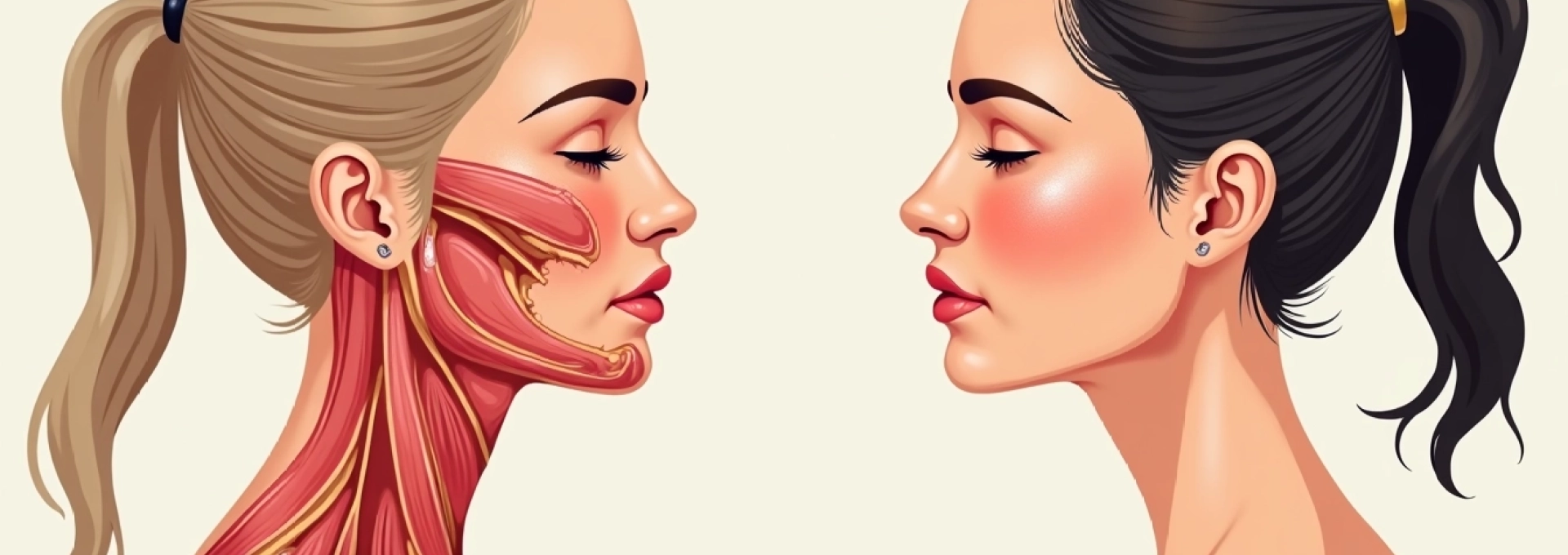
The intersection of therapeutic touch and anatomical precision forms the foundation of effective cervicofacial massage therapy. This specialised approach combines centuries-old healing traditions with modern understanding of human anatomy to address muscular tension, promote circulation, and enhance overall wellbeing. The neck and facial regions contain intricate networks of muscles, nerves, and lymphatic pathways that respond remarkably well to targeted therapeutic intervention.
Contemporary research reveals that cervicofacial massage offers profound physiological benefits extending far beyond simple relaxation. From reducing cortisol levels to improving cerebral blood flow, these techniques provide measurable improvements in both physical and mental health. The growing recognition of massage therapy as a legitimate healthcare intervention has led to increased adoption in clinical settings, wellness centres, and self-care routines worldwide.
Anatomical foundations of cervicofacial massage therapy
Understanding the complex anatomical structures of the neck and face forms the cornerstone of effective therapeutic intervention. The cervical region contains over twenty distinct muscle groups, each contributing to head positioning, breathing mechanics, and postural stability. These muscles work in intricate coordination, and dysfunction in one area often creates compensatory tension patterns throughout the entire cervicofacial complex.
Sternocleidomastoid and scalene muscle group targeting
The sternocleidomastoid muscles, extending from the sternum and clavicle to the mastoid process behind the ears, play crucial roles in head rotation and flexion. When these powerful muscles become hypertonic, they can create referred pain patterns extending into the forehead, temples, and even the jaw. Targeted massage techniques for this region require careful attention to direction and pressure, as aggressive manipulation can potentially compress vital structures including the carotid artery and jugular vein.
The scalene muscle group, comprising anterior, middle, and posterior sections, presents unique challenges for therapeutic intervention. These deep cervical muscles attach to the first and second ribs, making them susceptible to restrictions that affect both breathing mechanics and upper extremity circulation. Professional massage therapists employ specific positioning and gradual pressure application to access these structures safely while avoiding potential complications such as thoracic outlet syndrome exacerbation.
Facial nerve pathways and trigeminal distribution points
The facial nerve complex controls both motor function of facial muscles and sensory perception across multiple regions. The trigeminal nerve, the fifth cranial nerve, provides sensation to the face through three main branches: ophthalmic, maxillary, and mandibular divisions. Massage techniques that stimulate these pathways must consider both therapeutic benefits and potential adverse reactions, particularly in individuals with pre-existing neurological sensitivities.
Strategic pressure point stimulation along trigeminal distribution pathways can provide remarkable relief from tension headaches, sinus congestion, and temporomandibular dysfunction. However, the proximity of these nerve pathways to delicate facial structures requires practitioners to maintain precise pressure levels and avoid overstimulation that might trigger protective muscle guarding responses.
Lymphatic drainage networks in cervical and mandibular regions
The cervical lymphatic system represents one of the body’s most concentrated networks of lymph nodes and drainage pathways. Approximately 300 lymph nodes cluster in the neck region alone, filtering lymphatic fluid from the head, face, and upper respiratory tract. Therapeutic massage targeting these networks can significantly improve immune function and reduce inflammatory responses throughout the cervicofacial region.
Proper lymphatic drainage technique requires understanding of specific directional flow patterns. Lymphatic vessels follow predictable pathways toward major collection points, including the deep cervical chain and supraclavicular nodes. Massage strokes must align with these natural drainage directions to avoid creating backflow or congestion that could potentially worsen swelling or inflammation.
Temporomandibular joint mechanics and surrounding fascia
The temporomandibular joint represents one of the most complex articulations in the human body, combining hinge and sliding motions to facilitate speaking, chewing, and yawning. The surrounding fascial networks, including the masseter, temporalis, and pterygoid muscles, frequently develop restrictions that can create widespread dysfunction extending into the neck, shoulders, and even the upper back.
Fascial restrictions in the temporomandibular region often result from stress-related jaw clenching, dental procedures, or postural imbalances. Specialised massage techniques addressing these restrictions require both external manipulation of accessible muscle groups and sometimes intraoral techniques performed by qualified practitioners to access deeper structures effectively.
Evidence-based physiological benefits of neck and face massage
Scientific research continues to validate the profound physiological impacts of cervicofacial massage therapy. Recent studies demonstrate measurable changes in blood pressure, heart rate variability, and stress hormone levels following targeted therapeutic interventions. These findings support the integration of massage therapy into comprehensive healthcare approaches for conditions ranging from chronic pain management to anxiety disorders.
Parasympathetic nervous system activation through vagal stimulation
The vagus nerve, the longest cranial nerve, extends from the brainstem through the neck region and influences numerous physiological processes including heart rate, digestion, and inflammatory responses. Cervical massage techniques that gently stimulate vagal pathways can trigger powerful parasympathetic responses, promoting what researchers term the “rest and digest” state that counteracts chronic stress patterns.
Clinical studies indicate that specific massage techniques applied to the posterior neck region can increase vagal tone by up to 40% within a single session. This activation correlates with decreased cortisol production, improved sleep quality, and enhanced immune function. The implications extend beyond immediate relaxation, suggesting that regular cervicofacial massage may provide cumulative benefits for individuals managing chronic stress conditions.
Myofascial tension release and trigger point deactivation
Myofascial trigger points, hyperirritable nodules within taut muscle bands, commonly develop throughout the cervicofacial region due to postural stress, repetitive movements, and emotional tension. These trigger points can create complex referred pain patterns that often confuse both patients and healthcare providers. Targeted trigger point therapy within massage protocols has shown remarkable success rates in reducing both local and referred pain symptoms.
Research demonstrates that properly applied trigger point pressure can deactivate these problematic areas within 60-90 seconds of sustained compression. The mechanism involves local ischemia followed by reactive hyperemia, essentially “resetting” the affected muscle fibres. This process requires precise anatomical knowledge and careful pressure modulation to achieve therapeutic results without creating additional tissue damage.
Enhanced cerebral blood flow and oxygenation mechanisms
Cervical massage techniques can significantly impact cerebral circulation through multiple mechanisms. Relaxation of suboccipital muscles reduces compression on vertebral arteries, while general cervical muscle relaxation decreases overall vascular resistance. Studies using transcranial Doppler ultrasound demonstrate increases in cerebral blood flow velocity of 15-25% following targeted neck massage interventions.
The relationship between cervical muscle tension and cerebral circulation helps explain why many individuals experience improved mental clarity and reduced headache frequency following regular massage therapy. Enhanced oxygenation of brain tissues supports cognitive function and may contribute to the mood-enhancing effects commonly reported by massage recipients.
Cortisol reduction and stress hormone regulation
Chronic elevation of cortisol and other stress hormones contributes to numerous health problems including immune suppression, sleep disorders, and cardiovascular disease. Clinical research consistently demonstrates that massage therapy can reduce cortisol levels by 20-30% within hours of treatment, with effects potentially lasting several days with regular intervention.
The hormonal benefits of cervicofacial massage extend beyond cortisol reduction. Increases in oxytocin and serotonin levels contribute to improved mood and social bonding, while decreased norepinephrine levels support relaxation and anxiety reduction. These biochemical changes provide objective validation for the subjective sense of wellbeing that clients consistently report following massage sessions.
Professional massage techniques for cervical region
Professional cervical massage requires mastery of multiple therapeutic approaches, each designed to address specific anatomical structures and physiological objectives. The complexity of the cervical region demands careful assessment, precise technique application, and continuous monitoring of client responses to ensure both safety and effectiveness.
Swedish effleurage patterns for posterior neck muscles
Swedish effleurage forms the foundation of most cervical massage protocols, providing gentle warming and initial assessment of tissue conditions. Posterior neck effleurage begins with broad, sweeping strokes from the occiput toward the upper thoracic region, following the natural contours of the cervical spine. These initial strokes serve multiple purposes: warming tissues, assessing muscle tension patterns, and beginning the relaxation response.
Advanced effleurage techniques incorporate varying pressure levels and directional changes to address specific muscle groups. The upper trapezius requires different stroke patterns than the deeper cervical extensors, and skilled practitioners adjust their approach based on individual client presentations. Proper body mechanics during effleurage application prevents practitioner fatigue and ensures consistent pressure delivery throughout extended treatment sessions.
Myofascial release applications using sustained pressure methods
Myofascial release techniques address the interconnected web of fascia surrounding and supporting cervical muscles. Unlike traditional massage strokes, myofascial release employs sustained pressure applied perpendicular to fascial planes, creating mechanical stress that encourages tissue reorganisation and improved mobility. Sustained pressure applications typically require 90-180 seconds of consistent force to achieve therapeutic fascial changes.
The cervical region presents unique challenges for myofascial release due to the proximity of vital structures and the relatively small surface area available for technique application. Practitioners must develop keen palpation skills to distinguish between muscle tension, fascial restrictions, and normal anatomical landmarks. Cross-handed techniques and supported finger applications help maintain pressure consistency while protecting practitioner joints from overuse injuries.
Trigger point therapy for suboccipital and upper trapezius
The suboccipital muscles, a group of four small muscles connecting the occiput to the first two cervical vertebrae, frequently harbour trigger points that can create intense headache patterns. These deep muscles require precise palpation skills and careful pressure application to access effectively. Suboccipital trigger point therapy often provides dramatic relief from tension headaches and cervicogenic pain patterns.
Upper trapezius trigger points present different challenges, as this large, superficial muscle is easily accessible but can refer pain into the temporal region, creating complex symptom patterns. The most effective trigger point protocols combine sustained pressure with passive stretching and post-treatment movement education to prevent rapid trigger point reformation. Client education about postural factors and stress management enhances long-term treatment outcomes.
Craniosacral therapy integration for cervical vertebrae
Craniosacral therapy principles can enhance traditional massage approaches by addressing the subtle rhythms and restrictions affecting cerebrospinal fluid circulation. The cervical spine plays a crucial role in craniosacral mechanics, and restrictions in this region can impact the entire system. Integrated craniosacral techniques focus on gentle traction, decompression, and facilitation of natural corrective movements.
The integration of craniosacral principles requires advanced training and sensitive palpation skills to perceive the subtle tissue changes associated with craniosacral rhythm corrections. However, when properly applied, these techniques can provide profound relaxation and symptom relief that extends well beyond the immediate treatment area. Many practitioners find that combining craniosacral approaches with traditional massage creates synergistic effects that enhance overall treatment outcomes.
Specialised facial massage methodologies
Facial massage encompasses diverse therapeutic approaches ranging from traditional European techniques to ancient Eastern practices. Each methodology offers unique benefits and requires specific skill development to achieve optimal results. The delicate nature of facial tissues demands precise pressure application and thorough understanding of underlying anatomical structures.
Lymphatic drainage techniques following vodder method protocols
The Vodder method of manual lymphatic drainage represents the gold standard for therapeutic lymphatic manipulation. Facial lymphatic drainage following Vodder protocols employs specific hand positions, pressure levels, and directional patterns designed to optimise lymphatic flow without damaging delicate vessels. The technique requires extensive training to master the precise touch quality that stimulates lymphatic vessels without triggering protective responses.
Proper Vodder technique involves working with lymphatic anatomy rather than against it, following predetermined pathways that guide lymphatic fluid toward appropriate drainage points. The facial application begins with clearing central collection points before working peripherally, ensuring that treatment doesn’t create congestion in downstream vessels. Session timing and frequency require careful consideration, as excessive lymphatic stimulation can potentially overwhelm the system and create temporary symptom exacerbation.
Acupressure point stimulation for facial rejuvenation
Traditional Chinese medicine identifies numerous acupressure points throughout the face and scalp that can influence both local tissue health and systemic energy flow. Facial acupressure applications combine therapeutic benefits with aesthetic enhancement, making this approach particularly popular in spa and wellness settings. Key points include Yintang (between the eyebrows), Taiyang (temples), and Yingxiang (beside the nostrils), each associated with specific therapeutic properties.
Effective acupressure requires understanding of both point location and appropriate stimulation techniques. Some points respond best to sustained pressure, while others benefit from rhythmic pulsation or circular movements. The integration of breathing techniques and meditation principles can enhance the therapeutic effects of acupressure treatments, creating a holistic experience that addresses both physical and energetic imbalances.
Gua sha tool applications for facial contouring
Gua sha, an ancient Chinese healing practice, has gained modern popularity for its facial contouring and circulation-enhancing properties. Traditional gua sha tools, typically made from jade, rose quartz, or stainless steel, are used to apply controlled scraping motions that promote blood flow and lymphatic drainage. Facial gua sha applications require modified pressure levels compared to body treatments, as facial tissues cannot tolerate the intensive scraping used on muscular areas.
Modern gua sha protocols for facial application focus on gentle gliding motions that follow facial contours and lymphatic pathways. The tools’ unique shapes allow access to areas difficult to reach with hands alone, such as the orbital rim and zygomatic arch. Proper tool selection and maintenance are crucial for safety and effectiveness, as poorly maintained implements can harbour bacteria or develop rough edges that might damage delicate facial skin.
Japanese kobido massage sequences for Anti-Ageing
Kobido, often called the “ancient path of beauty,” represents one of the most sophisticated facial massage traditions. This Japanese technique combines over 40 different hand movements designed to stimulate circulation, tone facial muscles, and promote cellular regeneration. Kobido massage sequences require years of training to master, as the technique emphasises precise timing, pressure gradations, and seamless transitions between movements.
The anti-ageing benefits of Kobido result from its comprehensive approach to facial tissue stimulation. Unlike Western massage techniques that focus primarily on relaxation, Kobido incorporates elements designed to strengthen facial muscles, improve skin elasticity, and enhance overall facial symmetry. Regular Kobido treatments can produce measurable improvements in facial tone and appearance, though results require consistent application over extended periods.
Professional massage therapists report that clients receiving regular Kobido treatments show significant improvements in facial muscle tone and skin texture compared to those receiving conventional facial massage alone.
Contraindications and safety protocols in cervicofacial massage
The sensitive nature of cervicofacial anatomy requires careful consideration of contraindications and safety protocols before beginning any therapeutic intervention. The proximity of vital structures including major blood vessels, nerves, and the upper airway demands thorough assessment and conservative treatment approaches, particularly for practitioners new to these techniques.
Absolute contraindications include acute neck injuries, severe cervical instability, active infections in the treatment area, and certain cardiovascular conditions that might be exacerbated by massage-induced circulation changes. Relative contraindications require careful evaluation and possible modification of treatment approaches, including pregnancy, recent surgical procedures, and medications that affect blood clotting or circulation.
Practitioner safety considerations include proper body mechanics to prevent repetitive strain injuries and appropriate hygiene protocols to prevent disease transmission. The intimate nature of face and neck massage requires clear communication about boundaries and professional conduct. Continuing education in anatomy, pathology, and technique refinement helps ensure that practitioners maintain current knowledge of best practices and safety protocols.
Client safety protocols should include thorough intake procedures, ongoing assessment during
treatment sessions, and clear protocols for managing adverse reactions should they occur.
Emergency preparedness should include knowledge of when to discontinue treatment and seek immediate medical attention. Signs such as sudden onset of dizziness, severe headache, or neurological symptoms require immediate cessation of massage therapy and appropriate medical referral. Professional liability insurance and clear scope of practice guidelines protect both practitioners and clients from potential complications arising from therapeutic interventions.
Clinical applications for specific conditions and demographics
The therapeutic applications of cervicofacial massage extend far beyond general wellness, offering targeted interventions for specific medical conditions and demographic populations. Evidence-based protocols have been developed for conditions ranging from chronic pain syndromes to post-surgical rehabilitation, each requiring modified approaches based on underlying pathophysiology and individual patient needs.
Chronic cervical pain patients benefit from multimodal approaches that combine massage therapy with movement education and stress management techniques. Clinical protocols typically involve 6-8 week treatment cycles with twice-weekly sessions, incorporating progressive tissue mobilisation and client education components. Studies demonstrate significant pain reduction and functional improvement in 70-80% of participants following structured cervicofacial massage protocols.
Temporomandibular dysfunction represents another primary indication for specialised massage intervention. The complex interplay between jaw mechanics, cervical posture, and stress responses requires comprehensive treatment approaches addressing multiple contributing factors. Intraoral massage techniques, when performed by qualified practitioners, can provide remarkable relief from TMJ symptoms that resist conventional treatment approaches.
Post-surgical applications require careful consideration of healing timelines and surgical site protection. Lymphatic drainage techniques can significantly reduce post-operative swelling and promote healing following facial surgeries, though timing and technique selection must be coordinated with surgical teams. Early intervention protocols focus on areas distant from surgical sites, gradually progressing toward direct treatment as healing allows.
Geriatric populations present unique considerations for cervicofacial massage application. Age-related changes in skin elasticity, medication effects, and underlying health conditions require modified pressure levels and extended assessment periods. However, older adults often experience profound benefits from gentle massage approaches, including improved sleep quality, reduced anxiety levels, and enhanced social interaction opportunities.
Paediatric applications focus primarily on conditions such as torticollis and developmental delays affecting head and neck positioning. Specialised training in infant and child massage techniques is essential, as standard adult protocols are inappropriate for developing musculoskeletal systems. Family education and home program development often constitute primary treatment components for younger populations.
Pregnant clients require specific protocol modifications throughout different gestational stages. First trimester considerations include positioning limitations and increased sensitivity to pressure and aromas. Second and third trimester protocols must account for circulatory changes, positional restrictions, and the potential for massage-induced labour in late pregnancy. Many practitioners specialise exclusively in prenatal massage to develop the expertise required for safe and effective treatment of this population.
Mental health applications represent an emerging area of clinical interest, with research demonstrating significant benefits for anxiety, depression, and post-traumatic stress disorder. The parasympathetic nervous system activation achieved through cervicofacial massage can provide valuable adjunctive support for individuals managing psychological challenges. Trauma-informed massage approaches require additional training to ensure client safety and therapeutic benefit while avoiding potential retraumatisation.
Athletes and performers represent another specialised demographic requiring modified treatment approaches. The high-performance demands placed on cervicofacial muscles by activities such as singing, public speaking, or competitive sports create unique tension patterns requiring sport-specific assessment and treatment protocols. Pre-competition massage focuses on activation and preparation, while post-event treatments emphasise recovery and restoration.
The integration of cervicofacial massage into comprehensive healthcare teams continues to expand as research validates its therapeutic benefits and safety profile. Collaboration with physicians, physical therapists, and other healthcare providers enhances treatment outcomes while ensuring appropriate case management for complex conditions. As our understanding of these techniques continues to evolve, the potential applications for cervicofacial massage therapy will undoubtedly expand, offering new opportunities to enhance human health and wellbeing through the skilled application of therapeutic touch.