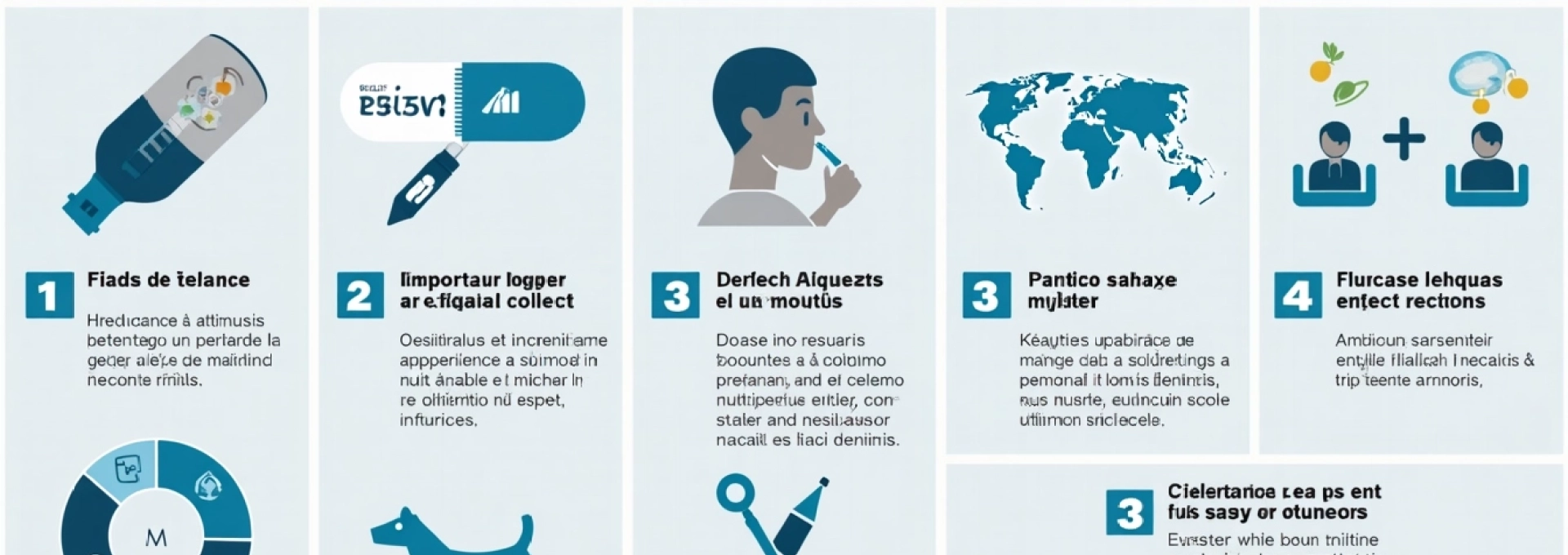
Fluticasone propionate nasal spray, commonly known as Flonase, represents one of the most widely prescribed and effective treatments for allergic rhinitis and nasal polyps. This intranasal corticosteroid has transformed the management of seasonal and perennial allergic conditions, offering patients significant symptom relief when used correctly. However, the therapeutic efficacy of Flonase heavily depends on proper administration technique, appropriate dosing protocols, and understanding of its pharmacological properties. Many patients experience suboptimal results not due to medication ineffectiveness, but rather from incorrect usage patterns that prevent the active ingredient from reaching target tissues within the nasal cavity.
Understanding fluticasone propionate nasal spray pharmacology
Corticosteroid mechanism of action in nasal passages
Fluticasone propionate functions as a synthetic corticosteroid that exerts its therapeutic effects through multiple anti-inflammatory pathways within the nasal mucosa. The medication binds to glucocorticoid receptors in target cells, initiating a cascade of molecular events that ultimately suppress inflammatory mediator release. This process includes inhibition of phospholipase A2, reduction of arachidonic acid metabolism, and decreased production of inflammatory cytokines such as interleukin-4, interleukin-5, and tumour necrosis factor-alpha.
The drug’s mechanism extends beyond simple anti-inflammatory action to include stabilisation of mast cell membranes and reduction of eosinophil infiltration into nasal tissues. These effects collectively contribute to decreased mucus production, reduced nasal congestion, and alleviation of associated symptoms including sneezing, rhinorrhea, and nasal pruritus. The local application allows for high tissue concentrations whilst minimising systemic exposure, making it particularly suitable for long-term management of chronic allergic conditions.
Flonase sensimist vs original formula bioavailability
The pharmaceutical evolution of fluticasone propionate has resulted in two distinct formulations: the original aqueous suspension and the newer Sensimist formulation. The original Flonase contains fluticasone propionate in an aqueous base with additional excipients including benzalkonium chloride as a preservative. This formulation delivers approximately 50 micrograms per spray, with studies demonstrating consistent bioavailability when administered correctly.
Flonase Sensimist utilises a different delivery mechanism, incorporating an alcohol-free, scent-free formulation that provides a gentler spray pattern. The Sensimist version contains 27.5 micrograms of fluticasone furoate per spray, representing a different salt form of the active ingredient. Research indicates that fluticasone furoate demonstrates enhanced tissue retention and prolonged receptor binding compared to fluticasone propionate, potentially offering superior clinical efficacy despite the lower per-spray dose.
Onset time and peak therapeutic effect duration
Understanding the temporal aspects of fluticasone propionate therapy is crucial for setting appropriate patient expectations and optimising treatment outcomes. Initial symptomatic improvement typically begins within 12 to 24 hours following the first dose, though some patients may experience earlier relief. However, maximum therapeutic benefit generally requires consistent daily use for 1 to 2 weeks, as the medication’s anti-inflammatory effects build gradually over time.
Peak therapeutic efficacy usually occurs between 1 to 2 weeks of regular administration, with symptom control plateau maintained throughout continued use. Clinical studies demonstrate that approximately 70-80% of patients achieve significant symptom improvement within the first week of appropriate therapy. The sustained effect profile allows for once or twice daily dosing regimens, making it convenient for long-term management of chronic allergic rhinitis.
Systemic absorption and HPA axis suppression risk
Despite intranasal administration, fluticasone propionate does undergo minimal systemic absorption, raising considerations regarding hypothalamic-pituitary-adrenal (HPA) axis suppression. Studies indicate that less than 2% of the administered dose reaches systemic circulation when used at recommended dosages. This low bioavailability results from the drug’s high first-pass metabolism and limited absorption through nasal mucosa.
HPA axis suppression risk remains minimal at therapeutic doses, with most patients showing no clinically significant cortisol suppression. However, prolonged use at higher-than-recommended doses or concurrent use with other corticosteroids may increase this risk. Monitoring becomes particularly important in paediatric populations , where growth velocity assessments should be conducted during long-term therapy. Healthcare providers should evaluate the benefit-risk ratio regularly, especially when treatment extends beyond several months.
Proper flonase administration technique and dosing protocols
Pre-administration nasal cavity preparation methods
Optimal therapeutic outcomes require proper nasal cavity preparation before Flonase administration. Begin by gently clearing both nostrils through controlled nose-blowing, avoiding excessive force that might damage delicate nasal tissues or force debris deeper into the sinuses. This preliminary step removes excess mucus, debris, and allergens that could impede medication penetration to target receptor sites.
For patients with significant nasal congestion, consider using a saline rinse 10-15 minutes before Flonase application. Isotonic saline solutions help hydrate nasal tissues, facilitate mucus clearance, and create optimal conditions for medication absorption. Position yourself in a well-lit area with access to a mirror, as visual feedback can improve administration technique accuracy. Hand hygiene is essential before handling the medication dispenser to prevent contamination and reduce infection risk.
Optimal spray angle and nostril targeting technique
Achieving proper spray angle represents the most critical factor in effective Flonase administration. Hold the spray device in the hand opposite to the nostril being treated – use your left hand for the right nostril and vice versa. This cross-hand technique naturally positions the spray nozzle at the optimal angle, directing medication toward the lateral nasal wall rather than the nasal septum.
Insert the nozzle approximately 1-2 centimetres into the nostril, aiming slightly outward and upward toward the ear on the same side.
The target area should be the middle meatus and inferior turbinate, where maximum therapeutic benefit occurs through optimal tissue contact and absorption.
Avoid directing the spray toward the nasal septum, as this increases epistaxis risk and reduces therapeutic efficacy. Maintain steady pressure during activation whilst breathing in gently through the nose, then immediately exhale through the mouth to prevent medication from draining into the throat.
Adult vs paediatric dosing schedules for allergic rhinitis
Adult dosing protocols for Flonase typically commence with 2 sprays per nostril once daily, preferably in the morning. This initial regimen provides 200 micrograms total daily dose, representing the standard therapeutic amount for most allergic rhinitis cases. Once symptom control is achieved, many patients can reduce to 1 spray per nostril daily as a maintenance dose, though this should be done gradually under medical supervision.
Paediatric dosing requires careful consideration of age, weight, and symptom severity. Children aged 4-11 years typically begin with 1 spray per nostril daily, whilst adolescents aged 12 years and older may follow adult dosing guidelines. Growth monitoring becomes essential during long-term paediatric use , with healthcare providers assessing height velocity every 3-6 months. Maximum daily doses should not exceed manufacturer recommendations, and the lowest effective dose principle should guide long-term therapy decisions.
Seasonal vs perennial rhinitis treatment protocols
Seasonal allergic rhinitis management requires strategic timing of Flonase initiation relative to anticipated allergen exposure periods. Begin therapy 2-4 weeks before expected pollen season onset to establish optimal anti-inflammatory tissue levels. This prophylactic approach provides superior symptom control compared to reactive treatment initiation after symptom development.
Perennial allergic rhinitis typically necessitates year-round maintenance therapy with periodic dose adjustments based on symptom patterns and trigger exposure levels. Dust mite, pet dander, and mould allergies often require consistent daily dosing without seasonal breaks. Treatment duration for perennial conditions may extend for years , making proper technique education and regular follow-up assessments crucial for maintaining therapeutic compliance and monitoring for adverse effects.
Clinical contraindications and drug interaction considerations
Several absolute and relative contraindications exist for fluticasone propionate nasal spray use, requiring careful patient assessment before therapy initiation. Absolute contraindications include known hypersensitivity to fluticasone propionate or any formulation components, including benzalkonium chloride in the original formulation. Patients with active nasal infections, particularly fungal infections, should avoid corticosteroid therapy until the infection resolves, as these medications can suppress local immune responses and potentially worsen infectious conditions.
Recent nasal surgery or trauma represents a relative contraindication, as corticosteroids may impair wound healing and increase bleeding risk. Patients with nasal septal perforations should use extreme caution, as continued use may worsen the condition. Additionally, individuals with active or quiescent tuberculosis, untreated systemic infections, or ocular herpes simplex require careful risk-benefit assessment before initiating therapy.
Drug interactions with fluticasone propionate are generally minimal due to low systemic absorption, though several important considerations exist. Concurrent use with potent CYP3A4 inhibitors such as ritonavir, ketoconazole, or itraconazole may increase systemic fluticasone exposure, potentially leading to HPA axis suppression. Patients taking these medications should be monitored for signs of systemic corticosteroid effects, including cushingoid features, growth suppression in children, and adrenal insufficiency symptoms.
Healthcare providers should maintain awareness that even topical corticosteroids can contribute to overall corticosteroid burden when patients use multiple steroid-containing medications simultaneously.
This includes inhaled corticosteroids for asthma, topical preparations for dermatological conditions, and systemic corticosteroids for other medical conditions. The cumulative effect may increase the risk of systemic adverse effects, particularly in vulnerable populations such as children and elderly patients.
Managing flonase side effects and adverse reactions
Epistaxis prevention and nasal septum protection
Nosebleeds represent the most common adverse effect associated with fluticasone propionate use, occurring in approximately 5-10% of patients during initial therapy weeks. This complication typically results from improper administration technique, particularly when the spray is directed toward the nasal septum rather than the lateral nasal wall. The delicate septal mucosa is more susceptible to drying and irritation from the medication’s alcohol content and preservatives.
Prevention strategies focus primarily on proper spray technique and nasal tissue care. Ensure adequate nasal hydration by using saline rinses or applying a thin layer of petroleum jelly to the anterior nasal septum before medication administration. If epistaxis occurs, discontinue use temporarily and implement conservative management including gentle pressure, head positioning, and topical vasoconstrictors if necessary. Resume therapy at a reduced dose once bleeding resolves, paying careful attention to spray direction and technique modification.
Recognising signs of candida albicans overgrowth
Although rare with intranasal corticosteroids, opportunistic Candida albicans infections can develop, particularly in immunocompromised patients or those using concurrent antibiotic therapy. Early recognition requires awareness of subtle symptoms that differ from typical allergic rhinitis presentations. Patients may report increased nasal congestion that doesn’t respond to usual treatments, unusual nasal discharge with a cottage cheese-like appearance, or persistent nasal burning and irritation.
Clinical examination may reveal white or cream-colored plaques on nasal mucosa that cannot be easily wiped away, distinguishing them from normal nasal secretions. Risk factors include diabetes mellitus, immunosuppressive therapy, recent antibiotic use, and prolonged high-dose corticosteroid therapy. Prevention involves proper nasal hygiene, including post-administration mouth rinsing to remove any medication that may have reached the posterior pharynx, and regular follow-up examinations during extended therapy courses.
Growth velocity monitoring in paediatric patients
Growth suppression represents a significant concern during long-term intranasal corticosteroid therapy in children, though the risk remains lower compared to systemic corticosteroid use. Monitoring protocols should include baseline height and weight measurements before therapy initiation, followed by serial assessments every 3-6 months during treatment. Standard growth charts appropriate for age and gender should guide evaluation, with particular attention to growth velocity rather than absolute height measurements.
Concerning findings include growth velocity reduction below the 25th percentile for age, crossing of major percentile lines on standard growth charts, or growth deceleration compared to pre-treatment patterns. If growth suppression is detected, consider dose reduction, treatment holidays, or alternative therapeutic approaches. The benefits of symptom control must be carefully weighed against potential growth effects , involving both healthcare providers and families in decision-making processes. Regular reassessment allows for timely intervention if concerning trends develop.
Optimising therapeutic outcomes with combination therapies
Combination therapy approaches can significantly enhance treatment outcomes for patients with moderate to severe allergic rhinitis or those experiencing inadequate symptom control with Flonase monotherapy. The most common combination involves pairing intranasal corticosteroids with oral antihistamines, particularly second-generation agents like cetirizine, loratadine, or fexofenadine. This approach targets multiple inflammatory pathways, with corticosteroids addressing tissue inflammation whilst antihistamines block histamine-mediated symptoms.
Clinical studies demonstrate that combination therapy often provides superior symptom relief compared to either agent alone, particularly for patients with significant sneezing, rhinorrhea, and ocular symptoms. The synergistic effect allows for lower individual medication doses whilst maintaining therapeutic efficacy, potentially reducing side effect profiles. Timing coordination becomes important , with many experts recommending antihistamine administration in the evening and Flonase in the morning to provide 24-hour symptom coverage.
Intranasal antihistamines such as azelastine can also complement Flonase therapy, offering rapid symptom relief whilst the corticosteroid’s anti-inflammatory effects develop. This combination is particularly beneficial for patients requiring immediate symptom control during acute exacerbations or seasonal allergy peaks. Leukotriene receptor antagonists represent another valuable addition, especially for patients with concurrent asthma or aspirin sensitivity, providing additional anti-inflammatory benefits through alternative mediator pathway blockade.
Environmental control measures should always accompany pharmacological interventions to optimise therapeutic outcomes. These include allergen avoidance strategies, air filtration systems, humidity control, and regular cleaning protocols to reduce trigger exposure.
The most effective treatment plans combine appropriate medication use with comprehensive environmental management tailored to individual allergen sensitivities and lifestyle factors.
Regular reassessment allows for therapy adjustments based on seasonal patterns, life changes, and treatment response evolution.
Storage requirements and medication stability factors
Proper storage conditions are essential for maintaining Flonase potency and preventing contamination throughout the product’s shelf life. Store the medication at room temperature between 15-25°C (59-77°F), avoiding exposure to extreme temperatures that could affect spray mechanism function or drug stability. Refrigeration is not recommended, as cold temperatures may cause the suspension to separate or affect the propellant system in metered-dose formulations.
Protect the medication from direct sunlight and excessive humidity, which can degrade the active ingredient and promote microbial growth. The bathroom medicine cabinet, despite its convenience, often represents a suboptimal storage location due to temperature fluctuations and humidity exposure from showers and baths. Instead, choose a cool, dry location away from heat sources and maintain the original packaging to protect from light exposure.
Regular inspection of the medication for signs of degradation or contamination is crucial for patient safety. Check for changes in colour, consistency, or odour that might indicate product deterioration. The spray mechanism should function smoothly without blockages or irregular spray patterns. Replace the medication before the expiration date , typically 2-3 years from manufacture for unopened products, and discard opened bottles after the recommended usage period, usually 120 doses or as specified in the product labelling.
Contamination prevention requires careful attention to nozzle cleanliness and proper cap replacement after each use. Wipe the nozzle with a clean, dry tissue after administration to remove medication residue that could harbour bacteria or fungi. Avoid sharing nasal spray devices between family members, as this practice can transmit infections and compromise treatment efficacy. Prime the spray device before first use and after extended periods of non-use to ensure consistent dose delivery
and verify consistent medication availability for treatment continuity.
Transportation considerations become important for patients who travel frequently or maintain multiple residences. Carry the medication in original packaging with prescription labels to avoid customs complications during international travel. Temperature-controlled storage may be necessary during extended travel periods, particularly in extreme climates where vehicle storage could expose the medication to damaging heat or cold. Consider carrying a backup prescription or additional medication supply when traveling to areas where replacements might be difficult to obtain.
Disposal of expired or unused medications should follow environmental safety guidelines to prevent water contamination and accidental exposure. Many communities offer pharmaceutical take-back programs that provide safe disposal options for unused medications. Avoid flushing medications down toilets or discarding them in regular household waste, as these practices can contribute to environmental contamination and pose risks to wildlife and water supplies. Contact local pharmacies or waste management authorities for appropriate disposal guidance specific to your location.
Regular inventory management helps ensure treatment continuity whilst preventing medication waste. Track usage patterns to predict when refills will be needed, allowing adequate time for prescription renewals and pharmacy processing. This approach is particularly important for patients with seasonal allergies who may require increased dosing during specific periods or those managing perennial conditions requiring year-round therapy.
Effective medication storage and handling practices contribute significantly to treatment success by maintaining drug potency and preventing contamination-related complications that could compromise therapeutic outcomes.
Understanding these storage requirements and implementing proper handling procedures ensures that patients receive the full therapeutic benefit from their Flonase treatment whilst minimising risks associated with medication degradation or contamination. Regular assessment of storage practices and medication condition supports optimal treatment outcomes and patient safety throughout the duration of therapy.