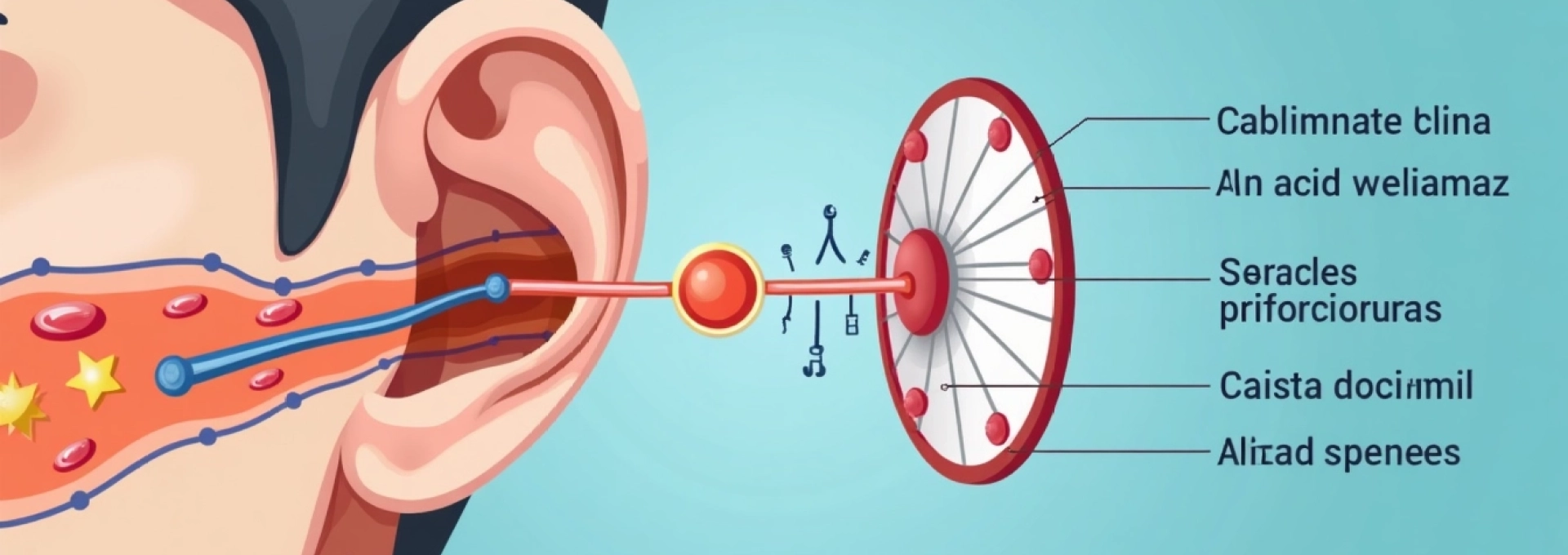
Swimmer’s ear, medically termed acute otitis externa, affects millions of individuals annually, particularly those who frequently expose their ears to moisture-rich environments. This painful bacterial infection of the external auditory canal can transform routine activities into uncomfortable ordeals, causing significant inflammation, discharge, and hearing difficulties. Ciprodex represents a sophisticated therapeutic solution that combines the antimicrobial power of ciprofloxacin with the anti-inflammatory properties of dexamethasone, creating a dual-action treatment specifically formulated for ototopical application. Understanding how this medication works at the molecular level provides valuable insight into why it remains a first-line treatment choice for healthcare professionals managing outer ear infections.
Ciprofloxacin and dexamethasone Dual-Action mechanism in otitis externa treatment
The therapeutic efficacy of Ciprodex stems from its carefully engineered combination of two distinct pharmaceutical agents, each targeting different aspects of the infectious process. This dual-action approach addresses both the microbial cause and the inflammatory response that characterises swimmer’s ear, providing comprehensive treatment that reduces both infection duration and symptom severity.
Ciprofloxacin’s bactericidal DNA gyrase inhibition against pseudomonas aeruginosa
Ciprofloxacin, a fluoroquinolone antibiotic, functions as the primary antimicrobial component within the Ciprodex formulation. This broad-spectrum antibiotic demonstrates exceptional activity against Pseudomonas aeruginosa , the most commonly implicated pathogen in swimmer’s ear infections. The mechanism involves selective inhibition of bacterial DNA gyrase, an essential enzyme responsible for DNA supercoiling during bacterial replication. By disrupting this critical process, ciprofloxacin prevents bacterial cells from reproducing effectively, ultimately leading to bacterial death rather than merely inhibiting growth.
The concentration of ciprofloxacin in Ciprodex reaches levels significantly higher than those achievable through systemic administration, ensuring rapid bacterial eradication within the infected ear canal. This localised delivery system minimises systemic exposure while maximising therapeutic effectiveness at the site of infection.
Dexamethasone’s Anti-Inflammatory glucocorticoid receptor modulation
Dexamethasone serves as the corticosteroid component, providing potent anti-inflammatory action that complements the antimicrobial effects of ciprofloxacin. This synthetic glucocorticoid binds to intracellular glucocorticoid receptors, forming complexes that migrate to cell nuclei and modulate gene transcription. The resulting cascade suppresses the production of inflammatory mediators, including prostaglandins, leukotrienes, and various cytokines that contribute to the painful swelling and tissue damage characteristic of otitis externa.
The anti-inflammatory action of dexamethasone provides rapid symptomatic relief, reducing pain, itching, and discharge within the first 24-48 hours of treatment. This immediate improvement in patient comfort encourages treatment compliance, which proves crucial for achieving complete bacterial eradication and preventing recurrence.
Synergistic antimicrobial and corticosteroid interaction pathways
The combination of ciprofloxacin and dexamethasone creates synergistic effects that exceed the sum of their individual contributions. Dexamethasone enhances tissue penetration of ciprofloxacin by reducing inflammatory swelling that might otherwise impede drug distribution throughout infected tissues. Simultaneously, the rapid reduction in inflammation facilitates better drainage of infected material, creating an environment less conducive to bacterial survival and reproduction.
Research demonstrates that this synergistic relationship accelerates healing times and reduces the likelihood of treatment failure compared to single-agent therapies. The combined approach addresses both the immediate symptoms that cause patient discomfort and the underlying bacterial infection that perpetuates the condition.
Ototopical drug delivery through external auditory canal absorption
The ototopical delivery system employed by Ciprodex ensures optimal drug concentration at the infection site while minimising systemic absorption. The suspension formulation maintains drug contact with infected tissues for extended periods, allowing for sustained therapeutic action between dosing intervals. This localised delivery approach achieves tissue concentrations that would be impossible through oral or systemic routes, explaining the superior efficacy observed in clinical trials.
The formulation’s viscosity and surface tension properties facilitate even distribution throughout the ear canal, ensuring comprehensive coverage of infected epithelial surfaces. This thorough coverage proves particularly important when treating infections that may extend deeper into the ear canal or involve multiple bacterial species.
Pathophysiology of swimmer’s ear and ciprodex’s targeted therapeutic response
Understanding the pathophysiological cascade that leads to swimmer’s ear provides crucial context for appreciating how Ciprodex interrupts this process at multiple intervention points. The condition typically begins with disruption of the ear canal’s natural protective mechanisms, creating an environment conducive to bacterial colonisation and subsequent infection.
Staphylococcus aureus and enterobacter species eradication mechanisms
While Pseudomonas aeruginosa remains the primary pathogen in swimmer’s ear, Staphylococcus aureus and various Enterobacter species frequently contribute to polymicrobial infections. Ciprofloxacin’s broad-spectrum activity proves essential in addressing these diverse bacterial populations simultaneously. The antibiotic’s mechanism of action remains consistent across these species, targeting the universally essential DNA gyrase enzyme that bacteria require for genetic replication.
The concentration-dependent killing characteristics of ciprofloxacin ensure rapid bacterial eradication, particularly important when treating mixed infections where different species might exhibit varying degrees of antibiotic resistance. This comprehensive antimicrobial coverage reduces the risk of treatment failure and prevents the emergence of resistant bacterial strains that could complicate future infections.
Inflammatory mediator suppression in infected epithelial tissue
The inflammatory response in otitis externa involves complex interactions between bacterial toxins, host immune responses, and tissue damage cascades. Dexamethasone interrupts multiple points within this inflammatory pathway, suppressing the release of histamine, reducing capillary permeability, and inhibiting the recruitment of inflammatory cells to the infection site. This multi-target approach provides comprehensive anti-inflammatory coverage that addresses both immediate symptoms and the underlying tissue damage that perpetuates the infection.
Clinical studies demonstrate that patients treated with the ciprofloxacin-dexamethasone combination experience significantly faster resolution of pain, itching, and discharge compared to those receiving antibiotic-only treatments. This rapid symptomatic improvement translates into better patient satisfaction and reduced healthcare utilisation for persistent symptoms.
Cerumen disruption and bacterial biofilm penetration efficacy
Bacterial biofilms represent a significant challenge in treating chronic or recurrent ear infections, as these protective matrices shield bacteria from antimicrobial agents and host immune responses. The formulation characteristics of Ciprodex demonstrate enhanced penetration through these biofilm structures, disrupting the protective environment that allows bacteria to persist despite treatment attempts.
The combination therapy proves particularly effective against established biofilms because dexamethasone reduces the inflammatory exudate that can trap bacteria within protective matrices, while ciprofloxacin penetrates these disrupted structures to achieve bactericidal concentrations. This dual-action approach explains the superior efficacy observed in treating recurrent infections where biofilm formation likely contributes to treatment resistance.
Tympanic membrane protection during acute otitis externa episodes
Severe cases of otitis externa can progress to involve the tympanic membrane, potentially leading to perforation or secondary middle ear complications. The anti-inflammatory action of dexamethasone helps preserve tympanic membrane integrity by reducing the inflammatory pressure and enzymatic damage that can weaken this critical structure. This protective effect proves particularly valuable in preventing the progression from external ear infection to more serious middle ear complications.
The ototopical application ensures that therapeutic concentrations reach the tympanic membrane area without the systemic effects associated with oral corticosteroid therapy. This localised approach provides targeted protection while avoiding the potential complications of systemic anti-inflammatory treatment.
Clinical pharmacokinetics and ototoxicity safety profile
The pharmacokinetic profile of ototopically administered Ciprodex differs significantly from systemic fluoroquinolone therapy, offering distinct advantages in terms of both efficacy and safety. Following topical application, ciprofloxacin achieves concentrations in ear canal tissues that exceed minimum inhibitory concentrations for common pathogens by several orders of magnitude. These high local concentrations ensure rapid bacterial killing while maintaining systemic drug levels well below those associated with adverse effects.
Dexamethasone, when applied topically to the ear canal, demonstrates minimal systemic absorption due to the limited surface area and relatively intact epithelial barrier in most cases. This localised distribution pattern reduces the risk of systemic corticosteroid effects while maintaining therapeutic anti-inflammatory activity at the site of infection. Studies measuring plasma concentrations following ototopical dexamethasone application consistently demonstrate levels below the threshold for systemic effects, even with prolonged treatment courses.
The ototoxicity profile of Ciprodex compares favourably to many alternative treatments, particularly aminoglycoside-containing preparations that carry significant risks of sensorineural hearing loss. Neither ciprofloxacin nor dexamethasone demonstrates significant ototoxic potential when applied topically to intact tympanic membranes, making this combination suitable for patients where hearing preservation represents a primary concern.
Clinical trials involving over 1,000 patients with otitis externa demonstrated that Ciprodex treatment resulted in clinical cure rates exceeding 90% after seven days of therapy, with adverse events reported in fewer than 5% of patients.
The elimination kinetics of both active ingredients favour twice-daily dosing, with sustained therapeutic concentrations maintained between doses due to the depot effect created by the suspension formulation. This dosing convenience improves patient compliance while ensuring consistent antimicrobial and anti-inflammatory activity throughout the treatment period.
Ciprodex administration protocols for optimal therapeutic outcomes
Proper administration technique significantly influences treatment outcomes with Ciprodex, as inadequate drug delivery to infected tissues can result in treatment failure and potentially contribute to antimicrobial resistance development. The recommended protocol involves specific positioning and manipulation techniques designed to maximise drug penetration throughout the infected ear canal while ensuring patient comfort and safety.
Before application, you should warm the medication to body temperature by holding the container in your hands for 1-2 minutes, as cold drops can trigger dizziness or discomfort due to stimulation of the vestibular system. The ear canal should be gently straightened by pulling the outer ear upward and backward in adults, or downward and backward in children, to facilitate complete drug distribution throughout the canal length.
Following drop instillation, maintaining the treated ear in an upward position for at least 60 seconds ensures adequate contact time between the medication and infected tissues. This contact time proves critical for achieving the sustained drug concentrations necessary for bacterial eradication and inflammatory suppression. For patients with extensive canal inflammation or debris, gentle massage of the external ear can help distribute the medication more effectively.
The standard dosing regimen of four drops twice daily for seven days achieves optimal clinical outcomes while minimising the risk of bacterial resistance development or adverse effects.
Treatment duration represents another critical factor in achieving optimal outcomes. Completing the full seven-day course remains essential even when symptoms resolve earlier, as premature discontinuation can lead to bacterial persistence and potential resistance development. You should avoid swimming or water exposure to the treated ear during therapy, as moisture can dilute the medication and potentially introduce additional pathogens.
Patients experiencing persistent or worsening symptoms after 48-72 hours of appropriate therapy may require reassessment for alternative pathogens, anatomical complications, or underlying conditions that predispose to treatment failure. In such cases, culture and sensitivity testing can guide alternative therapeutic approaches while ensuring optimal patient outcomes.
Comparative efficacy against alternative ototopical antibiotic combinations
Clinical comparative studies consistently demonstrate superior efficacy of the ciprofloxacin-dexamethasone combination compared to alternative ototopical therapies for treating otitis externa. Head-to-head trials against neomycin-polymyxin-hydrocortisone combinations show significantly higher cure rates and faster symptom resolution with Ciprodex, particularly in cases involving Pseudomonas aeruginosa infections where neomycin demonstrates limited activity.
The broader antimicrobial spectrum of ciprofloxacin proves advantageous in treating polymicrobial infections or cases where the causative organism remains unidentified. Unlike aminoglycoside-based combinations that may require supplementary therapy for gram-positive organisms, the fluoroquinolone component provides comprehensive coverage against both gram-positive and gram-negative bacteria commonly encountered in otitis externa.
Safety comparisons favour Ciprodex over alternative combinations, particularly regarding ototoxicity risk and allergic reaction potential. Neomycin-containing preparations carry well-documented risks of both contact sensitisation and sensorineural hearing loss, especially when used in patients with tympanic membrane perforation. The superior safety profile of Ciprodex allows for confident use in diverse patient populations, including those with uncertain tympanic membrane integrity.
Cost-effectiveness analyses indicate that despite higher initial acquisition costs, Ciprodex treatment results in lower overall healthcare expenditure due to reduced treatment failures, fewer follow-up visits, and decreased need for systemic antibiotic therapy. The rapid symptom resolution achieved with this combination also translates into reduced work absence and improved quality of life metrics compared to alternative treatments.
Emerging resistance patterns favour continued ciprofloxacin use over older antimicrobial agents, as surveillance data demonstrate maintained susceptibility rates for common otitis externa pathogens. The combination with dexamethasone may actually help preserve antimicrobial efficacy by enhancing drug penetration and reducing the inflammatory environment that can protect bacteria from antibiotic action. This resistance profile supports the continued role of Ciprodex as a first-line therapy for uncomplicated otitis externa cases.