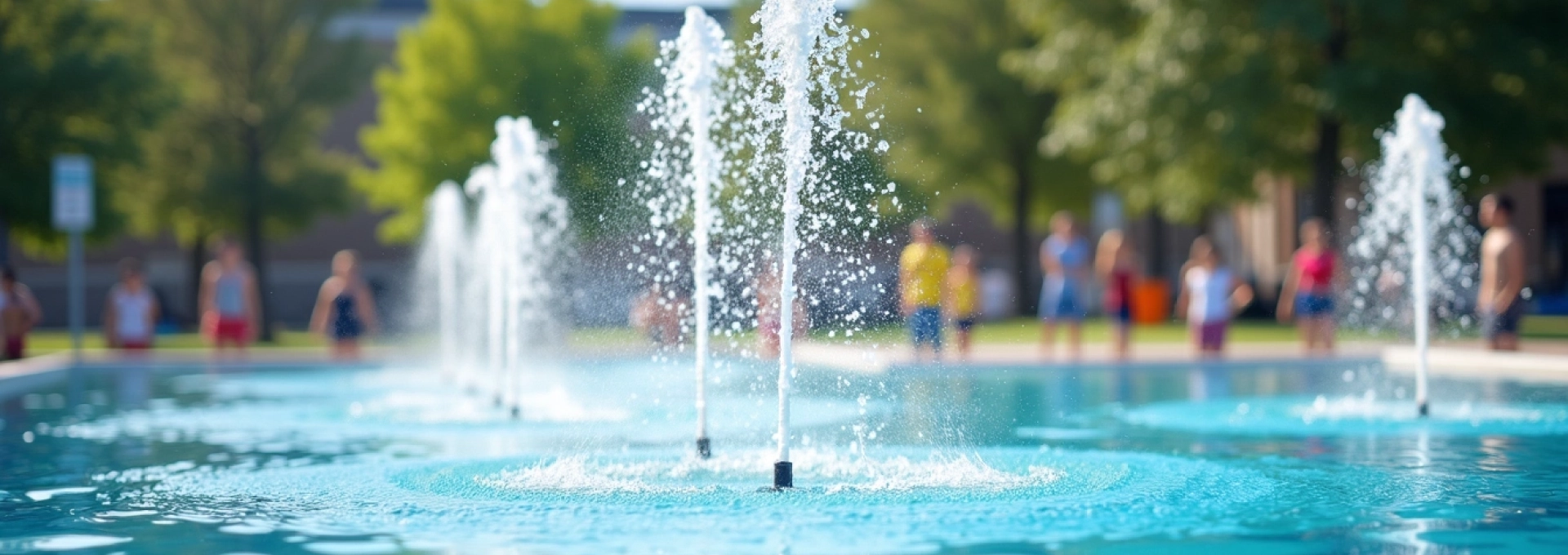
The popularity of splash pads has surged dramatically over the past two decades, transforming from novelty water features into essential community amenities found in parks, hotels, and leisure centres across Britain. These interactive water playgrounds offer an appealing alternative to traditional swimming pools, particularly for families with young children who benefit from the reduced drowning risk associated with shallow or non-standing water designs. However, beneath the surface of these seemingly innocent water features lies a complex web of microbiological challenges that demand serious consideration from both facility operators and public health professionals.
Recent data from the United States Centers for Disease Control and Prevention reveals a sobering reality: between 1997 and 2022, splash pads were linked to at least 60 documented disease outbreaks, resulting in over 10,000 illnesses and 152 hospitalisations. These figures represent only the tip of the iceberg , as many cases go unreported or unlinked to their aquatic sources. The unique design characteristics that make splash pads attractive to families—minimal standing water, recirculating systems, and high user density—also create perfect conditions for pathogenic microorganisms to thrive and spread.
Waterborne pathogen transmission risks in interactive water features
Interactive water features present a distinctly different microbiological landscape compared to traditional swimming pools, primarily due to their design philosophy and operational patterns. The fundamental challenge lies in the concentration of contamination sources within relatively small water volumes, combined with the aerosolisation effects of spray jets and fountains. Unlike conventional pools where bathers are typically submerged and contaminants are diluted across large water volumes, splash pads concentrate exposure through direct spray contact and inadvertent ingestion of water droplets.
The transmission pathways in splash pad environments are multifaceted and interconnected. Primary routes include direct ingestion of contaminated water, inhalation of aerosolised pathogens, and contact transmission through contaminated surfaces. Children are particularly vulnerable due to their tendency to place hands and objects in their mouths, their limited understanding of hygiene protocols, and their propensity to engage in behaviours that maximise pathogen exposure, such as drinking directly from jets or playing with contaminated debris.
Cryptosporidium oocyst survival rates in chlorinated splash pad systems
Cryptosporidium presents perhaps the most significant challenge in splash pad sanitation due to its exceptional resistance to standard chlorination protocols. This parasitic protozoan forms highly resilient oocysts that can survive in properly chlorinated water for days or even weeks, maintaining their infectivity throughout extended exposure periods. Research indicates that Cryptosporidium parvum oocysts require chlorine concentrations of 80 mg/L for 90 minutes to achieve a 3-log reduction, far exceeding the practical limits of most splash pad disinfection systems.
The survival characteristics of Cryptosporidium oocysts are particularly problematic in splash pad environments where water turnover rates may be insufficient to maintain adequate disinfectant contact times. Studies have demonstrated that oocysts can remain viable in splash pad water systems for periods extending beyond typical operational cycles, creating persistent contamination reservoirs that standard maintenance protocols fail to address effectively.
Pseudomonas aeruginosa biofilm formation on spray nozzle surfaces
Pseudomonas aeruginosa represents a particularly insidious threat in splash pad systems due to its ability to form robust biofilms on wet surfaces, particularly within the complex geometries of spray nozzles and water distribution systems. These biofilms provide protected environments where bacteria can multiply rapidly while remaining largely immune to standard disinfection protocols. The organism thrives in warm, moist conditions and can utilise minimal organic compounds for growth, making splash pad environments ideal for colonisation.
Biofilm-associated Pseudomonas infections can cause serious complications, particularly in children with compromised immune systems or existing respiratory conditions. The bacterium is capable of producing various virulence factors and can develop resistance to multiple antimicrobial agents, making treatment challenging once infections are established.
Legionella pneumophila growth conditions in recirculating water systems
Recirculating splash pad systems create optimal conditions for Legionella pneumophila proliferation, particularly in scenarios where water temperatures fluctuate between 20-45°C and adequate biocide levels are not maintained consistently. The bacterium multiplies within biofilms and can achieve dangerous concentrations in stagnant areas of water distribution systems, including dead legs, low-flow zones, and sediment deposits within storage tanks.
The aerosolisation inherent in splash pad operation significantly increases the risk of Legionella transmission through inhalation of contaminated water droplets. Unlike traditional waterborne transmission routes, aerosol exposure can result in severe pneumonic legionellosis, particularly in vulnerable populations including elderly users and individuals with underlying respiratory conditions.
Norovirus contamination vectors through Faecal-Oral transmission routes
Norovirus contamination in splash pad environments follows predictable patterns centred on faecal-oral transmission pathways, with particular emphasis on the role of asymptomatic shedding and pre-symptomatic individuals. The virus demonstrates remarkable persistence in aquatic environments and can remain infectious in water for weeks under appropriate conditions. Even minimal contamination events can result in widespread exposure due to the virus’s extremely low infectious dose—as few as 10-100 viral particles can establish infection in susceptible individuals.
The challenge with norovirus in splash pad settings is compounded by the virus’s resistance to many standard disinfection protocols and its ability to survive on surfaces for extended periods. Contaminated play surfaces, handrails, and equipment can serve as secondary transmission vectors, creating multiple exposure opportunities beyond direct water contact.
Water treatment technologies and filtration protocols
Modern splash pad water treatment systems have evolved significantly from the rudimentary recirculation designs of early installations, incorporating sophisticated multi-barrier approaches that address the unique challenges posed by high bather loads and diverse contamination sources. The selection and implementation of appropriate treatment technologies require careful consideration of site-specific factors including user demographics, operational patterns, water source characteristics, and local regulatory requirements.
Contemporary treatment protocols typically employ a combination of physical, chemical, and sometimes biological treatment processes designed to remove or inactivate pathogens while maintaining water quality suitable for recreational use. The effectiveness of these systems depends heavily on proper sizing, installation, and most critically, consistent maintenance and monitoring protocols that ensure optimal performance under varying operational conditions.
UV-C disinfection systems performance in High-Bather load environments
Ultraviolet disinfection systems operating at 254 nanometres have gained significant traction in splash pad applications due to their effectiveness against chlorine-resistant pathogens, particularly Cryptosporidium oocysts. UV systems provide instantaneous pathogen inactivation without producing chemical disinfection by-products, making them particularly attractive for facilities serving sensitive populations. However, UV system performance is critically dependent on water clarity and consistent maintenance of lamp output.
In high-bather load environments typical of popular splash pads, UV transmittance can be significantly reduced by organic matter, suspended solids, and biofilm formation on quartz sleeves. Regular monitoring of UV intensity and transmittance is essential to ensure adequate disinfection doses are maintained throughout operational periods. Recommended maintenance schedules typically include daily visual inspections, weekly transmittance measurements, and annual lamp replacement regardless of operational hours.
Ozonation process effectiveness against Chlorine-Resistant parasites
Ozonation represents one of the most potent disinfection technologies available for splash pad applications, demonstrating exceptional efficacy against resistant pathogens including Cryptosporidium and Giardia cysts. Ozone’s oxidative mechanism provides rapid pathogen inactivation while simultaneously improving water clarity through coagulation of suspended organic matter. The process requires precise control systems to maintain optimal ozone residuals while preventing excessive formation of potentially harmful oxidation by-products.
Implementation of ozonation systems in splash pad environments requires careful attention to contact time design and residual management. Unlike chlorine-based systems, ozone cannot maintain long-term residuals in the distribution system, necessitating secondary disinfectant systems for ongoing pathogen control. Ozone demand varies significantly with organic loading, requiring sophisticated monitoring and control systems to maintain effective treatment under varying bather loads.
Multi-stage sand filtration and cartridge filter maintenance schedules
Physical filtration forms the cornerstone of effective splash pad water treatment, with multi-stage systems incorporating both rapid sand filtration and high-efficiency cartridge filters becoming the industry standard for demanding applications. Sand filtration excels at removing larger particulates and providing biological treatment through biofilm activity within the filter bed, while cartridge systems capture fine particles and provide final polishing of water quality.
Maintenance schedules for filtration systems require careful calibration based on operational patterns and water quality monitoring results. Sand filters typically require backwashing when head loss reaches predetermined thresholds, usually every 24-72 hours depending on bather loads. Cartridge filters demand more frequent attention, with replacement intervals ranging from weekly to monthly based on pressure differential measurements and visual inspection results.
Automated chemical dosing systems and ph buffer management
Modern automated chemical dosing systems provide the precision and consistency required for effective splash pad water treatment, particularly given the rapid fluctuations in chemical demand associated with varying bather loads and environmental conditions. These systems typically incorporate multiple feed points, redundant monitoring capabilities, and sophisticated control algorithms that maintain optimal water chemistry parameters throughout operational periods.
pH buffer management presents particular challenges in splash pad environments due to the high surface area-to-volume ratios and significant CO2 exchange rates associated with spray features. Automated systems must compensate for these factors while maintaining pH levels within the narrow ranges required for optimal disinfectant efficacy. Total alkalinity management becomes critical for system stability, requiring coordinated control of multiple chemical feed systems.
Regulatory compliance standards and health department guidelines
The regulatory landscape governing splash pad operations in the United Kingdom presents a complex patchwork of national guidelines, local authority requirements, and industry standards that operators must navigate to ensure compliant operations. Unlike traditional swimming pools, which benefit from well-established regulatory frameworks, splash pads often exist in regulatory grey areas where standard pool codes may not adequately address the unique risks and operational characteristics of interactive water features.
The absence of comprehensive national standards for splash pad operations has led to significant variations in regulatory approaches across different jurisdictions, creating challenges for multi-site operators and potentially compromising public health protection. Recent initiatives by professional organisations and regulatory bodies aim to address these gaps through the development of specific guidance documents and model codes adapted to interactive water feature operations.
HSE workplace health and safety requirements for interactive water features
Health and Safety Executive guidelines for workplace safety extend to splash pad operations through multiple regulatory pathways, including the Management of Health and Safety at Work Regulations and the Control of Substances Hazardous to Health Regulations. Operators must demonstrate compliance with general duties of care while addressing the specific hazards associated with chemical handling, biological exposure risks, and the unique operational characteristics of interactive water systems.
Risk assessment requirements under HSE guidelines demand comprehensive evaluation of all operational aspects, from chemical storage and handling procedures to emergency response protocols for waterborne disease outbreaks. Documentation requirements are extensive , requiring detailed records of training programmes, maintenance activities, water quality monitoring results, and incident reporting procedures that demonstrate ongoing compliance with regulatory obligations.
Local authority licensing conditions and inspection protocols
Local authority licensing regimes vary significantly across the UK, with some jurisdictions treating splash pads as swimming pool analogues while others develop bespoke licensing conditions that reflect the unique characteristics of interactive water features. Common licensing conditions typically address water quality management, operator training requirements, public access controls, and emergency preparedness measures designed to protect public health and safety.
Inspection protocols implemented by environmental health departments increasingly incorporate risk-based approaches that focus on critical control points within water treatment systems and operational procedures. These inspections typically evaluate technical system performance, maintenance records, staff competency, and the adequacy of monitoring and response protocols for addressing water quality issues or public health emergencies.
Swimming pool and spa regulations adaptation for splash pad facilities
The adaptation of existing swimming pool and spa regulations to splash pad operations requires careful consideration of the fundamental differences in design philosophy, operational patterns, and risk profiles between these facility types. Traditional pool regulations often prove inadequate for addressing the unique challenges posed by spray features, recirculating systems, and the high-density, short-duration usage patterns typical of splash pad facilities.
Key areas requiring regulatory adaptation include water quality standards that account for the reduced dilution effects in low-volume systems, disinfection protocols that address the challenges posed by aerosolisation, and facility design standards that prevent the accumulation of contaminated debris while maintaining accessibility requirements. Regulatory flexibility becomes essential to accommodate innovative treatment technologies and operational approaches that may not fit traditional regulatory frameworks.
Risk assessment documentation and COSHH compliance requirements
COSHH compliance in splash pad operations encompasses a broad range of chemical and biological hazards that require systematic assessment and control. Chemical hazards include the storage, handling, and application of disinfectants, pH adjustment chemicals, and cleaning agents, while biological hazards encompass exposure to waterborne pathogens and the potential for occupational health impacts from aerosol exposure during maintenance activities.
Documentation requirements extend beyond simple hazard identification to include detailed control measures, emergency procedures, health surveillance protocols, and training records that demonstrate competent management of identified risks. Regular review and updating of risk assessments becomes particularly important in splash pad operations due to the evolving understanding of waterborne pathogen behaviour and the development of new treatment technologies.
Microbial testing methodologies and water quality monitoring
Effective water quality monitoring in splash pad environments requires sophisticated testing protocols that go beyond the traditional indicator organisms used in swimming pool management. The unique characteristics of interactive water features, including rapid water turnover, intense contamination loading, and diverse pathogen risks, necessitate comprehensive monitoring programmes that can detect problems before they result in public health incidents.
Modern testing methodologies increasingly incorporate rapid detection technologies that provide near real-time results, enabling operators to respond quickly to contamination events before widespread exposure occurs. Traditional culture-based methods, while still important for regulatory compliance, may require 24-72 hours for results, during which contaminated systems could expose hundreds of users to pathogenic organisms. The integration of multiple testing approaches provides the comprehensive oversight required for safe operations.
Sampling protocols must account for the spatial and temporal variability inherent in splash pad systems, where contamination may be unevenly distributed and pathogen concentrations can fluctuate rapidly based on usage patterns and system operation. Representative sampling requires careful consideration of system hydraulics, user behaviour patterns, and the residence time characteristics of different system components.
Quality assurance programmes become particularly critical given the high stakes associated with false negative results that could allow contaminated systems to continue operating. Laboratory certification, chain of custody procedures, and split sample protocols help ensure the reliability of monitoring data used for operational decision-making and regulatory compliance reporting.
Engineering design factors affecting sanitary conditions
The engineering design of splash pad systems fundamentally determines the facility’s ability to maintain sanitary conditions throughout its operational life. Critical design considerations include hydraulic residence time distribution, dead space minimisation, cleaning access provisions, and the integration of treatment system components in configurations that optimise both performance and maintainability. Poor design decisions made during the initial development phase can create persistent operational challenges that compromise public health protection regardless of management quality.
Surface design and material selection play crucial roles in preventing the accumulation of contaminated debris and facilitating effective cleaning protocols. Non-slip surfaces that meet safety requirements while preventing biofilm formation require careful specification of surface textures, drainage patterns, and material compositions that resist microbial colonisation. The balance between safety and sanitation often requires innovative approaches that may not be immediately apparent from traditional swimming pool design practices.
Water circulation and distribution systems must be designed to prevent stagnation while ensuring adequate mixing and treatment contact times. Complex spray patterns and multiple water features can create hydraulic challenges that result in short-circuiting, dead zones, and inadequate disinfectant distribution throughout the system. Computational fluid dynamics modelling increasingly plays a role in optimising system hydraulics during the design phase.
Integration of treatment systems requires careful attention to sequencing, sizing, and redundancy provisions that ensure continued operation during maintenance periods and equipment failures. The compact footprint requirements of many splash pad installations can create space constraints that compromise treatment system performance if not carefully managed during the design process. Modular treatment approaches and innovative equipment configurations help address these challenges while maintaining treatment effectiveness.
Comparative analysis: traditional swimming pools versus interactive water play areas
The fundamental differences between traditional swimming pools and interactive water play areas extend far beyond their obvious physical characteristics, encompassing distinct pathogen transmission pathways, treatment challenges, and operational requirements that demand different approaches to
public health protection. Traditional swimming pools operate on fundamentally different principles that create distinct advantages and challenges in maintaining sanitary conditions.
Volume-to-user ratios represent perhaps the most significant operational difference between these facility types. Traditional pools typically provide 50-100 litres of water per concurrent user, while splash pads may operate with as little as 5-10 litres per user during peak periods. This dramatic reduction in dilution capacity means that contamination events in splash pads create proportionally higher pathogen concentrations, increasing transmission risks and challenging treatment system capabilities.
Residence time characteristics also differ substantially between facility types. Swimming pools maintain relatively stable hydraulic conditions with turnover periods measured in hours, allowing adequate contact time for chemical disinfectants to achieve target pathogen kill rates. Splash pad systems, by contrast, often operate with turnover periods measured in minutes, creating challenges for maintaining effective disinfectant residuals throughout the water distribution system.
The exposure patterns in these environments create distinctly different risk profiles for users. Swimming pool users experience predominantly dermal contact with occasional inadvertent ingestion, while splash pad users face continuous aerosol exposure combined with higher rates of intentional water consumption, particularly among children who may drink directly from spray jets. These behavioural differences fundamentally alter the dose-response relationships for waterborne pathogens and require different approaches to risk assessment and control.
Maintenance accessibility presents another critical distinction between facility types. Traditional pool designs typically provide good access to all water-contact surfaces and treatment system components, facilitating thorough cleaning and maintenance procedures. Splash pad systems, with their complex spray arrays and underground distribution networks, can create maintenance challenges that compromise long-term sanitary conditions if not properly addressed during the design phase.
The seasonal operation patterns common to many splash pad facilities create additional operational challenges not typically encountered in traditional pool environments. Extended shutdown periods can promote biofilm development and pathogen persistence within distribution systems, requiring comprehensive recommissioning procedures before each operating season. Traditional pools, operating year-round with consistent water chemistry maintenance, avoid many of these seasonal contamination risks.
Treatment system sizing requirements reflect these fundamental operational differences, with splash pad systems requiring higher turnover rates and more aggressive treatment protocols to achieve equivalent public health protection levels. The capital and operational costs associated with these requirements often exceed those of traditional pool systems on a per-user basis, challenging common perceptions about the economic advantages of splash pad installations.
Regulatory oversight mechanisms also differ significantly between these facility types. Traditional swimming pools benefit from well-established regulatory frameworks developed over decades of operational experience, while splash pad regulations often represent adaptations of pool codes that may not adequately address the unique risks and operational characteristics of interactive water features. This regulatory gap can create compliance challenges for operators and potentially compromise public health protection.
User education requirements vary substantially between these environments due to different usage patterns and risk exposures. Traditional pool safety education focuses primarily on drowning prevention and basic hygiene practices, while splash pad education must address more complex behavioural modifications including avoidance of direct water consumption, proper hygiene practices for interactive play, and recognition of symptoms that should preclude facility use.
The integration of advanced treatment technologies shows different adoption patterns between facility types, with splash pads increasingly incorporating UV disinfection and ozonation systems that remain less common in traditional pool applications. These technology differences reflect the unique challenges posed by chlorine-resistant pathogens and the need for rapid, effective treatment in high-contamination environments.
Emergency response protocols for waterborne disease outbreaks also require different approaches between facility types. Traditional pool contamination events can often be addressed through immediate pool closure and superchlorination procedures, while splash pad systems may require more complex interventions including system drainage, comprehensive disinfection of distribution networks, and potentially extended closure periods to ensure complete pathogen elimination.
The evolution of design standards for both facility types reflects growing understanding of waterborne pathogen transmission mechanisms and treatment technology capabilities. However, the relative maturity of traditional pool design standards provides operational advantages that splash pad facilities are still developing, creating ongoing challenges for operators seeking to achieve equivalent public health protection levels.
Looking forward, the convergence of treatment technologies and operational protocols between facility types suggests potential opportunities for knowledge transfer and standardisation that could benefit both swimming pool and splash pad operations. The lessons learned from decades of traditional pool management provide valuable insights for addressing the emerging challenges associated with interactive water feature operations, while innovations developed for splash pad applications may offer benefits for traditional pool operators facing similar contamination challenges.
Understanding these comparative differences becomes essential for facility operators, regulators, and public health professionals seeking to optimise sanitary conditions across all types of aquatic recreational facilities. The unique characteristics of each facility type require tailored approaches to design, operation, and oversight that reflect their distinct risk profiles and operational requirements while maintaining the highest standards of public health protection.