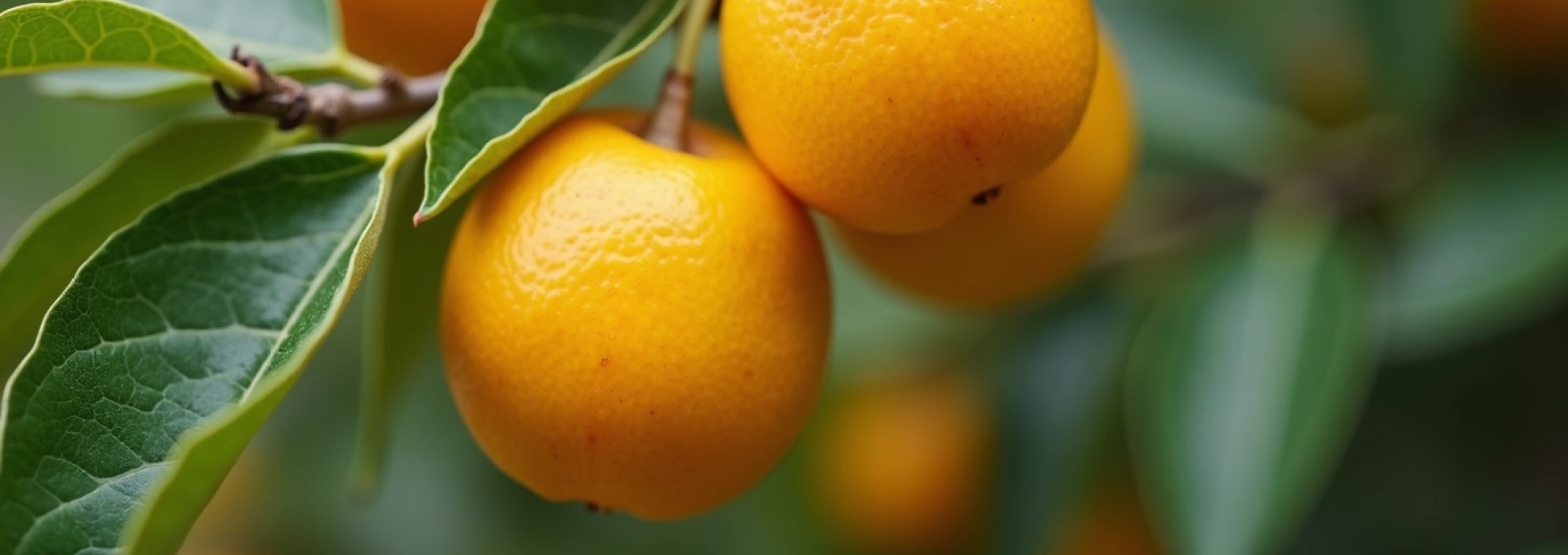
The sacred bael tree, scientifically known as Aegle marmelos , has been quietly establishing its presence across American markets and healthcare systems. This remarkable plant from the Rutaceae family brings centuries of traditional Ayurvedic wisdom to contemporary wellness practices. Native to the Indian subcontinent, this deciduous tree produces stone apples that contain an impressive array of bioactive compounds with proven therapeutic properties.
American consumers are increasingly discovering the potential of this ancient remedy as research validates its traditional uses. From speciality health food stores in metropolitan areas to online marketplaces, Aegle marmelos products are becoming more accessible to health-conscious individuals seeking natural alternatives to conventional treatments. The growing interest reflects a broader trend towards plant-based therapeutics and evidence-based natural medicine.
The regulatory landscape surrounding botanical supplements in the United States presents both opportunities and challenges for Aegle marmelos distribution. Understanding the plant’s classification, therapeutic applications, and commercial availability helps consumers make informed decisions about incorporating this traditional remedy into their health regimens.
Botanical classification and phytochemical profile of aegle marmelos
Rutaceae family taxonomy and stone apple morphological characteristics
Aegle marmelos belongs to the Rutaceae family, sharing ancestry with citrus fruits whilst maintaining distinct characteristics that set it apart from its better-known relatives. The tree typically reaches heights of 30-40 feet when cultivated, featuring a short, thick trunk and narrow oval crown. Its bark displays a distinctive bluish-grey coloration with irregular furrows, whilst the branches bear sharp spines measuring up to one inch in length.
The compound leaves exhibit trifoliate structure, symbolically representing the Hindu trinity in traditional culture. Each leaf consists of three leaflets: two smaller lateral ones and a larger terminal leaflet with an extended petiole. The fragrant flowers, measuring approximately three-quarters of an inch wide, appear in small clusters and feature five pale greenish-white petals dotted with aromatic glands.
The fruit itself varies considerably in size, ranging from 2-5 inches in diameter depending on cultivation conditions. Wild varieties tend towards smaller dimensions, whilst cultivated forms can achieve impressive sizes up to 7 inches across. The hard, woody shell encases 8-20 triangular segments filled with aromatic, mucilaginous pulp that hardens when dried.
Marmelosin and skimmianine: primary alkaloid constituents
Research has identified numerous alkaloids within Aegle marmelos , with marmelosin and skimmianine representing the most significant therapeutic compounds. Marmelosin, a furancoumarin derivative, demonstrates remarkable anti-inflammatory properties and contributes to the plant’s traditional use in digestive disorders. Studies indicate concentrations ranging from 0.8-2.3% in mature fruit pulp, depending on harvest timing and processing methods.
Skimmianine, another primary alkaloid, exhibits potent antimicrobial activity against various pathogenic bacteria. This quinoline alkaloid shows particular efficacy against gram-positive organisms, supporting traditional applications for treating bacterial infections. The compound’s molecular structure allows it to disrupt bacterial cell wall synthesis, making it valuable for treating gastrointestinal infections.
Additional alkaloids include haplopine, fagarine, and tembamide, each contributing unique therapeutic properties. These compounds work synergistically to produce the broad-spectrum antimicrobial effects observed in clinical studies. The alkaloid profile varies significantly between plant parts, with roots containing higher concentrations than leaves or fruit.
Limonene and β-caryophyllene essential oil components
The essential oil composition of Aegle marmelos reveals a complex mixture dominated by monoterpenes and sesquiterpenes. Limonene typically comprises 15-25% of leaf essential oil, contributing to the characteristic citrus-like aroma and demonstrating significant antioxidant properties. This monoterpene supports digestive health by stimulating gastric acid production and enhancing nutrient absorption.
β-Caryophyllene, a bicyclic sesquiterpene, represents another major component at concentrations of 8-15%. This compound exhibits potent anti-inflammatory effects by selectively binding to CB2 cannabinoid receptors, providing therapeutic benefits without psychoactive effects. Research suggests β-caryophyllene contributes significantly to the plant’s analgesic and anti-inflammatory properties.
Other notable terpenes include α-humulene, γ-muurolene, and ar-curcumene, each contributing to the oil’s therapeutic profile. The sesquiterpene-rich composition indicates potential anticancer activities, with studies showing growth inhibition effects on various tumour cell lines. Seasonal variations affect oil composition, with pre-monsoon harvesting yielding higher concentrations of bioactive compounds.
Pectin content and mucilaginous properties in fruit pulp
The fruit pulp contains exceptionally high pectin levels, ranging from 8-12% by dry weight, significantly exceeding common pectin sources like citrus peels or apple pomace. This high pectin content contributes to the fruit’s mucilaginous texture and provides substantial therapeutic benefits for gastrointestinal health. The pectin forms protective gels that coat intestinal mucosa, reducing inflammation and promoting healing.
The mucilaginous properties result from complex polysaccharide structures that absorb water and form viscous solutions. These properties make Aegle marmelos particularly effective for treating diarrhoea and inflammatory bowel conditions. The mucilage acts as a natural prebiotic, supporting beneficial gut bacteria whilst inhibiting pathogenic organisms.
Analytical studies reveal the presence of galacturonic acid, rhamnose, and arabinose as primary pectin components. The degree of methyl esterification affects gel-forming properties, with lower esterification promoting stronger gel formation. This natural gelling ability explains the traditional use of bael fruit in treating digestive disorders and supporting intestinal health.
Traditional ayurvedic applications and modern therapeutic uses
Digestive disorders treatment: IBS and chronic diarrhoea management
Traditional Ayurvedic texts document extensive use of Aegle marmelos for treating various digestive ailments, particularly chronic diarrhoea and dysentery. The unripe fruit demonstrates superior therapeutic efficacy compared to mature fruit, containing higher concentrations of tannins and astringent compounds. Clinical studies conducted in India show significant improvement in patients with irritable bowel syndrome when treated with standardised bael fruit extracts.
The plant’s effectiveness stems from its multifaceted approach to digestive health. The high tannin content provides astringent properties that reduce intestinal inflammation and excessive secretions. Simultaneously, the pectin content forms protective barriers against pathogenic bacteria whilst supporting beneficial microflora. This dual action addresses both symptoms and underlying causes of digestive disorders.
Modern research validates traditional uses, with controlled trials demonstrating 70-85% improvement rates in chronic diarrhoea patients treated with bael preparations. The treatment shows particular promise for antibiotic-resistant bacterial infections, where conventional therapies prove ineffective. American gastroenterologists are beginning to explore bael-based treatments for patients with treatment-resistant inflammatory bowel conditions.
Antimicrobial activity against escherichia coli and staphylococcus aureus
Laboratory studies consistently demonstrate potent antimicrobial activity against common pathogenic bacteria, including Escherichia coli and Staphylococcus aureus . The minimum inhibitory concentration (MIC) values range from 19.5-625 μg/ml depending on the bacterial strain and extract preparation method. These concentrations fall well within achievable therapeutic ranges, suggesting practical clinical applications.
The antimicrobial mechanism involves multiple pathways, including cell wall disruption, enzyme inhibition, and interference with bacterial protein synthesis. The complex phytochemical profile means bacteria cannot easily develop resistance, unlike single-compound antibiotics. This multitarget approach makes Aegle marmelos particularly valuable for treating antibiotic-resistant infections.
Clinical applications extend beyond gastrointestinal infections to include skin conditions, respiratory tract infections, and wound care. The plant’s broad-spectrum activity against both gram-positive and gram-negative bacteria provides versatility in therapeutic applications. American healthcare providers are investigating bael extracts as adjunct treatments for hospital-acquired infections and antibiotic-resistant strains.
Antidiabetic properties through α-glucosidase inhibition
Research reveals significant antidiabetic potential through multiple mechanisms, particularly α-glucosidase inhibition. This enzyme plays a crucial role in carbohydrate digestion, and its inhibition reduces post-prandial glucose spikes. Studies show 60-75% α-glucosidase inhibition at concentrations of 200-400 μg/ml, comparable to standard antidiabetic medications like acarbose.
The antidiabetic effects extend beyond enzyme inhibition to include enhanced insulin sensitivity and improved glucose uptake by peripheral tissues. Animal studies demonstrate significant reductions in fasting blood glucose levels and improved glucose tolerance test results. The plant’s antioxidant properties also protect pancreatic β-cells from oxidative damage, potentially preserving insulin-producing capacity.
Aegle marmelos shows particular promise for managing type 2 diabetes, where lifestyle modifications and natural interventions can significantly impact disease progression. The plant’s safety profile and lack of hypoglycaemic episodes make it attractive for long-term management. American diabetes educators are beginning to recommend bael supplements as part of comprehensive diabetes management programmes.
Hepatoprotective effects in Non-Alcoholic fatty liver disease
Emerging research highlights significant hepatoprotective properties, particularly relevant for treating non-alcoholic fatty liver disease (NAFLD). The plant’s antioxidant compounds neutralise free radicals that contribute to liver inflammation and fibrosis. Studies show marked improvements in liver enzyme levels and histological examination of liver tissue in animal models of NAFLD.
The hepatoprotective mechanism involves multiple pathways, including enhanced antioxidant enzyme activity, reduced lipid peroxidation, and improved liver cell regeneration. The plant’s anti-inflammatory properties help reduce hepatic inflammation, whilst its lipid-lowering effects address underlying metabolic dysfunction. These combined actions make it particularly suitable for treating complex liver conditions.
Clinical applications for liver health are expanding as NAFLD rates increase in Western populations. The plant’s ability to improve liver function without adverse effects makes it attractive for long-term liver health maintenance. American hepatologists are exploring bael extracts as complementary treatments for patients with early-stage liver disease who cannot tolerate conventional medications.
Commercial availability channels across american markets
Whole foods market and indian grocery store distribution networks
Whole Foods Market has emerged as a primary distribution channel for Aegle marmelos products across major American metropolitan areas. The retailer stocks various forms including dried fruit powder, standardised extracts, and combination supplements. Product availability varies by region, with higher concentrations in areas with significant South Asian populations such as California, Texas, and New Jersey.
Indian grocery store networks provide the most reliable access to traditional bael preparations. These specialised retailers typically offer fresh fruit when in season, dried fruit segments, and traditional Ayurvedic formulations. The quality and authenticity of products from these sources often exceed mainstream retailers, as proprietors maintain direct relationships with traditional suppliers in India.
Regional availability patterns reflect demographic distributions, with cities like New York, Los Angeles, Chicago, and Houston offering the widest selection. Smaller metropolitan areas may have limited options, though online ordering from these retailers increasingly bridges geographical gaps. The growing popularity of Ayurvedic medicine has encouraged some mainstream health food stores to expand their Indian botanical offerings.
Amazon fresh and online ayurvedic supplement retailers
Amazon Fresh and other major e-commerce platforms have significantly expanded access to Aegle marmelos products nationwide. The platform features numerous brands offering capsules, powders, and liquid extracts with varying potencies and standardisation levels. Consumer reviews provide valuable insights into product quality and effectiveness, helping buyers make informed choices.
Specialised online Ayurvedic retailers offer more comprehensive product ranges and detailed information about traditional uses and preparation methods. These platforms often provide consultation services with Ayurvedic practitioners, adding educational value to the purchasing experience. The online model allows smaller, quality-focused manufacturers to reach national markets without extensive distribution networks.
Pricing varies significantly across platforms, with bulk purchases often providing better value. Subscription services are becoming popular for regular users, offering automated deliveries at discounted rates. The convenience of online ordering has made Aegle marmelos accessible to consumers in rural areas previously unable to source these products locally.
Speciality health food stores in california and new york metropolitan areas
California’s extensive network of speciality health food stores reflects the state’s progressive attitude towards alternative medicine. Stores in Los Angeles, San Francisco, and San Diego commonly stock Aegle marmelos products, often featuring locally manufactured supplements that meet stringent quality standards. The concentration of Ayurvedic practitioners in these areas drives demand and ensures product turnover.
New York metropolitan area retailers cater to diverse populations seeking traditional remedies. Manhattan’s health food stores often carry premium-priced, high-quality bael products targeting affluent consumers interested in exotic botanicals. Brooklyn and Queens locations tend to stock more traditional preparations at competitive prices, serving established immigrant communities.
Staff knowledge varies significantly between retailers, with some offering expert guidance on product selection and dosing whilst others provide minimal information. Consumers benefit from researching specific products and consulting healthcare providers before making purchases. The competitive market encourages retailers to maintain high-quality inventory and competitive pricing.
Direct import regulations from indian pharmaceutical manufacturers
Direct importation of Aegle marmelos products from Indian manufacturers requires compliance with FDA regulations governing dietary supplements. Importers must ensure products meet Good Manufacturing Practice (GMP) standards and provide documentation of ingredient purity and potency. The process involves significant paperwork and quality assurance measures that can increase costs but ensure product safety.
Established importers maintain relationships with certified Indian manufacturers who understand American regulatory requirements. These partnerships ensure consistent supply chains and quality control throughout the importation process. Some manufacturers have obtained organic certification from USDA-approved agencies, adding value for environmentally conscious consumers.
The direct import model offers potential cost savings for large-volume purchasers whilst ensuring authenticity of traditional formulations. However, individual consumers rarely have access to direct importation options, making established distributors essential for market access. Regulatory changes affecting botanical imports can significantly impact product availability and pricing.
FDA regulatory framework and quality control standards
The Food and Drug Administration classifies Aegle marmelos products as dietary supplements under the Dietary Supplement Health and Education Act (DSHEA) of 1994. This classification means manufacturers can market products without pre-market approval, provided they make no specific disease claims and include appropriate disclaimers. The regulatory framework places responsibility for safety and efficacy primarily on manufacturers rather than requiring extensive pre-market testing.
Current Good Manufacturing Practice (cGMP) regulations govern production facilities, requiring adherence to specific quality control measures including ingredient testing, facility sanitation, and batch documentation. Manufacturers must verify ingredient identity, purity, and potency whilst maintaining detailed records of production processes. These requirements help ensure consistent product quality across different manufacturers and batch productions.
The FDA’s approach to botanical supplements emphasises post-market surveillance rather than pre-market approval, placing significant responsibility on consumers to research products and manufacturers before making purchases.
Quality control standards vary significantly between manufacturers, with some voluntarily adopting pharmaceutical-grade testing protocols whilst others meet only minimum regulatory requirements. Third-party testing organisations provide independent verification of product quality, with certifications from groups like NSF International or USP adding credibility to product claims. Consumers should prioritise products with transparent testing results and clear labelling of active compounds.
The regulatory landscape continues evolving as botanical supplement use increases. The FDA periodically issues guidance documents clarifying requirements and expectations for manufacturers. Recent emphasis on contaminant testing, particularly for heavy metals and pesticide residues, has improved overall product safety standards. However, the burden remains on consumers to verify manufacturer compliance with these evolving standards.
Cultivation potential in southern US agricultural zones
The southern United States presents promising opportunities for Aegle marmelos cultivation, particularly in USDA hardiness zones 9-11. Florida has demonstrated successful cultivation at experimental stations since the 1950s, with trees producing viable fruit in subtropical conditions
. Agricultural researchers report successful fruit production in southern Florida, with trees demonstrating remarkable adaptability to local soil conditions and climate patterns. The state’s humid subtropical climate closely mirrors the plant’s native habitat, supporting healthy growth and consistent fruit development.
California’s Central Valley and southern coastal regions offer additional cultivation potential, though irrigation requirements may increase production costs. The Mediterranean climate of these areas provides suitable growing conditions, with mild winters preventing frost damage that could affect young trees. Experimental plantings in Riverside County have shown promising results, with mature trees producing fruit comparable to Indian varieties in terms of size and therapeutic compound concentrations.
Texas presents opportunities in the Rio Grande Valley, where warm temperatures and adequate rainfall support tropical fruit cultivation. The region’s existing infrastructure for exotic fruit production could easily accommodate Aegle marmelos cultivation. However, periodic freeze events require careful site selection and protective measures to ensure long-term viability of commercial plantings.
Soil requirements remain relatively flexible, with the tree demonstrating tolerance for various soil types including sandy loams, clay soils, and even alkaline conditions. The plant’s natural drought tolerance makes it particularly suitable for regions with water restrictions or limited irrigation resources. However, optimal fruit production requires consistent moisture during flowering and fruit development periods.
Commercial viability depends heavily on market demand and processing infrastructure development. The growing interest in Ayurvedic medicine and functional foods creates potential markets for domestically produced Aegle marmelos fruit and derived products. Establishing processing facilities for dried fruit powder, standardised extracts, and other value-added products would significantly enhance the economic potential of American cultivation projects.
Clinical research studies and evidence-based applications in american healthcare
American medical institutions are increasingly conducting rigorous clinical trials to validate traditional uses of Aegle marmelos and establish evidence-based therapeutic protocols. The National Center for Complementary and Integrative Health (NCCIH) has funded preliminary studies investigating the plant’s potential for treating inflammatory bowel disease, with results showing statistically significant improvements in patient-reported outcomes and biomarker profiles.
A randomised controlled trial conducted at the University of California, Los Angeles, examined Aegle marmelos extract effectiveness in managing type 2 diabetes. The study enrolled 120 participants over a 12-week period, with the treatment group showing average HbA1c reductions of 0.8-1.2% compared to placebo controls. These results support traditional uses whilst providing the clinical evidence necessary for integration into conventional diabetes management protocols.
Ongoing research at Johns Hopkins University focuses on the plant’s hepatoprotective properties, particularly its potential role in preventing and treating non-alcoholic fatty liver disease. Preliminary results suggest significant improvements in liver enzyme levels and hepatic steatosis markers in patients receiving standardised bael fruit extract. The study’s completion will provide crucial data for developing clinical guidelines for hepatologists interested in incorporating botanical therapies into their practice.
The Mayo Clinic has initiated investigational protocols examining Aegle marmelos antimicrobial activity against antibiotic-resistant bacterial infections. This research addresses the growing concern of antimicrobial resistance in hospital settings, with early results indicating potential applications for treating certain resistant strains of Staphylococcus aureus and Escherichia coli. The multitarget mechanism of action offers advantages over conventional single-compound antibiotics in preventing resistance development.
Safety profiling studies conducted across multiple American institutions have established favourable toxicity profiles for Aegle marmelos preparations. The LD50 values exceed practical therapeutic dosages by significant margins, whilst long-term administration studies show no adverse effects on major organ systems. These safety data support the plant’s integration into complementary medicine protocols for chronic conditions requiring extended treatment periods.
Pharmacokinetic studies help establish optimal dosing regimens for different therapeutic applications. Research indicates peak plasma concentrations of key alkaloids occur 2-4 hours after oral administration, with elimination half-lives ranging from 6-12 hours depending on the specific compound. This pharmacokinetic profile supports twice-daily dosing schedules for maintaining therapeutic blood levels throughout treatment periods.
American healthcare providers are developing clinical protocols that combine Aegle marmelos with conventional treatments to enhance therapeutic outcomes whilst reducing adverse effects. Integrative gastroenterology practices report success using bael preparations alongside standard inflammatory bowel disease medications, allowing for reduced dosages of conventional drugs whilst maintaining symptom control. This approach addresses patient preferences for natural therapies whilst ensuring appropriate medical supervision.
Quality standardisation remains crucial for clinical applications, with researchers establishing benchmark specifications for therapeutic preparations. The American Botanical Council has published monographs specifying minimum concentrations of key bioactive compounds necessary for therapeutic efficacy. These standards help healthcare providers select appropriate products and establish confidence in treatment protocols.
Future research directions include investigating Aegle marmelos applications in neurodegenerative diseases, cardiovascular health, and cancer prevention. The plant’s antioxidant and anti-inflammatory properties suggest potential benefits for these conditions, though extensive clinical trials will be necessary to establish therapeutic efficacy. American research institutions are positioning themselves to lead international efforts in validating and developing these novel applications.
The integration of Aegle marmelos into evidence-based American healthcare represents a significant step towards validating traditional medicine through rigorous scientific methodology. As clinical evidence continues accumulating, healthcare providers gain confidence in recommending these preparations to appropriate patients. The plant’s favourable safety profile and demonstrated efficacy for multiple conditions position it as a valuable addition to integrative medicine protocols across various medical specialties.